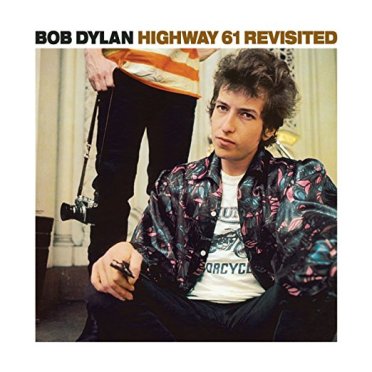
Bob Dylan, Highway 61 Revisited, 1965
Label: Columbia
Producers: Bob Johnston and Tom Wilson
To put it simply, Highway 61 Revisited is one of the most influential and essential records of all time; one of those records and moments in time that served as a defining turning point on many levels. For Bob Dylan himself, it was the pivotal moment where he fully emerged from his folk music past to pursue a new identity as a full-blown rock visionary. For American rock & roll, the album is, for many reasons, often pointed to as the moment where rock music officially began growing and evolving from the previously pop-dominated romances and stylings of the past. And for 60s culture in general, it was a defining moment as well. The entire record, and the hit “Like A Rolling Stone” specifically, managed to capture all the chaotic and ever-changing spirit of 60s America: the race toward the future, while also holding onto the past, all the while burdened by political upheaval and increasing world turmoil. Dylan had prominently tapped into these themes previously, but the marriage of his incisive and ever challenging lyrics with sizzling and blisteringly barbaric rock arrangements unveiled his brilliance to a mass audience far beyond his past folk following. Opening with the triumph and bewilderment of any great, life changing revelation, “Like A Rolling Stone” may just be the definitive rock song of all time. A melting pot of emotions that proved to be perfect for the time, it’s joyous, turbulent and rapturous all the same. The lyrics are classic Dylan: sprawling, ominous and confusing. The vocals are as well: rough, cutting and commanding. It’s the sonic transformation that backdrops all these familiar qualities that sends the song and the entire record that follows into the next stratosphere. The vibrant piano beats contrast beautifully with Al Kooper’s now iconic and rambling organ riffs, which ultimately redefined what a hit record could be. “Stone” became the anthem of the heated summer of 1965, and became Dylan’s biggest radio moment, climbing all the way to No. 2. Although that success would prove to be an anomaly for the artist, it didn’t matter. The song’s profound nature forever etched Dylan’s place as rock royalty, and established a bold vision that would continue throughout this entire game-changing record.
Named for the main thoroughfare that runs from Dylan’s birthplace in Duluth, Minnesota through onto the deep south, Revisited plays like an eye-opening tour of the various musical influences found on that storied route, particularly the blues which quickly replaces folk as Dylan’s musical bedrock. And it does so in glorious fashion. The band assembled here plays every note with red-hot, reckless abandon while providing a startling new glimpse into Dylan’s enigmatic explorations of the human condition.
The rowdy blues-rock jamming of “Tombstone Blues” is rife with the bursting defiance and struggle of characters brought down by hard times and corruption, while the rollicking “From A Buick 6” depicts a captivating romance that lingers with dangerous overtones as another of Kooper’s powerfully unique organ solos seamlessly supports Dylan’s ever-ferocious vocals. The aforementioned title track is your classic Dylan mystery, overflowing with rambling verses that reveal inspiring new details with each listen, while exploring further sonic experimentation by marrying the unusual presence of a blowing whistle with an all-out roadhouse R&B rhythm section.
For all its rowdy amplification, there’s still plenty of the pensive reflection of Dylan’s past records to be found throughout. The curiously titled “It Takes A Lot to Laugh, It Takes A Train to Cry” is an intoxicating blues performance gleaming with a relaxed, sensual breeze. The same can be said for the lilting, passionate quality of tracks like “Queen Jane Approximately” and “Just Like Tom Thumb’s Blues”, though both have plenty of aural conflict to offer as well. Such deep reflection takes an downright spooky and foreboding turn in “Ballad of a Thin Man”, which finds Dylan’s gravely voice surrounded by crashing guitar riffs and a deliciously haunting organ arrangement that will leave the listener cold yet hungry for more. It’s a classic Dylan protest, and often pegged as an anthem for the counter-culture, indicting society and the media’s inability to understand and respect those outside the mainstream. It’s also the dark-horse highlight of the entire album.
Unsurprisingly, the album closes in Dylan’s classically epic fashion with the 11-minute “Desolation Row”, which in a curve-ball throw, leads the artist back to an acoustic setting, albeit with more sonic substance that the sparse nature of his folk classics. The story reads like a parade of character sketches, loaded with hidden references and Dylan’s signature surrealism. The vibrant, Mexicali guitar sound courtesy of Nashville session virtuoso Charlie McCoy proves to be an enlightening highlight, in many ways recalling Marty Robbins’ classic “El Paso”. (McCoy’s involvement and the slight country influences would prove foreshadowing of Dylan’s Music City conquest on follow up records.) The song itself is both a splendid and grim political commentary, and boasts some of Dylan’s most clever lyrical quips. It’s the sterling finale that this album so rightfully deserved.
A classic in so many different ways, Highway 61 Revisited is one of those rare and pivotal albums that belongs in every record collection, whether you’re a Bob Dylan enthusiast or not. The entire landscape of American music would have followed a starkly different path had it never been recorded, and over a half-century later, it continues to reveal new layers of gravity and inspiration that are just as timely and relevant today as they were upon its initial release.
 The 706
Leave a comment