
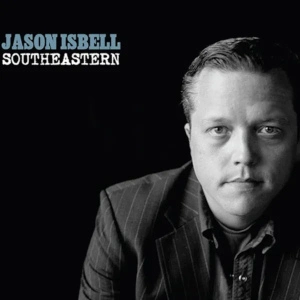
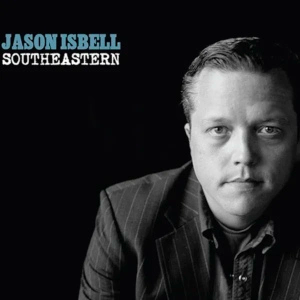
Like so many other listeners, Jason Isbell made a permanent mark on my journey as a music lover with his 2013 landmark album, Southeastern. Prior to that point, he was a buzz-worthy name in my peripheral vision as my rootsy tastes slowly guided my primary listening habits away from mainstream country radio and toward the wide, beautiful world of Americana.
His late friend, Justin Townes Earle was my first true Americana addiction, and their association led me to seek out Isbell’s 2011 breakthrough song, “Alabama Pines”, and its home LP, Here We Rest. I spent the next year or so reaching into Isbell’s back-catalog, including his first two albums, as well as his contributions to the the canon of Southern Rock stalwarts, Drive-By Truckers. It further fueled my anticipation of his next move. And that next move changed everything.
It’s well past cliched to label Southeastern a masterpiece and one of the great singer-songwriter albums of all time. But it was rightfully heralded as such immediately out of the gate upon its release on June 11, 2013. I wish that I could go back to experience it with fresh ears for the first time; that’s how definitive of an experience the album was, and has remained for the past decade. His fourth record, and first without the presence of his band, The 400 Unit, the album served as Isbell’s elegy to his addiction-crippled past. It dramatically elevated both his guttural singing, and particularly his poetically devastating songwriting, into a rarified air only breathed by true musical poets like Dylan, Dolly, Elton, or Kristofferson.
The ten years and the audacious catalog of subsequent albums that have followed have found Isbell emphatically living up to those dramatic proclamations bestowed upon him during the initial wake of Southeastern. Whether performing in a more intimate solo setting or with the rollicking, full-throttle 400 Unit, he has amassed a timeless, era-defining library of songs and recordings that have confirmed him as a truly generational artist. He’s demonstrated the classic, unique ability to simultaneously bare his soul and captivate those of his listeners in a raw and human way that has often seemed lost in the modern worlds of country and rock. In the process, he’s likewise elevated the visibility of the Americana music scene, thus drawing much deserved attention to other fantastic roots-based artists and disciples like Sturgill Simpson, Brandi Carlile, Margo Price, Zach Bryan, Tyler Childers, his wife, Amanda Shires, and many more.
The 21st century has thus far been rich with iconic, once-in-a-lifetime songwriters, from world-conquering pop stars like Taylor Swift, and modern renegades like Kacey Musgraves, to domestic laureates like Lori McKenna, and a long list of others. None rank on a higher shelf for me than Jason Isbell. He will likely prove to be my favorite songwriter for my entire lifetime, and these are my twenty-five favorite moments from his staggering discography.
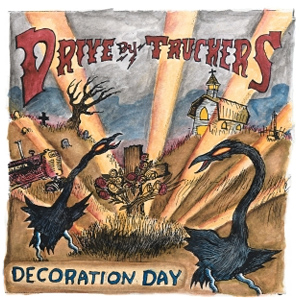
Bonus Track: “Outfit” (2003) (Drive-By Truckers)
Before we dive into the specific catalog of Jason Isbell himself, I’m going to start this list off by breaking my own rules ( hey, it’s my site- I can do what I want!) and spotlight this excellent track from his early days with Drive-By Truckers. “Outfit” had the distinction of being Isbell’s first contribution to the band as a vocalist and lyricist, in addition to being the band’s new guitarist. It immediately boasts so many of the key characteristics that became pillars of his own work: searing guitar licks, gut-punching vocals, and direct, honest language. In this case, those words are culled from formative conversations with his father, framed by the kind of graceful but humble couplets of which he’d soon prove to be a master: “Don’t worry about losing your accent/A Southern man tells better jokes.” He foreshadowed his inevitable breakout success right out of the gate.
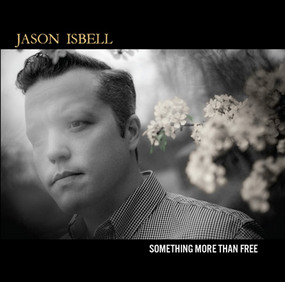
25) “Speed Trap Town” (2015)
The popular music canon is rich with portraits of small-town life, exploring everything from its joyous sense of community, to its crippling and suffocating pitfalls. I don’t think there’s ever been one written with such dark and sobering honesty and devastation as “Speed Trap Town”. It’s a far cry from the wry appreciation of “Outfit”, taking the father-son relationship down a much grimmer path:
“Doctors said daddy wouldn’t make it a year, but the holidays are over and he’s still here/How long can they keep you in the ICU, with veins through the skin like a faded tattoo/He was a tough state trooper til a decade back, when that girl who wasn’t Mama caused his heart attack/He didn’t care about us when he was walking around, just pulling women over in a speed trap town……But it never did occur to me to leave til tonight, when I realized he’ll never be alright/Sign my name and say my last goodbye, then decide/That there’s nothing here that can’t be left behind.”
The bitter combination of mournful loss and liberating release in Isbell’s voice is piercing, and further magnified by the soulful moan of his by-now signature guitar riffs.
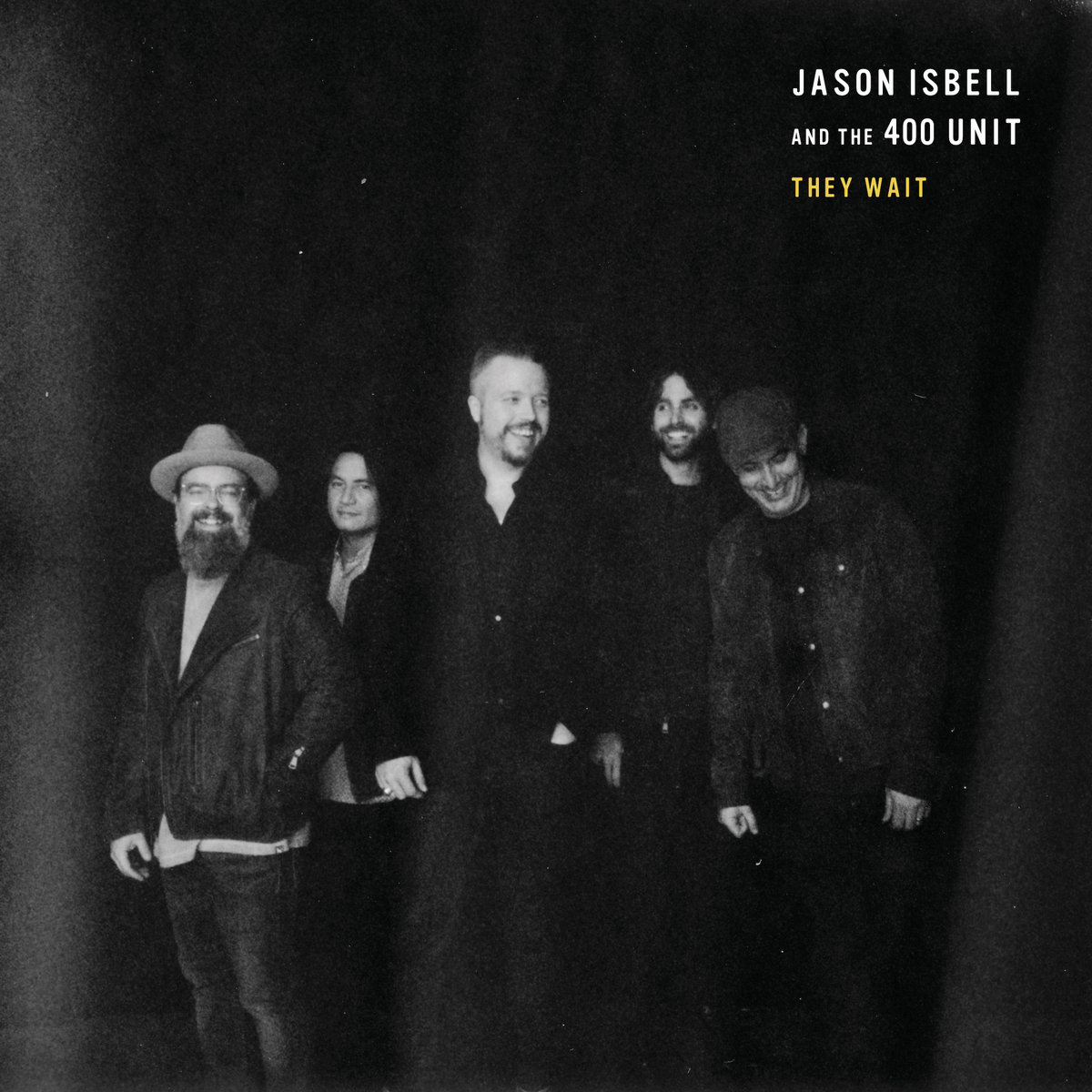
24) “They Wait” (2023)
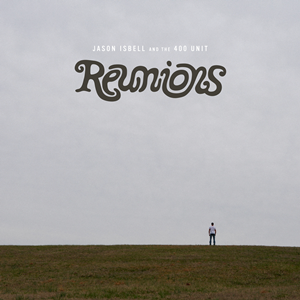
This Reunions outtake from this past spring’s HBO documentary proved to be one of my ultimate summer jams of 2023. Honestly, I listened to this track just as much as I did Weathervanes. It’s a bona fide rock slapper, brimming with exhilarating layers of romance, tension, anticipation, and anxiety. The only thing more ferociously burning than the band’s red-hot playing is Isbell’s own exuberant vocal. How this ever got left on the cutting room floor is beyond me; I’m just glad it finally saw the light of day. Fantastic stuff.

23) “Stockholm” with Kim Richey (2013)
There are very few moments within both Southeastern and Jason Isbell’s catalog in general that could be described as blissfully breezy, but this lilting folksy gem is one of them. Consequently, it provides a bright beacon in a body of work that usually finds life’s beauty in its darkest moments of despair. “Stockholm” however is a pure tale of love and infatuation that Isbell performs with a sweet tenderness that is further enriched by the soothing harmonies of the great and under-appreciated alt-country songstress, Kim Richey.

22) “Codeine” (2011)
Easily his most down-home moment, “Codeine” is a sardonic, fiddle-laced tale that follows a foolish barfly through the slow realization and acceptance that he’s likely hammered the final nail into his current romance. It’s one of those classic country romps that finds both humor and a raw ache in the aftermath of a honky-tonk heartbreak. Isbell captures all of the pathetic charms of this poor sap in a marvelous fashion that perfectly matches the undeniable jaunt of the record:
“If there’s one thing I can’t take, it’s the sound that a woman makes, about five seconds after her heart begins to break….If there’s two things that I hate, it’s having to cook and trying to date/Busting ass all day to play hurry up and wait.”

21) “Save the World” (2023)
Framed by the news of another school shooting reported on the local news, “Save the World” is perhaps the most harrowing piece of songwriting that Jason Isbell’s delivered to date. He masterfully eschews the politics of gun violence and simply emotes the stark and all-too-real fears of a parent having to raise a child in today’s frightening and complicated world:
“Balloon popping at the grocery store, my heart jumping in my chest/I look around to find the exit door, which way out of here’s the best/The kid’s looking for the candy aisle, school’s starting in a week/Lady says, “You have a lovely child”, I’m too terrified to speak”.
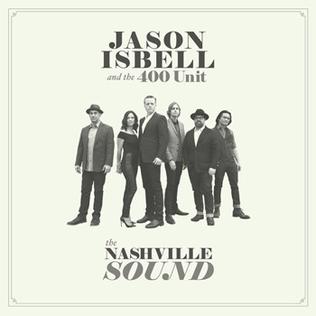
20) “Chaos and Clothes” (2017)
An expertly crafted and utterly creative break-up tune “Chaos and Clothes” is one of Isbell’s most uniquely quirky moments on record. With a chillingly layered vocal affect and brilliantly intimate and profound observations, he pivots between the physical reminders that a departed lover leaves behind and the painfully bitter truth that she was right in predicting his own squandering of life’s potential:
“Lovers leave chaos and clothes, in quiet corners where you rarely ever go/One day you find proof that she was real, despite your struggle to forget, oh yes….Did she leave a trail of crumbs, so you could find her when you’re what you could become/Or did she know you well enough to realize that garden just won’t grow, oh no.
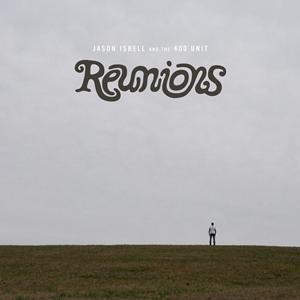
19) “It Gets Easier” (2020)
As potent and poetic as any addiction anthem you could imagine. “It Gets Easier” is truly most affective for the fact that it marries the undeniable triumph of surviving one’s demons with the painfully intelligent truth that doing so is an ongoing battle. It only really only ceases when life itself does. We often foolishly prescribe to the belief that life’s challenges (be it addiction, depression, or any demons of the sort) magically disappear when we move past a specific hurdle. However, this perseverance is in all actuality an art we must consistently work at persevere through the ebbs and flows of life’s many stages. It’s a complicated but ultimately beautiful life truth, and the soaring nature of Isbell’s performance captures it remarkably.
18) “Live Oak” (2013)
This gripping murder ballad, sung from the perspective of the culprit himself, has the essence of a classic folk tale or country song from a bygone golden era, the kind with a cryptic legacy only growing through the generations. “Live Oak” is indeed worthy of such exalted status, and is certainly already on its way to that legendary, lofty regard with only one decade of history under its belt. The frank, unbridled nature with which Isbell spins this narration is nothing short of haunting. For a moment, you forget it’s one of the rare, non-biographical tunes in his arsenal, or at least we assume as much…
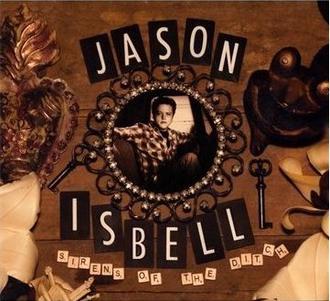
17) “Dress Blues” (2007)
One of his very first classics, “Dress Blues” is an astounding war-time ballad for the modern era, with a second verse that proved to be a truly revelatory premonition of the lyrical greatness he would continue to achieve in the years ahead:
“Your wife said this all would be funny, when you got back home in a week/Turn twenty-two and we’d celebrate you, in a bar or a tent by the creek/Your baby would just about be here, and your very last tour would be up/But you won’t be back, they’re all dressin’ in black, drinkin’ sweet tea in styrofoam cups.”
It’s interesting to listen back to this cut, and his first album in general, with the frame of reference provided by sixteen years of vocal growth. His vocal prowess has matured and blossomed considerably since 2007; it’d be a wondrous occasion to ear him re-record it today. With that said, Zac Brown Band’s 2015 reading of the song currently stands as the most stirring version, and it’s a shame that the band didn’t release it as a single while they were still in the automatic-add club at country radio. It stands as a missed opportunity to become one of the 21st century’s defining songs in the mainstream realm. With that in mind, I’d love to see Morgan Wallen pull a Taylor Swift and dip back to 2019 by releasing his version of “Cover Me Up” as a proper single and righting that wrong.
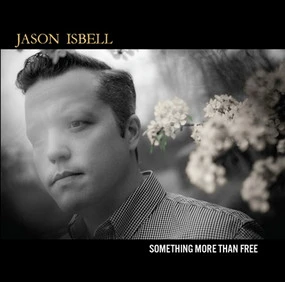
16) “Something More Than Free” (2015)
The title track to 2015’s excellent follow-up to the Southeastern era is an astute working-class anthem for the 21st century. It’s not in the least bit blasphemous to speculate that this is what Merle Haggard or Bruce Springsteen’s classic brands of blue-collar greatness would have sounded like had they risen to prominence in the new millennium. “Something More Than Free” is brimming with heartfelt pride, humility, and bittersweet gratitude.
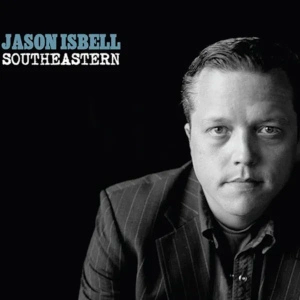
15) “Traveling Alone” (2013)
A soulfully raw and spell-binding chronicle of the loneliest of existences and the desperate need for love and companionship. It peers deep inside the darkest corners of life and in doing so, manages to exhibit the beauty and fulfillment life can offer when you share it with someone. The fact that he accomplishes this through sheer longing and without the aid of a happy resolution at song’s end makes it all the more resonant. “Traveling Alone” is stark and straight-forward, void of any inkling of sentiment, drama or romanticizing. And that’s precisely why it’s so utterly beautiful.
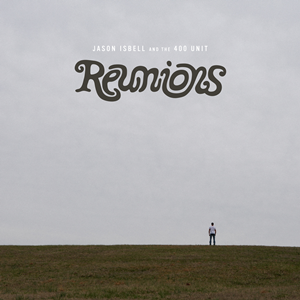
14) “Be Afraid” (2020)
At its core, “Be Afraid” is a raucous encouragement for one to rise above their fears and doubts. However, it’s framed with such an ominous sense of anxious tension that it can’t help but feel like its own dangerous trap. That tone proved to be entirely fitting for the time, with it launching just as the COVID-19 pandemic brought society as we knew it to an emphatic halt. The pure energy of the performance, combined with that sustained sense of mystery and danger, has made it one of the most enduring outings Isbell and the 400 Unit have ever assembled.
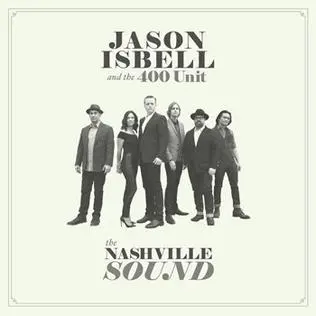
13) “Tupelo” (2017)
There’s always been such a lazy, humid haze to this track that I’ve found undeniably hypnotizing. The rugged yet soaring euphoria that he delivers on the chorus as he laments both the pull of his hometown and the people that occupy it is equally infectious. Meanwhile, the lush and gorgeous qualities with which the 400 Unit color Isbell’s performance almost feels dastardly pristine. After all, one can’t help but feel the sneaking sense of just how doomed the narrator’s plan to escape ultimately is, which makes the beauty of the song all the more stinging.
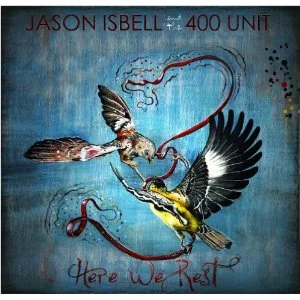
12) “Alabama Pines” (2011)
“Alabama Pines” proved to be Jason Isbell’s pivotal breakthrough song, and rightfully so. It’s a gorgeously crafted record, rich with his signature lyrical imagery and a fully-formed vocal weapon that has officially caught up to the emotional power of his writing. The song is littered with fantastic lyrical couplets, several of which still rank among his best ever, specifically: “Hardly even know my name anymore, when no one calls it out, it kinda vanishes away.” and “The AC hasn’t worked in twenty years, probably never made a single person cold/But I can’t say the same for me, I’ve done it many times.” The musicianship is equally exquisite, and this track remains one of Isbell’s most beautiful moments on record with Amanda Shires and her luminous fiddle work.
11) “Elephant” (2013)
In Brad Paisley’s choppy but well-intentioned 2010 single, “This Is Country Music”, the superstar celebrated the genre for tackling tough subject matter that other formats wouldn’t dare touch, with cancer being chief among them. There’s no way anyone on Music Row could have fathomed a song tackling the illness in quite the fashion that “Elephant” does. You can almost picture Isbell hearing the Paisley track and replying with “Watch this.” In all seriousness, this is as nakedly sparse and brutally adult as songwriting can get. It’s the depiction of two tortured souls trying to ignore the implications that one’s potential mortality has on every aspect of their existence and the relationships with those they stand to leave behind.

10) “Yvette” (2013)
I’m fairly certain I had to lift my jaw up off the ground after hearing “Yvette” for the first time. This was a common occurrence upon hearing Southeastern, which up to this point on the list has already supplied game-changing tracks about homicide and cancer. Here, Jason Isbell delivers the most cutting portrait of child abuse we may ever hear. Each intimate lyric and verse unravels an unnerving story of parental betrayal. He saves both the most heartbreaking–and admittedly satisfying–revelations for the final verse, when the narrator adds Yvette’s abusive father to the Southeastern body count.

9) “Cast Iron Skillet” (2023)
This ever-prominent single from the 400 Unit’s most recent album is a tender showcase for the most uniquely intimate and nuanced graces of Jason Isbell’s songwriting. It’s one of the more lyrically mysterious and expansively rambling works in his catalog, a realm that every great songwriter acquires over time. For me, it feels like a wise rumination of various lessons learned through a life well-lived, and a collection of stories that surely have far deeper meanings lying within them. It’s incredibly resonant and powerfully bittersweet.
8) “Dreamsicle” (2020)
A vividly powerful story sung from the perspective of a young boy whose childhood is tattered by frequent moves and constantly starting over in new towns. He seeks comfort in the nostalgic images beautifully stitched into the choruses. These pieces of imagery likewise serve as universal sources of comfort and escape to adults hearing the song and left longing for the simple moments of their own childhood. And you can’t help but suspect that, despite all the turmoil that seemingly surrounded him, the narrator himself must also find new appreciation in the experiences of his youth through those timeless symbols of happiness, regardless of how fleetingly idyllic and rose-colored they may be in retrospect.

7) “When We Were Close” (2023)
Widely believed to be written about his late comrade, the aforementioned Justin Townes Earle, “When We Were Close” is not a straight-forward tribute to a lost friend. Rather, it’s a captivating and complicated reckoning with his loss. Throughout the track, he both regrets apologies left unsaid and contemplates the impact his friend’s death will have on his young daughter. Most harrowing however is his struggle to reconcile why he was able to overcome his demons while Earle himself wasn’t. The 400 Unit rocks immensely hard here, delivering the kind of searing musical burn that mirrors the grief and confusion expressed in the lyrics.
6) “24 Frames” (2015)
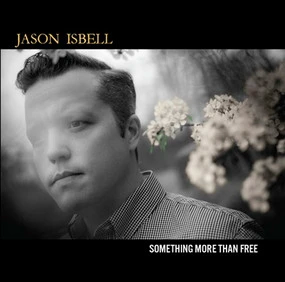
As the summer of 2015 dawned, the anticipation was high for Jason Isbell’s forthcoming follow-up to Southeastern, and the pressure had to be insurmountable for the artist to follow up the watershed moment that its predecessor proved to be. One listen to “24 Frames”, the first release from Something More Than Free, and I felt more than assured that the greatness of 2013 was not merely lightning in a bottle. “Frames” was a confident and steady step forward. It did not attempt to boldly deviate or double down on the tone of Southeastern; it merely found Isbell continuing to do what he did best: deliver honest, soul-stirring reflections on the human experience. There’s a gorgeously mythical aura surrounding the song’s lyrical message, but at its core, it’s very clear that this is a cautionary tale to cherish and give attention to the small, intimate moments that make life worth living. “You thought God was an architect, now you know, he’s something like a pipe-bomb ready to blow”. If that singular line isn’t enough to make you step back and reflect upon your whole perspective on life, I’m not sure what will. Generation-defining songwriting right here.
5) “Flagship” (2015)
Somewhat of a hidden gem in the canon, “Flagship” remains one of my favorite love songs, and one of the most significant in my own life story. Sung from the perspective of a younger couple observing the magic missing in everything from aging couples to tired buildings, they resolve to never lose that special connection in their own relationship. I first heard this track as I was embarking on my relationship with the man who would eventually become my husband, still fully swept up in the honeymoon phase of an early romance. Eight years later, it’s meaningful, nostalgic, and rewardingly eye-opening to hear with those early days now long since past.
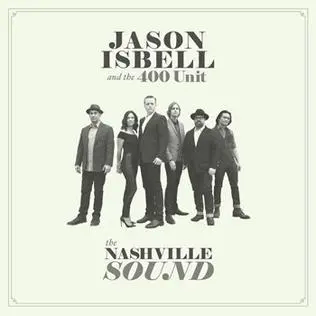
4) “If We Were Vampires” (2017)
The theme of love and devotion continues in this next entry, and throws in the subject of mortality for good measure. In another testament to the poetic excellence of his lyrical gift, Isbell doesn’t use “If We Were Vampires” as some predictable lamentation about the sadness that comes from life having an expiration date, and thus denying us eternal time with the love of our lives. Rather, he uses the finite nature of life and its lack of guaranteed time as the magic ingredient that makes our relationships so special in the first place:
“If we were vampires, and death was a joke/We’d go out on the sidewalk and smoke/And laugh at all the lovers and their plans/I wouldn’t feel the need to hold your hand…It’s knowing that this can’t go on forever/Likely one of us will have to spend some time alone/Maybe we’ll get forty years together/But one day, I’ll be gone and one day, you’ll be gone.”
It’s one of the most beautiful and gut-wrenching love songs ever written, and further elevated by the combination of Isbell’s soft, restrained delivery and Amanda Shires’ sweet and supple harmonies.

3) “Cover Me Up” (2013)
The grand opening track to Southeastern has unequivocally been declared as the cornerstone of Jason Isbell’s recording catalog, and with good reason. Unearthed from the deepest depths of his journey to sobriety, the rapturous ballad served as both a elegy to his addictive lifestyle, and a tribute to the unconditional love and strength he pulled from wife Amanda Shires to reach the other side. The heights that Isbell reaches with his voice throughout this performance has easily staked its claim as some of the most powerful moments in all of 21st century music:
“I sobered up, and I swore off that stuff, forever this time/And the old lovers sing “I’d thought it’d be me who helped him get home./But home was a dream, one I’d never seen, till you came along.”
It’s the cacophonic sounds of a man reaching the destination of a long, arduous journey and experiencing the liberation, love, and spiritual rebirth that was waiting for him at the end.
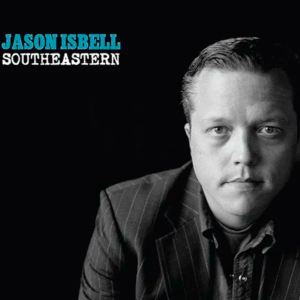
2) “Flying Over Water” (2013)
When it all comes down to it, I love Jason Isbell as much for his electricity as the leader of a flat-out rock & roll band as I do for his masterclass talent as a modern day folk poet or country music storyteller. “Flying Over Water” is one of the rare, pure rock moments on his solo records, successfully paring his 400 Unit sound with elegantly stripped showcases of songwriting mastery. This song is such a durably exhilarating and entertaining adrenaline rush; I never tire of hearing it and it never fails to energize my soul. It’s such an intelligently layered piece of art. There’s the subtle social commentaries as the narrator takes in the view of our supposedly sophisticated society from high above (“Daddy’s little empire built by hands and built by slaves.”) There’s the dry comedic nuggets used to illustrate his lover’s anxiety of flying (“Wheres that liquor cart?”). And then there’s the simple but grand gesture of love and support as he proclaims, “Take my hand, baby we’re over land”, followed by the tender moment of contemplative doubt, “Did we leave our love behind?” A perfect record in every damn way.

1) “Relatively Easy” (2013)
In the weeks following Southeastern’s initial release, when I wasn’t playing the entire record from front-to-back, I was just busy playing this touching tune aggressively on repeat. It’s an underrated gem in his lexicon at this point, but it still manages to touch me in a unique way that very few songs are capable of. It’s such an eloquently written observation of everyday life and the humble tragedies that serve as crucial sources of perspective. It’s equally understated and powerful. My voice cracks with sadness as I attempt to sing along while Isbell grapples with the loss of a friend who succumbed to addiction, reflecting upon happier times when life’s potential seemed limitless. I can’t help but grin as he envies a neighbor walking to work, seemingly thriving in his solitary but rewarding existence. We get so caught up in the trivial problems of our daily lives that we lose sight of the fact that we’re living a life that others are killing themselves to achieve. Jason Isbell captures all of these truths with a humble, poignant grace that never once sounds pretentious or self-righteous. It’s a grounding moment for the listener, and an astoundingly transformative one as well. And it’s just another day inside the lyrical genius of one of the definitive artists of both this generation, and any to come before or after as well.
 The 706
Leave a comment