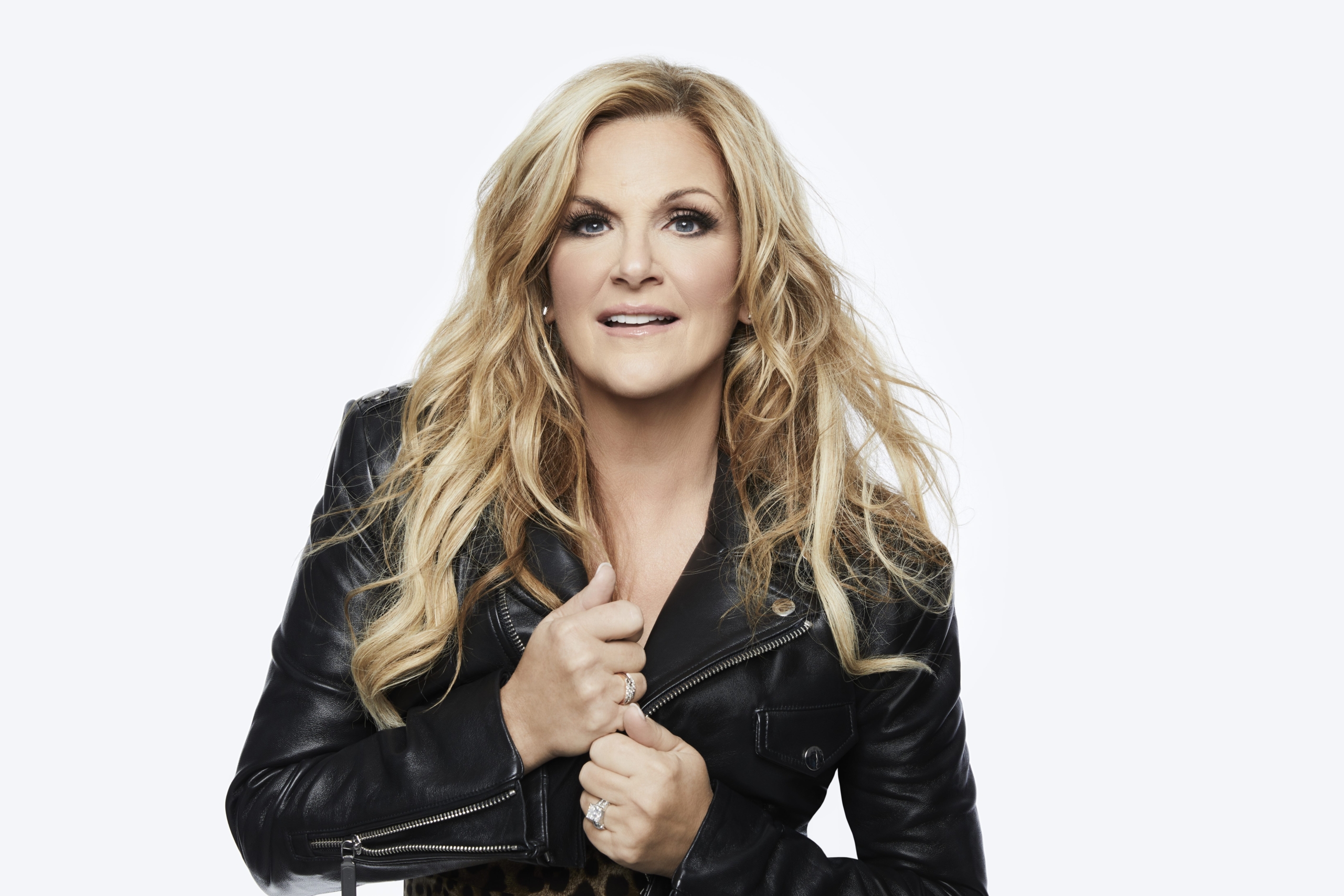
With a stunningly powerful range, both vocally and artistically, Trisha Yearwood has been setting the gold standard for female artists in contemporary country music and beyond for over three decades now. Since launching her career in the spring of 1991, Yearwood has amazed fans and critics with her eloquent body of work, combining a passionate and graceful vocal prowess, which recalls legends like Patsy Cline, Aretha Franklin, and Connie Smith, with a strong ear for material and the same rich, narrative skills of icons and beloved influences like Emmylou Harris, Linda Ronstadt, Rosanne Cash, and Reba McEntire.
Equally as impressive as her voice itself is Yearwood’s ability to control it, recognizing the importance of subtle nuance, and saving glory notes for only the most crucial moments in a song. Much like those towering influences before her, Yearwood has established herself as one of her generation’s most consistent artistic visionaries, in addition to one of its most reliable performers. In a format where most singers’ careers are defined by their biggest singles, she has proven herself as a rewarding albums artist, with each of her records forming a cohesive, intricate body of songs, and the majority of them ranking as modern country masterpieces.
Throughout the 90s, Yearwood managed to strike a unique balance between the daringly moody tone of her work with plenty of commercial success. She became one of the decade’s most lucrative female acts without ever sacrificing her artistic integrity, earning a slew of platinum records, twenty-plus top twenty singles (including five No. 1 singles) and back to back wins as the CMA Female Vocalist of the Year in 1997 and 1998. That standard of excellence continued well into the next two decades, long after her chart prominence had unfairly faded. Although she records less frequently today, when she does, she remains one of the most reliable recording artists in any corner of the industry.
As my all-time favorite female vocalist and one of my favorite overall artists of all time, it was obviously extremely difficult compiling this exclusive list, and almost painful each time I eliminated a particular song to narrow it down to twenty-five. Such a statement speaks to the enormous respect I have for her recorded work and her talents as a vocalist. The variety of the collection below is also indicative of the early reference to her impact as an album-oriented artist in a singles-drive climate; more than half of my list is comprises lower-charting singles or album cuts.
Warm, wise and comforting, Trisha Yearwood’s voice is like that of your closest friend. It’s a fitting comparison given that her singing channels a listener’s deepest emotions, conjuring thoughts and unveiling scars that you only share with the most trusted of confidants. She’s a rare and special talent in every sense of the word, and these are my twenty-five (or so) favorite songs from her catalog.
**But, before we dive into the formal countdown, here are two “bonus tracks” from some of the side-projects in her storied catalog. Because well, twenty-five Trisha tracks just ain’t enough!

Bonus Track: “Witchcraft” (2018)
Spawned from the powerhouse singer’s gorgeous homage to Frank Sinatra, and the American Songbook as a whole, Yearwood’s rendition of this ultimate jazz standard is nothing short of spell-binding. It’s another testament to her flawless and reverent magic as an interpretive singer.

Bonus Track: “Take A Walk Through Bethlehem” (1994)
Her 1994 Christmas release, The Sweetest Gift, was a seasonal staple in my childhood home from the year it was released, and it’s a tradition that I proudly carry on thirty years later. It’s woven into the fabric of my holiday season. The entire record is excellent, but “Bethlehem” still stops me in my tracks in a way that the others just can’t match. It need not matter what your spiritual faith may be, nor do you even need any, to be moved by the graceful power of this landmark performance.

25) “Find A Way” (2019)
A surging slice of pop-soul goodness, this dark-horse selection from her most recent album is an undeniable beam of positive energy and joy. “Find A Way” once again reminds us, that when the mood strikes her just right, Yearwood can bop as well as she can ballad.
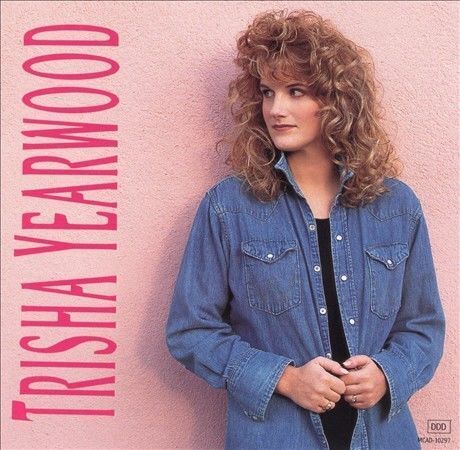
24) “She’s In Love with the Boy” (1991)
Undoubtedly Yearwood’s most enduring hit, this storytelling epic which began her musical legacy remains a classic country radio staple today. The bouncy melody and charming fiddle-laced arrangements haven’t aged a bit in the past three decades, and her vocal is brimming with the steadfast devotion and optimism of the young romance which gives the story its foundation. Even today, you’ll still hang on every lyric of the final verse where Katie’s parents debate the validity of their daughter’s relationship. This runaway hit instantly solidified a young Yearwood as a remarkable country storyteller.
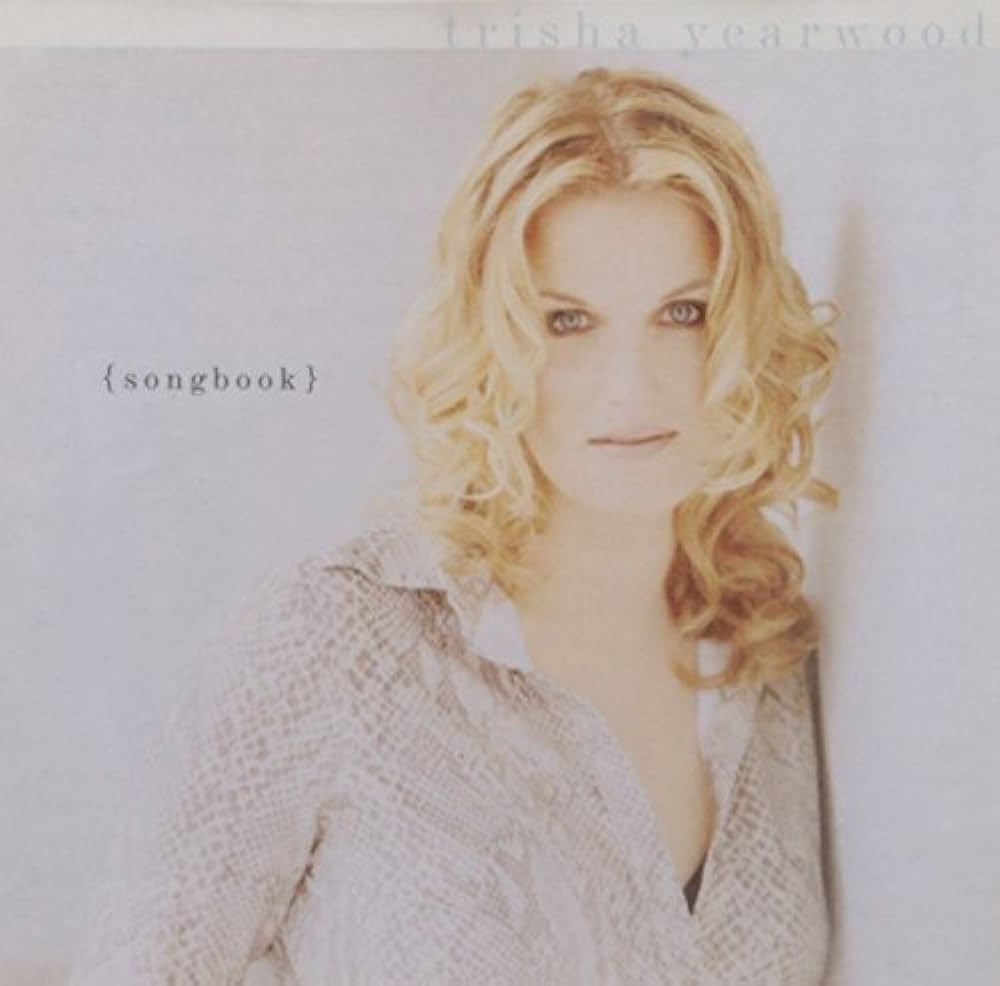
23) “In Another’s Eyes” with Garth Brooks (1997)
The apex of their union on record, at least until we inevitably get that long-delayed proper duets record. It remains one of the most dramatically captivating cheating songs in the modern country canon. The way their voices peak in that final bridge remains particularly saucy, for the fact that they were still both in their previous marriages at the time, and would ultimately marry each other eight years later.

22) “I’m Still Alive” (2000)
This charming little nugget that’s tucked away on the album that Yearwood herself proclaimed as her bona-fide “Ronstadt record” is a contagiously inspired survivor’s anthem. The organic mix of acoustic and steel instrumentation is arranged to perfection, while the subtle but ever-cunning wit with which she delivers the lyrical payoff is one of her most overlooked gifts as a singer.
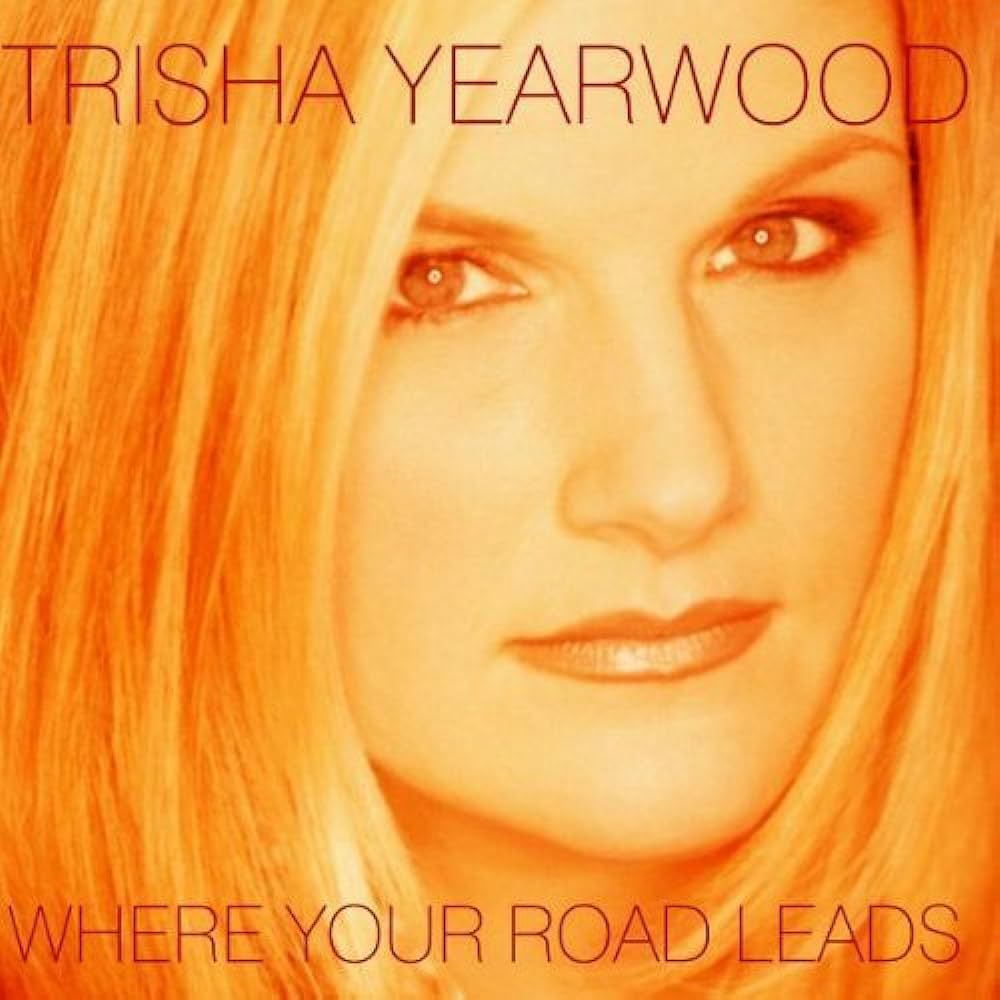
21) “There Goes My Baby” (1998)
This smash was soaring the country charts in the midst of Trisha’s clean (and long-overdue) sweep of all the industry vocalist award competitions, and it was emphatic validation of those victories, not that one was needed. A perfectly slick and stylish outing that brought torchy country-soul into the nineties, while still retaining a healthy dose of sixties-kissed varnish and magic. One of her very best radio showcases, from what remains her most (and truly only) misunderstood LPs. It’s certainly the runaway high-point of Where Your Road Leads, but that album has plenty more to offer as well. Don’t allow the bevy of skepticism surrounding it to cause you to sleep on it.
20) “Sad Eyes” (2000)
The idea of pairing Trisha Yearwood’s voice with a Bruce Springsteen song may initially seem ill-fitting on paper. But to prescribe to that notion would be to vastly undercut the depth of Springsteen’s catalog as a songwriter, not to mention the vessel that Yearwood’s voice proves to be for the words of almost any scribe. She digs deep into the Boss’ well here to pluck this soulful gem from his 1998 Tracks box-set, and the results are beautifully devastating. Move aside, Enrique Iglesias, Ms. Yearwood has us covered here.

19) “Everybody Knows” (1996)
One of Yearwood’s most infectious and more durable radio ditties, this top five smash served as a convincing reminder that the woman revered for her deep balladry also had a gift for snark and sass. Written by the great Matraca Berg, whose lyrical goldmine has served Yearwood well throughout her entire career, it finds a young woman at her wit’s end with all the relentless advice she’s received since her recent break up. Her twangy growl roars with sardonic spunk on the song’s bridge, once again proving that the vocal climax on a Yearwood record is always powerfully potent, be it an up-tempo anthem or a mournful ballad. Pass the chocolate and magazine, please.

18) “The Matador” (2019)
This fantastic swerve from 2019’s Every Girl is one of the most intriguing cuts she’s ever given us. It likewise served as a glorious return of Mexican flavors to the realm of contemporary country, and they sound positively sublime residing next to this timeless voice. It’s an atmospheric wonder, and a thrilling take on the classic tale of doomed romance between a reckless man and a devoted woman.

17) “Georgia Rain” (2005)
A tremendous comeback song, “Georgia Rain” brought Yearwood back to the country scene after a three-year absence and reunited her with long time producer Garth Fundis. Fourteen years after “She’s In Love With the Boy”, it returned her to the same storytelling realm of that hit, only with a more mature, adult perspective. A woman returns to her childhood home after many years away and naturally finds herself reflecting on her youth, specifically her first love. Her encounter with that old flame in the third verse leads to the song’s most understated yet moving moment: “You fixed your daddy’s house up nice/I saw it yesterday when I drove by/Looks like you’ve made yourself a real good life/What else can I say?….The Georgia Rain on the Jasper County clay/ Couldn’t wash away the way I love you to this day.” A gorgeous performance, tinged with bittersweet recollection and the harsh reality that the sweet love she sang about in her first hit doesn’t always last.

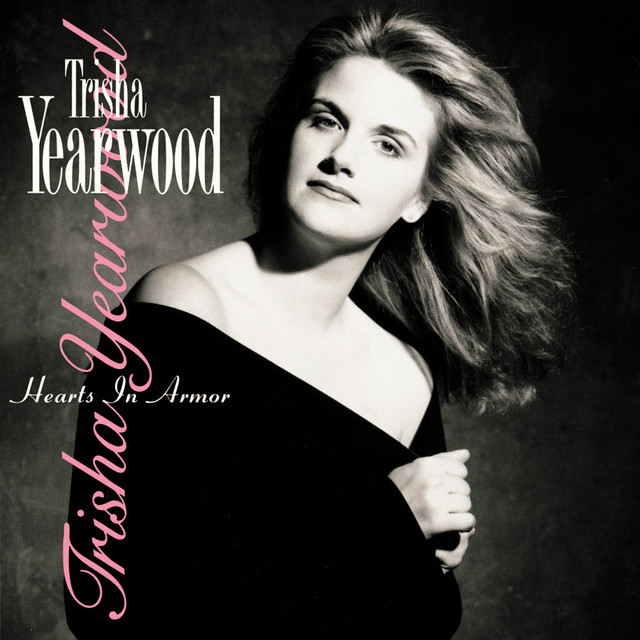
16) “Hearts In Armor” with Don Henley (1992)
This swelling and devastatingly poetic ballad served as the title track to Yearwood’s sophomore release, still widely considered the most striking artistic statement of her career, especially considering its close proximity to the end of her first divorce. The woman in this song has the opportunity to rediscover happiness with a new lover, but her heart is still too deeply damaged from a previous relationship to pursue it: “One more day my heart’s in armor/Though I meant to let you in/In an effort not to harm it/I have missed my chance again.” The beautiful viola solo at song’s end weeps as if to mourn both this woman’s previous heartache, and the new one that will result from her stubborn inability to love again.

15) “Heaven, Heartache and the Power of Love” (2007)
Trisha’s penchant for country balladry is most certainly the core of her musical legacy, a fact clearly illustrated by this list which only offers a mere handful of up-tempo cuts. That’s not to say the singer can not effectively tackle high-octane material. This title track from her sole studio offering with Big Machine Records is one of her most deliciously blistering moments on record, and proved that she was still a capable hit-maker after a decade and a half on the charts. She’s rarely sounded this energetic and hair-raising simultaneously. It’s a thrilling, fire-breathing piece of honky tonk paradise.

14) “Nothin’ ‘Bout Memphis” (2007)
A sweltering tour-de-force of modern country-soul, “Nothin'” finds the narrator being whisked away to the bluesy metropolis by her new beau, while still hiding the fact that the same city was a definitive locale for her and the former flame that still owns her heart. Her peerless nuance as a vocalist and storyteller are in all their glory here, allowing her to deliver some of the most conflicted and equally seductive turns-of-phrase of her entire catalog: “And I know it would hurt him, if he could see my past/He thinks he’s the only one who’s touched me like that.”
Enjoying our content? Follow us on Facebook and subscribe by clicking below!
13) “On A Bus to St. Cloud” (1996)
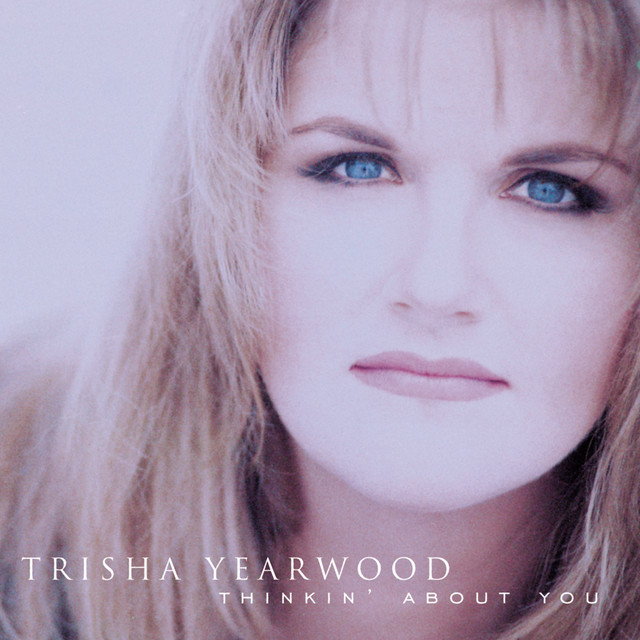
From the pen of the great Gretchen Peters, who had recently provided Martina McBride’s breakthrough “Independence Day”, this is one of Yearwood’s most criminally overlooked singles. Even with the wide-open mindset of country radio at the time, it failed to crack the top forty. Nevertheless, it helped retain her reputation as a deep, introspective artist after taking a more straight-forward, polished detour on the bulk of 1995’s Thinkin’ About You album. Beautifully portraying the deep changes one undergoes after the passing of a loved one, she delivers one of her finest interpretive moments to date, particularly on the song’s bridge: “And you chase me like a shadow/And you haunt me like a ghost/And I hate you so/And I love you so/And I miss you most.”

12) “Wrong Side of Memphis” (1992)
Another great Matraca Berg tune, and the lead single from Hearts In Armor, this provided Yearwood with an eerie, swampy sonic detour which suited her big voice hauntingly well. There’s a dark mystery lingering in this tale of a young, determined woman setting her sights on Nashville with dreams of country stardom. When Yearwood sings, “I’ve had this dream since a tender age/Callin’ my name from the Opry stage.”, there’s more than just the wide-eyed wonder that usually accompanies such a story. There’s a sense of ache and desperation as well, and it makes it all the more compelling. Wrapped up in a tremendously twangy package that peaks with an unrelenting fiddle solo, this cut sounds just as fresh today as it did then.

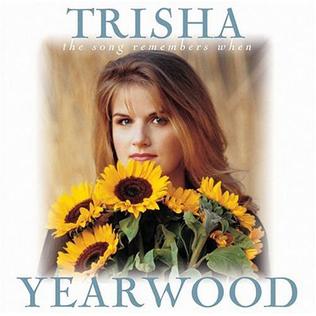
11) “The Song Remembers When” (1993)
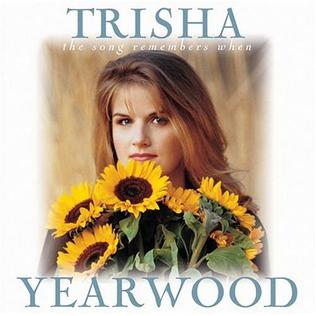
This No. 2 hit remains one of Yearwood’s most beloved performances, and for good reason. Another superb marriage between a great singer and a great lyric, Hugh Prestwood’s eye-opening lyrical imagery is impressive all on its own. But it reaches ultimate levels of grace and power in the hands of Yearwood. A moving testimonial about the power of music, it follows a lover who is certain that she has escaped the memory of her old beau, that is until that familiar song plays and all those memories come flooding back. We could use a lot more songs like this in today’s music scene; a shining and timeless gem.
10) “Woman Walk the Line” with Emmylou Harris (1992)
An overlooked diamond in the vast catalog of Emmylou Harris, Yearwood plucked this mournful tune from Harris’ autobiographical concept album, 1985’s The Ballad of Sally Rose. The traditional and grassy arrangements, combined with the pure harmonies of Yearwood and her mentor’s voices, recall the latter’s legendary Trio projects with Linda Ronstadt and Dolly Parton. It didn’t take long for Yearwood to suggest that she was worthy of such elite company. The song itself is one the loneliest female perspectives one can think of in the country songbook. Men sing about drowning their sorrows all the time, but this is a rare and refreshing moment where we see a woman display equally gritty vulnerability:
“I just need a place to miss my baby/When he goes out to do me wrong….Tonight I wanna do some drinkin’/I came to listen to the band/Yes I’m as good as what you’re thinkin’/But I don’t wanna hold your hand/And I know I’m lookin’ lonely/But there’s nothin’ here I wanna find/It’s just the way of a woman/When she goes out to walk the line.”
9) “Melancholy Blue” (2001)
Once again, the singer completely engulfs herself in the character of a song, this time a mournful widow who can’t bear to face her future alone. It beautifully captures the numb ache we feel in the aftermath after losing someone to death. We wander aimlessly, struggling to find peace and purpose. But every experience we encounter, even the happy ones, bring us back to the harsh reality that our life has been dealt a void that will never be filled. Of course, life goes on somehow. But in that initial stage of grief, that kind of recovery seems painfully impossible.
8) “I Don’t Fall In Love So Easy” with Rodney Crowell (1993)
This is one of her most subtly rich performances. Her gorgeous and impassioned vocal is paired with the harmonies of the great Rodney Crowell, who also wrote the masterful lyrics, and its topped off with a wonderfully moody and alluring melody. The guitar work is worth the price of admission alone, but of course you get much more. Much like “Hearts In Armor”, we’re given the glimpse of a woman whose past experiences make her averse to giving love a second chance. That stubborn stance is put to the test here, but even as she starts to fall for this new man, there’s a devastating stain that can’t be shaken: “I don’t fall in love so easy/I don’t even know where to start/I don’t fall in love so easy/I don’t understand my own heart.”
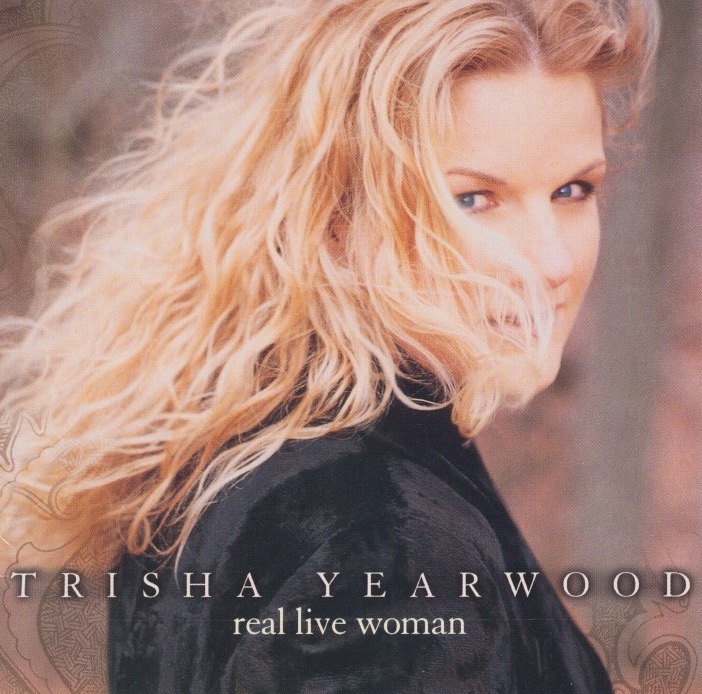
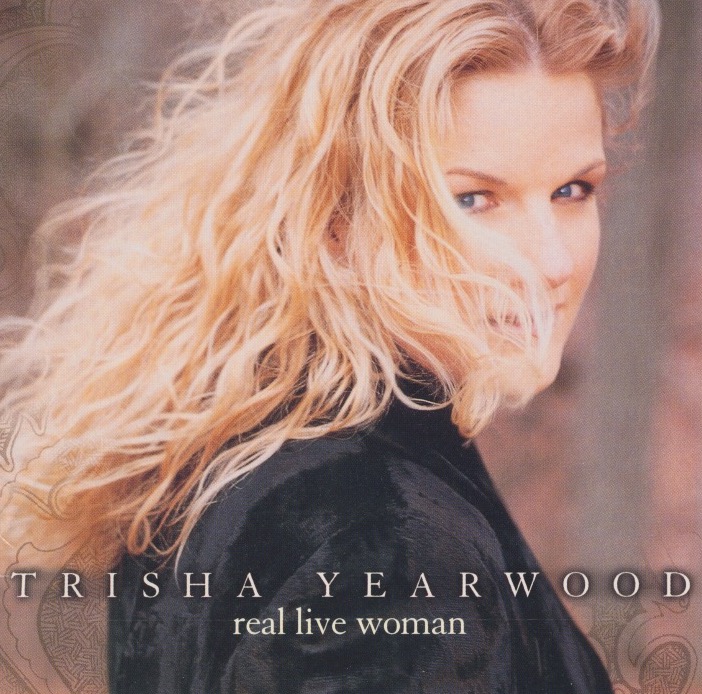
7) “Real Live Woman” (2000)
Culled from the pen of Bobbie Cryner, this is one of Yearwood’s boldest social statements. With society’s standards for feminine beauty reaching new and superficial lows at the dawn of the millennium, this stunning and intelligent power ballad proudly proclaimed that there was much more to a woman than her size, age, or level of fame. There’s never been any doubting Yearwood’s beauty, and the fact that she was so proud and confident about not meeting pop culture’s shallow prerequisites for what is beautiful only made her that much more so. Not to mention it’s a damn great vocal performance. But that sort of goes without saying at this point, doesn’t it?
6) “Walkaway Joe” with Don Henley (1992)
Like “She’s In Love With the Boy”, “Walkaway Joe” proved to be one of the most enduring country story songs of the 90s. It united Yearwood and The Eagles’ legendary vocalist for the first time on record, revealing a rewarding harmonic blend that only added to the timeless quality of this tune. It’d be easy to get lost separately in either the tremendous harmonies of the record, or the enthralling lyrical storyline. When you combine the two, you’re left with pure country magic. The final verse is heart wrenching and further pronounced Yearwood as a master in country heartbreak: “Somewhere in a roadside motel room/Alone in the silence she wakes up too soon/And reaches for his arm/But she’ll just keep reachin’ on….”

5) “Dreaming Fields” (2007)
One of the stunning cornerstones of her final album of the 2000s, it was also another remarkable selection from the pen of Matraca Berg. It’s a true testament to Yearwood’s talent that she can make a song sound almost cinematic and evoke such vivid images with just her powerful pipes, accompanied here only by sparse piano and a few orchestral flourishes. “Dreaming Fields” is the somber portrait of a family farm’s demise to urbanization, told from the perspective of a nostalgic granddaughter. She’s not just mourning her childhood here, or a way of life. She’s mourning the spirit and identity of her family, which is so closely tied to this one place that it nearly vanishes with it. My words can do no justice to the emotional heights she uncovers in her voice on this record. You simply must hear it to believe it. (Side Notes: it also works rather well as an unconfirmed sequel to Berg’s classic Deana Carter hit, “Strawberry Wine”, and Berg’s own album of the same name is essential listening in its own right.)
4) “This Is Me You’re Talking To” (2007)
The final great hit of her initial radio run. A tender story about two old flames who encounter each other on the street, this performance is a glowing example of the graceful control she has of her own voice. Her performance starts out pure and subtle, expertly interpreting the pleasant yet guarded tone of the conversation taking place between the man and the woman in the song. By the final chorus, her delivery has slowly built to a bold crescendo, which unveils all the bittersweet sadness and regret lingering in this woman’s heart. It’s a tasteful and effective way to tell a musical story. For her many contemporaries who are so easily inclined to belt out a note for the sole reason that they can, please take note. This is moving balladry done the right way.
3) “I Don’t Paint Myself Into Corners” (2002)
“Corners” was another brilliant yet grossly overlooked 2000’s single from Yearwood. It’s also another vocal performance that also builds seamlessly throughout the song, beginning with a solemn, restrained whisper before beautifully combusting into a gripping showcase. Written by Rebecca Lynn Howard, it’s one of the finest lyrical works of the decade, with each and every word serving a concise purpose in illustrating this woman’s slow journey from crippling heartbreak to renewed strength and independence. (Howard’s own performance on her 2000 debut album is also worth seeking out.) With the support of a hardcore country arrangement, highlighted by unforgiving steel, Yearwood turns in a defiant performance with a tantalizing sense of bitterness lying underneath.
2) “The Nightingale” (1993)
This dramatic performance is one of the first Yearwood records I can recall hearing growing up, as my parents played The Song Remembers When with great frequency, a fact which has clearly influenced this list. Its stirring tone certainly made me sit up and pay attention, even though I had no way of relating to the lyrics she was singing. I find a compelling mystery in the song even to this day. Even as she sings about rediscovering her faith in love and the comfort she finds in the songbird that leads her back, there’s a chilling sense of loneliness that is inescapable. But country music has always been built around such multi-faceted stories, many of which leave the meaning up to the listener. This one’s sure to evoke comfort in both your happiest and darkest romantic moments. Her voice absolutely soars and is perfectly complimented by an impeccable combination of piano and dobro. It’s performances like these which place Yearwood in an elite class of performers, regardless of genre.
1) “Lying to the Moon” (1993)
It seems only fitting that our list would be topped by a song written by Matraca Berg, being that she’s already contributed four compositions along the way. Even after three decades and the release of later classics like “Dreaming Fields”, “Lying to the Moon” remains Yearwood’s most pivotal interpretation of Berg’s musical poetry. It’s difficult, arguably impossible, to imagine another vocalist doing this undeniable classic any greater justice. Berg herself even commented that she would never be able to perform it again after hearing this version. Yearwood spares no punches, excavating the essence of the brilliant lyrical personification, and in the process rewriting the very definition of musical heartbreak:
“And so the night takes me in/Like a sympathetic friend/And sends the wind through the trees/So the willow weeps for me/The shadows fool my eyes/And I think I see you/Then they start to cry/Don’t you know they believed you…I told the starry sky to wait for you/I told the wind to sigh like lovers do/I even told the night that you were true/And you would be here soon/And now I’m lying to the moon.”
An astounding pairing between singer and songwriter, it’s one of those special moments where the perfect lyric finds the perfect voice. The history of popular music is overflowing with such pairings, as is the recorded catalog of Trisha Yearwood. Greatness is a term thrown around much too loosely in music, but Yearwood is one of those rare singers who make it almost look easy. Certainly it’s not easy in reality. But she is living proof that when you combine raw talent, the right taste in material, and a generous portion of artistic integrity, it’s most certainly possible.
Enjoying our content? Follow us on Facebook and subscribe by clicking the links below!
 The 706