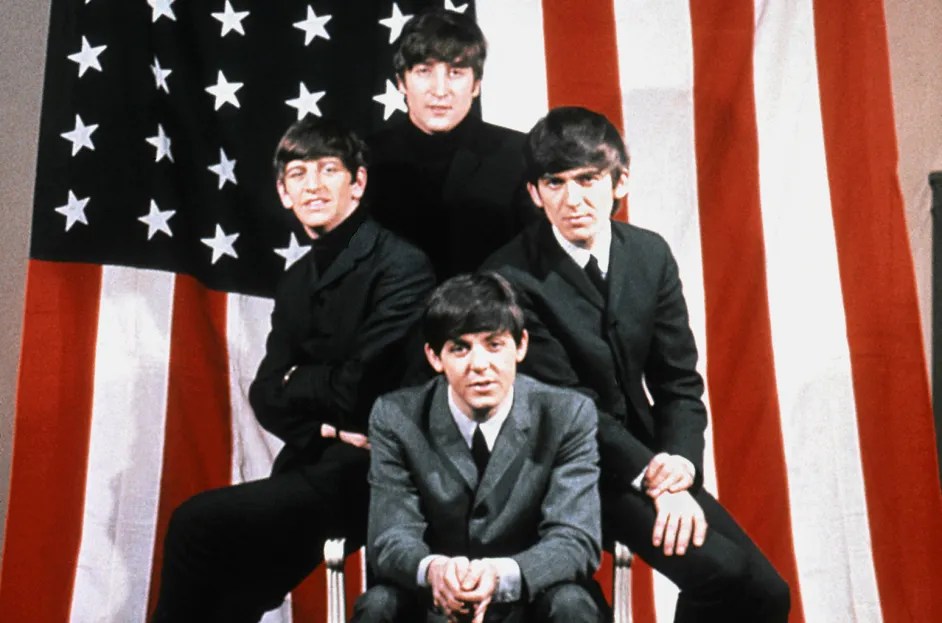
The musical story of 1964 will of course always be defined by the worldwide spread of Beatlemania, the definitive popular music craze that reached a fever pitch when The Beatles appeared on The Ed Sullivan Show on February 9, 1964. There was no turning back from that moment forward; the British quartet was officially launched into global superstardom, and the British Invasion of the American music charts that they spearheaded was well underway.
While the initial chart domination that the band enjoyed in the early parts of 1964 consisted of singles that they had first released dating back to late 1962, this next installment of our From the Jukebox series centers around the releases that had the the dubious task of maintaining that initial burst of phenomenal success, which of course proved to be no problem.
These are the 1964 releases that kept Beatlemania’s foot solidly on the gas as the year continued to unfold.
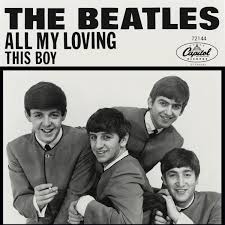
“All My Loving” (b/w “This Boy), Capitol, 1964
From the album, With the Beatles
Songwriters: John Lennon and Paul McCartney
Producer: George Martin
#45 (US), N/A (UK), #1 (Canada)
Another contagious burst of youthful pop innocence, “All My Loving” secured its spot among the beloved run of post-Sullivan gems by becoming one of Beatlemania’s gateway tracks into the Great White North of Canada, where it soared to No. 1. Thought not formally released as a single in America, it still garnered enough unsolicited airplay to chart there as well. Paul McCartney’s vocal reigns as one of his most amiably charismatic among those early hits, but it’s the crackling instrumental work of George Harrison’s C&W-leaning, Chet Atkins homage and John Lennon’s sparkling rhythm riffs that really give this track it’s unique character.
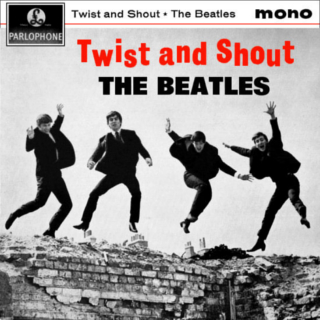
“Twist and Shout” (b/w “There’s A Place”), Parlophone, 1964
From the album, Please Please Me
Songwriter: Phil Medley and Bert Berns
Producer: George Martin
#2 (US), N/A (UK)
The Fab Four’s American influences were spotlighted on this cover of The Isley Brothers’ rock & soul hit from their debut record. Once the American public heard how the group completely transformed the tune and sent it into the rock & roll stratosphere with Lennon’s intense, vocal-shredding delivery, they devoured it with ravenous energy. Twisting and shouting would never be done the same again.
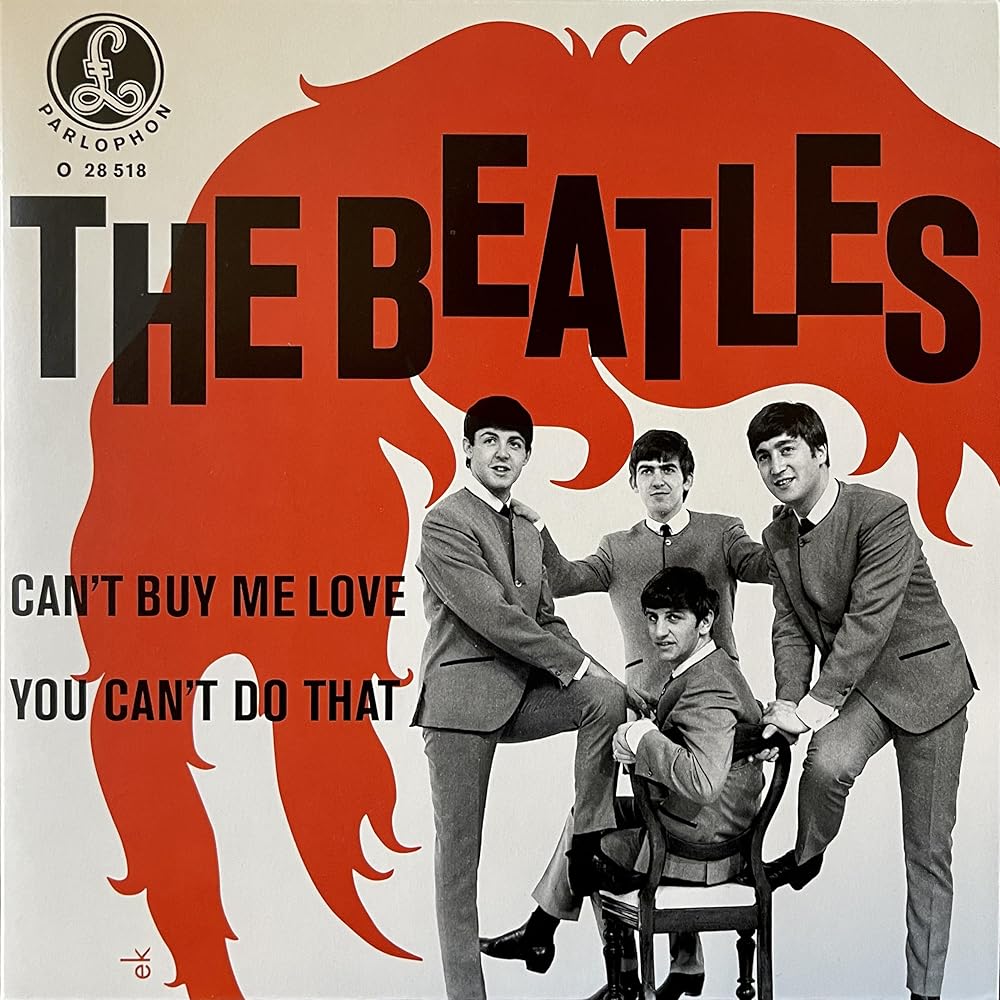
“Can’t Buy Me Love” (b/w “You Can’t Do That”), Parlophone, 1964
From the album, A Hard Day’s Night
Songwriters: John Lennon and Paul McCartney
Producer: George Martin
#1 (US), #1 (UK)
As the lead single to the group’s first album since crossing-over in America, there was tremendous pressure placed on the shoulders of “Can’t Buy Me Love”, which with its rollicking blues-meets-pop rock sound and slightly deepening lyrical narrative solidified that the Beatles would be no flash in the pan. They were on the cusp of becoming the wealthiest rock stars on the planet, so the declaration that fame and riches could not fill any emotional voids was obviously timely, and perhaps questionably quaint.

“Do You Want to Know A Secret?” (b/w “Thank You Girl”), Parlophone, 1964
From the album, Please Please Me
Songwriters: John Lennon and Paul McCartney
Producer: George Martin
#2 (US), N/A (UK)
A rarity in the early Beatles hit parade, in the fact that it features George Harrison on lead vocals, something that would not become more commonplace until Harrison’s songwriting reputation began to blossom during the second half of the band’s run. It proves to be a suitable fit for the quirky Harrison, starting off with a cryptically haunting opening line, before switching to a lighter and pluckier pace. It proved to be an entertaining contrast in tone and pace to the energetic, bubble-gum bops that McCartney and Lennon had fronted thus far.
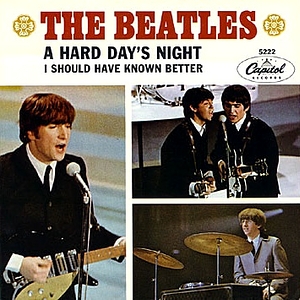
“A Hard Day’s Night” (b/w “I Should Have Known Better or “Things We Said Today”), Capitol, 1964
From the album, A Hard Day’s Night
Songwriters: John Lennon and Paul McCartney
Producer: George Martin
#1 (US), #1 (UK)
A fittingly frenzied anthem to define the first summer of Beatlemania, with John Lennon seeking refuge in a lover’s arms at the end of an exhaustive run of work. It wouldn’t be long before we would hear the darker, battered toll of superstardom seep into the group’s work, and of Lennon’s contributions in particular. In this moment however, they’re still riding the incredible wave of adrenaline that came with their momentous success, with the unifying rock/pop symbol of love being the reward waiting at the end of it all. In addition to its significance as the title track to the band’s first motion picture, as well as its distinction for being the first song in history to top the US and UK charts simultaneously, “Hard Day’s” also boasted subtle shades of the stylistic diversity that the Beatles would employ on future records. Namely cowbell, obtuse rhythm guitar choices, and of course, the iconic Rickenbacker chords that open and close the song.
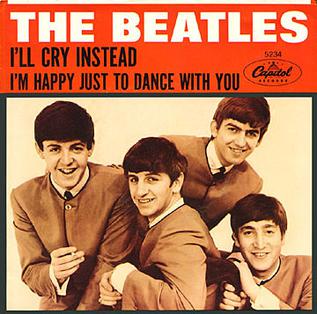
“I’ll Cry Instead” (b/w “I’m Happy Just to Dance With You”), Capitol, 1964
#25 (US), N/A (UK)
Songwriters: John Lennon and Paul McCartney
Producer: George Martin
A largely forgotten single, but a noteworthy track for the fact that it was the first of theirs to truly confront the pitfalls of their newfound popularity and fame straight-on. It’s no surprise that it was Lennon who led the charge into this topical territory for the band, given the ultimately melancholy and beautifully cynical POV that he’d become known for in the years ahead. It’s an impressively vulnerable moment layered with insecurity, doubt, and even resentment, and would pave the way for soon-to-come moments like “Help!” and far more introverted moments later on down the line.
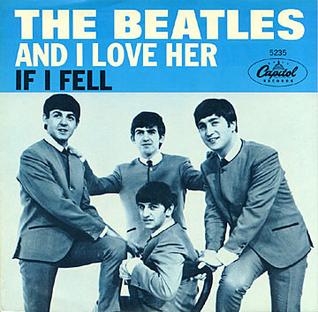
“And I Love Her” (b/w “If I Fell”), Capitol, 1964
From the album, A Hard Day’s Night
Songwriters: John Lennon and Paul McCartney
Producer: George Martin
#12 (US), N/A (UK)
The first ballad release in the group’s singles discography, “And I Love Her” stands as a pivotally revelatory moment in their artistic chronology. Though still similarly simple lyrically to their prevailing hits of the moment, “And I Love Her” ushered in a mature balladeer style that would prove just as important to their longevity as the swooning teenage twitterpation of their first smashes were to their breakthrough. McCartney’s boldly mature vocal, paired with a more sophisticated arrangement of bongos, claves, and George Harrison’s classical-leaning guitar work, elevated the range of their music beautifully. This is the precursor to “Yesterday” and many classic Paul ballads that followed.
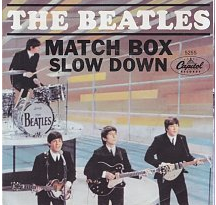
“Matchbox” (b/w “Slow Down”), Capitol, 1964
Songwriter: Carl Perkins
Producer: George Martin
From the EP, Long Tall Sally
#17 (US), N/A (UK)
This jaunty Carl Perkins cover was the band’s first single to feature Ringo Starr on vocal lead, and it’s a glowing showcase of all the key but often overlooked elements that the gregarious drummer brought to the band’s overall identity. Starr’s smoothly wry vocal floats gleefully against a thrilling rockabilly backdrop that’s highlighted by Harrison’s superbly loose and meaty guitar riffs.
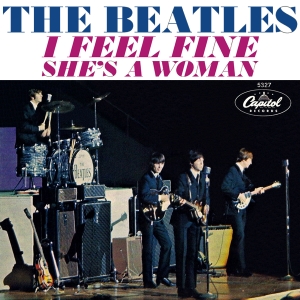
“I Feel Fine” (b/w “She’s A Woman” or “She’s A Woman”), Parlophone, 1964
#1 (US), #1 (UK)
Songwriters: John Lennon and Paul McCartney
Producer: George Martin
“I Feel Fine” is one of those quietly revolutionary records in the early Beatles catalog, those that would ultimately be unfairly miscast as ordinary within the context of the landmark experimentation that would define the band’s work from Rubber Soul forward. In actuality however, “Fine” is one of the group’s first pure rock moments, signaling popular music’s graduation from rock ‘n roll to the classic rock sound that the band helped pioneer as the decade progressed. The single’s use of vocal layering on Lennon’s sardonic lead and feedback guitar, as well as the elevated harmonies and Harrison’s complex guitar riffs all pointed as signs to the future of the band, and rock in general.
Previous: Singles, 1962-63
Next: Singles, 1965
Enjoying our content? Follow us on Facebook and subscribe by clicking the links below!
 The 706