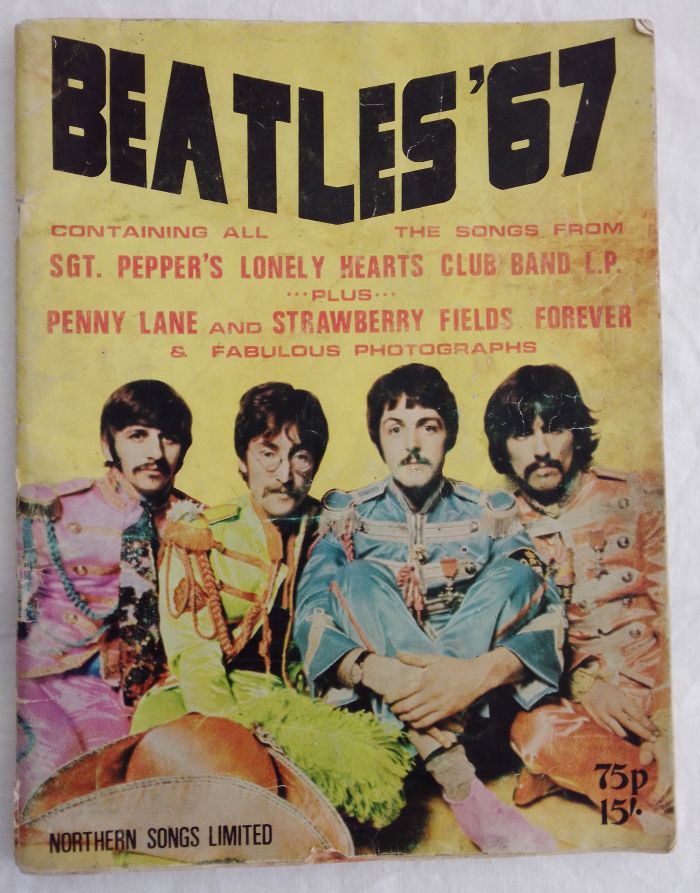
By the dawn of the soon-to-be infamous year of 1967, The Beatles had officially entered the more artistic, experimental, and yes–drug-influenced–back half of their swift but groundbreaking catalog. The expansive, mind-blowing evolution that listeners had witnessed on the preceding year’s Revolver was just the beginning, and soon reached new and awe-inspiring heights on Sgt. Pepper’s Lonely Heart’s Club Band. Released in May, the momentous music found on this singular LP, as well as the standalone band singles that surrounded it, arrived just in time to soundtrack the youth-led cultural and social movement that would eventually be coined “the Summer of Love”. The Fab Four’s significant contributions in establishing the genre of rock & roll–often dismissed by critics and musical scholars for its association with youth and rebellion–were not-so-ironically coinciding with the mark made on a societal scale by a mass wave of young citizens who too were proving that they had a voice that mattered, and that deserved to be involved in shaping the path forward to the future.
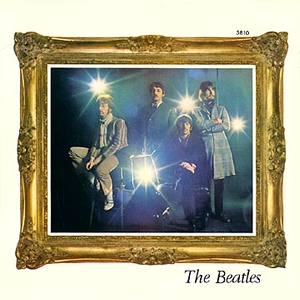
“Penny Lane”/”Strawberry Fields Forever”
Songwriters: John Lennon and Paul McCartney
Producer: George Martin
#1 (US), #2 (UK), #1 (Canada)
Though neither of the songs featured on this massive double A-side were ultimately included on Sgt. Pepper’s Lonely Hearts Club Band, they undoubtedly offered a glimpse into the increasingly progressive sounds that the band was fostering and that would culminate in dizzying fashion on that LP a few months later. “Penny Lane” is classically charming Paul McCartney folklore, a vividly imaginative portrait of a Liverpool neighborhood whose characters and stories magically pop from the speakers, thanks to both McCartney’s jubilant narrative of delightfully intimate lyrics, and a trippy but baroque pop arrangement that makes for infectious musical cinema. There are psychedelic undertones lingering on “Lane” to be sure, but per usual, McCartney was always the one most likely to subvert the more acidic layers of the band’s experimentation for something more Vaudevillian. With John Lennon taking lead on the flip side however, “Fields” has no qualms about losing itself completely in a hallucinogenic fog of gorgeously murky despair and wonder. Between the vastly different subject matter, the juxtaposition of McCartney’s charm and Lennon’s drear, and the clashing of instrumental styles, this is the Beatles’ most gloriously dichotomous double-sided single, and a fabulous example of why the two scribes were so brilliantly perfect for one-another. Their contrasting visions always made for beautiful music, and though it would soon contribute to the complete fracturing of the world’s greatest band, that tremendous tension was reaching its fever-pitch peak of greatness during the Beatles’ most groundbreaking period.
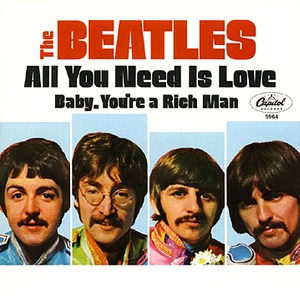
“All You Need Is Love” (b/w “Baby, You’re A Rich Man”)
Songwriters: John Lennon and Paul McCartney
Producer: George Martin
#1 (US), #1 (UK), #1 (Canada)
The undeniable cornerstone theme song for the Summer of Love, and perhaps the ultimate hippie anthem of all time. Similar to so many of their great early singles, “All You Need Is Love” is both startlingly simplistic and even more bewilderingly splendid in spite of that fact. It’s a fascinating anomaly to the degree of complexity that their other work was exhibiting at the time, but this was pure and simple the precisely relatable and universal anthem that this very specific moment in time called for. This is also why over a half-century later, it remains a staple anthem for times of division and societal conflict, which have also, unfortunately, not gone out of style. (And the call out to “She Loves You” at the song’s outro? Chef’s kiss.)
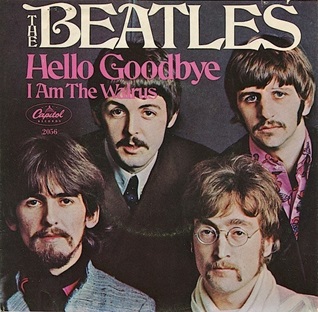
“Hello, Goodbye” (b/w/ “I Am the Walrus”)
Songwriters: John Lennon and Paul McCartney
Producer: George Martin
#1 (US), #1 (UK), #1 (Canada)
Much like “All You Need Is Love”, its follow-up single was also, curiously, an anomaly to the overall tone of the group’s sonic work at the time, though for different reasons. While “Love” managed to transcend its simple core because of the cultural impact and unwavering sentiment behind it, “Goodbye” ultimately feels like one of the more pedestrian efforts that the band ever shot up the charts. Sure, it’s catchy and hooky as all get out. And it’s true that it’s not necessarily any less remarkable on paper than many of the early classics that the group transformed into something more than the sum of their parts. There just isn’t the same charismatic connection or emotional, adrenaline-fueled stakes beating at its heart, as was the case in so much of this prior material. It’s just sort of there. Lennon was right: they should’ve made the far more interesting, and ultimately more legendary, “I Am the Walrus” the A-side.

Previous: Singles, 1966
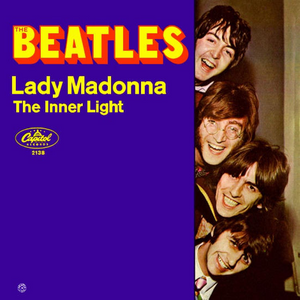
Next: Singles, 1968
 The 706