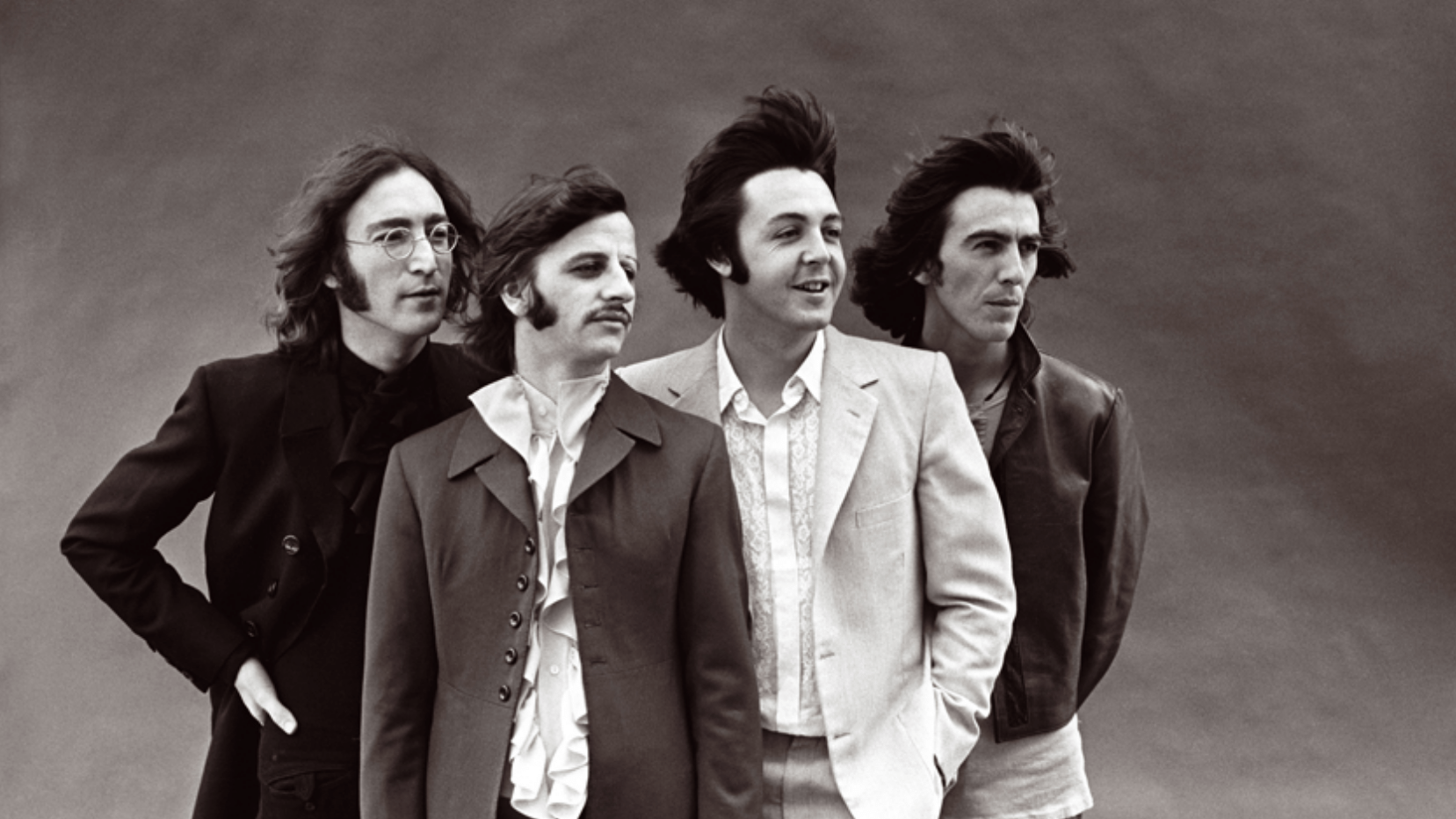
As the 1970s began, it would’ve been virtually impossible to imagine the popular music world of the new decade without The Beatles, the groundbreaking quartet that had so pivotally revolutionized the commercial and artistic possibilities of music in the sixties that their catalog unequivocally defined the entire decade. But alas, while all four members who carve out their own individual legacy in the seventies, and their iconic influence continues to live on through every new decade that dawns, their status as a band essentially lay in shambles by January of 1970. Though new and unreleased music was still pending, it would be the mere remnants of their tumultuous and aborted Get Back sessions, and the resulting album, Let It Be, would be completed through the patchwork of controversial producer, Phil Spector, not via collaboration of any of the Fab Four themselves. By the time the record saw release in May of 1970, the official break-up announcement of the Beatles had already devastated music lovers earlier in the spring. Consequently, these are the final ‘proper’ single releases from the Beatles’ run on top of the musical universe.
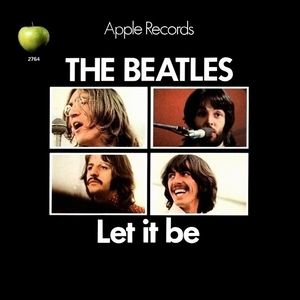
“Let It Be” (b/w “You Know My Name (Look Up the Number)”), Apple, 1970
Songwriters: John Lennon and Paul McCartney
Producers: George Martin, Phil Spector
#1 (US), #2 (UK), #1 (Canada)
Paul McCartney’s gorgeously gospel-tinged, piano rock ballad is truly the last great moment in The Beatles’ dominant run on the worldwide music charts. There’s been a notorious plethora of versions of “Let It Be” released into the universe, from this more stripped single version with George Martin at the helm, to the lusher Spector album version, to the later “naked” demo, and so on. What’s most striking however about this particular song, in contrast to some of its other accompanying album tracks, is how consistently solid it is regardless of which recorded iteration you’re listening to. This is a testament to the greatness of the song, and that of McCartney’s impassioned vocal performance. It taps into the need for more humanity, empathy, and ultimately faith in a troubled world. Regardless of where your spiritual beliefs lay, you can’t help but find an ethereal connection to the message and resonance of this performance. Add in the bittersweet notion that it really is the definitive swan song from the most iconic band in history, and the emotional weight of the record is both undeniable and timeless. McCartney’s sage and comforting advise for us to embrace acceptance of uncontrollable circumstances in the face of the unknown was just as pivotal for listeners to hear while considering a world without the Beatles, as it was for them to consider the implications of a grander and more consequential world outside the realm of popular music.
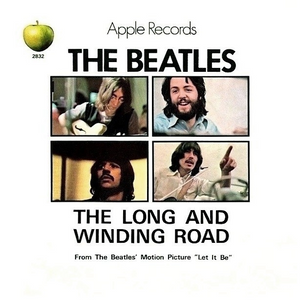
“The Long and Winding Road” (b/w “For You Blue”), Apple, 1970
Songwriters: John Lennon and Paul McCartney
Producer: Phil Spector
#1 (US), #1 (Canada)
Of course, here is where Phil Spector’s sonic liberties with the Let It Be material most infamously went off the rails, at least in retrospect. Like “Let It Be”, “The Long and Winding Road” was a soulful pop ballad from the eloquent pen and lips of Paul McCartney. In Spector’s hands, it became a dramatic, orchestral power-ballad, incorporating the epic Wall of Sound histrionics that had defined Spector’s own legendary work in the pop and rock landscapes. This production choice proved to be one that many, including McCartney, took issue with in the months and years following its release, with many accusing Spector of bastardizing the song, and stripping it of the raw authenticity that the band was going for at the onset of the initial Get Back sessions. In fairness to Spector, all members of the band initially signed off on the final product, and the listening public was just grateful that Spector stepped up to the plate to provide a final round of music from the band. With that said, the gaudy drama and excess of the production does stand in contrast to the atmosphere of even the Beatles’ most complex studio creations. It simply jars with the purity of McCartney’s delivery and the pathos of the overall song. It’s most definitely best heard in the ‘naked’ incarnation that was released on 2003’s Let It Be…Naked release. Regardless, none of this prevented the original release from becoming a modern standard or a smash; it ultimately became the group’s twentieth and final song to crown the Billboard Hot 100, and has been covered by a multitude of musical luminaries in the decades since.

Previous: Singles, 1969

Next: Singles, Post-Break–up
 The 706