
Over the course of the past year, The 706 has devoted tens of thousands of words, and dozens of reviews to the epic catalog of The Beatles through our inaugural Artist In Residence series. It’s without question the most prolific and thorough series I’ve attempted to date on the blog, and I sincerely hope you’ve enjoyed revisiting, or perhaps discovering, this monumental body of music. I’ve already got another great artist on deck for the 2025-26 AIR; watch for that announcement later in the spring!
However, I first thought it would be fun to wrap up our Beatles retrospective with a special edition of Twenty-Five Favorites, focusing on my favorite cover versions from their catalog. After all, as one of the most revered canons in music history, their songs have been covered by artists across virtually every genre, and from every generation to either bear witness to Beatlemania as it occurred, or that emerged in the decades that followed it.
Given that the height of their popularity occurred in the 1960s, it wasn’t uncommon for their songs to be covered immediately by their peers as the songs themselves or source albums competed against these recreations on the charts. Full-length albums were recorded and released in far more rapid succession that we’re used to today, with most artists averaging 2-3 LPs per calendar year. This left singers and producers hungry for material to round out their sessions and track-lists, and the Fab Four’s releases were ripe with gems to choose from. In some instances, a cover was released as a single before the original Beatles rendition ever was.
As a result, the forthcoming countdown contains a fantastic variety of interpretations released from both the glory days of Beatlemania and in the immediate wake of their break-up, as well as from the decades that unfolded as the band’s artistic influence grew more staggering with time. Narrowing it down was not easy (I could have done a 25F dedicated to honorable mentions alone!), but here are the essential and most enjoyable Beatles covers to my ears. What would your list look like?

25) Elvis Presley- “Hey Jude” (1972)
As the proverbial Twin Towers of the golden rock & roll era, the combination of The Beatles and Elvis is significant under any circumstance. We never got to hear the band tackle any Elvis tunes, and I wish Presley himself had not waited until his 70s Vegas-era to do his part; imagine him tearing into a gritty rocked-up Beatles song during the ’68 Comeback concert? All of this notwithstanding, this is the perfect Beatles ballad for the King to color with his soulfully crooning chops, which were still all-powerful in 1972. And when he cuts loose on the “Jude-Jude-Ju-Ju-Judy-Judy” licks on the song’s infamous finale, you can hear the underbelly of a rock & roll giant ready to unleash.

24) Anne Murray- “You Won’t See Me” (1973)
It was the legendary Canadian songbird’s little regard for genre boundaries that made her a dominant force on the country, pop, and Easy Listening charts, and resulted in fun, decadent nuggets like this read of the Rubber Soul chestnut. Murray goes full-blown rock & soul here, backed by velvety backing vocals and a rippling bass line. Legend is that John Lennon himself later named this among his favorite Beatles covers.
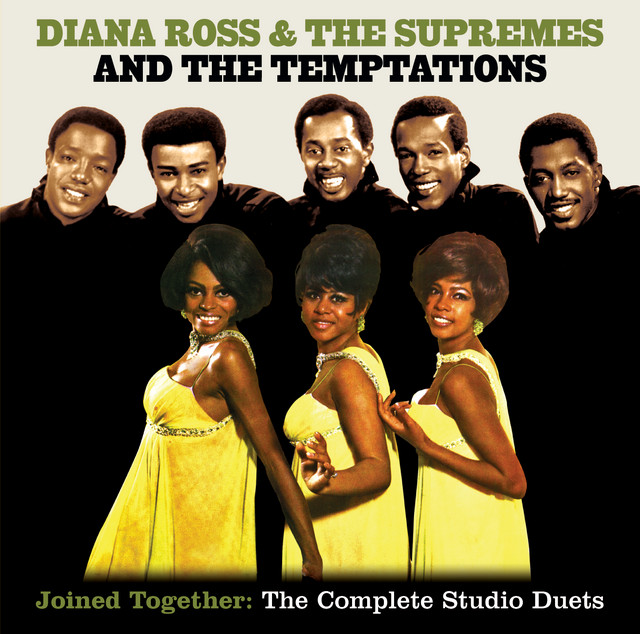
23) Diana Ross & The Supremes & The Temptations- “Got To Get You Into My Life” (1968)
The Beatles’ affection for Motown, and R&B as a whole was clearly evident from the onset of their career, with their first two LPs including a treasure-trove of classic covers of their own. The era’s greatest purveyors of R&B and soul were generous in returning the favor, with this high-profile collaboration, long-buried in the Motown vault being a high-water mark in such efforts. Diana Ross‘ rise as a singular icon is on the upswing here so she unsurprisingly takes the spotlight, but she is undoubtedly elevated by the male-female harmonies supporting her, and a golden orchestral arrangement that adds new sparkle to the dark-horse Revolver classic.

22) Aerosmith- “Come Together” (1978)
The diamond-in-the-rough selection from an ill-fated film and subsequent soundtrack that may be the most glaring examples of the excesses of The Bee Gees (spoiler alert: they do NOT appear on this countdown). Steven Tyler and his troops use their early blues-rock sound to completely immerse themselves in the most deliciously greasy and gritty aspects of the epic Abbey Road opener. The swampy swagger of the music itself does glorious justice to the original, while Tyler’s young, ravenous charisma and sexuality just radiate from the speakers. A thrilling climax to their initial run of success in the 70s.
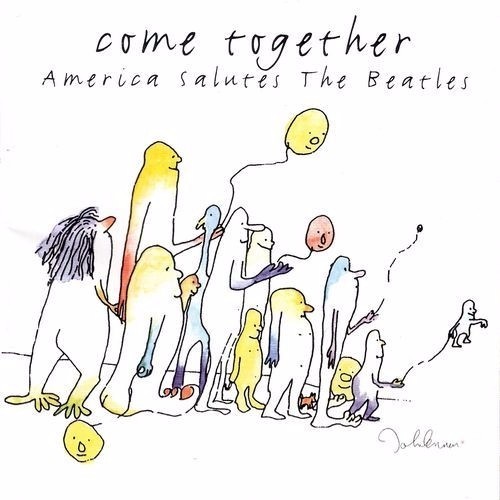
21) Randy Travis- “Nowhere Man” (1995)
What a perfectly quirky song selection for a Beatles cover from Randy Travis, whose stone-cold baritone and staunch honky-tonk sound had to make him the most difficult artist to curate for on this forgotten country-themed tribute record (it’s not currently available digitally, but is worth seeking out on YouTube or in CD-form). Travis’ barren vocals and the sweeping, lonesome country arrangements splendidly exorcise the saddest depths of this cult-favorite, which was truly a pivotal topical evolution for the Lennon-McCartney lexicon.

20) Thompson Twins- “Revolution” (1985)
This perfectly specific-1985 spin of the 1968 classic is just an all-out, gawdy good time. I cannot recall another effort that so unabashedly drenched the Beatles in a vat of punky New-Wave sheen, and the results are undeniably insatiable.
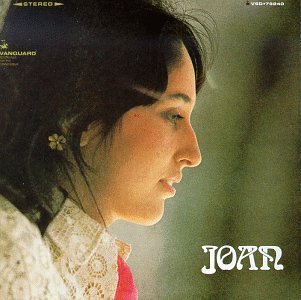
19) Joan Baez- “Eleanor Rigby” (1967)
Released one year after the original first appeared on Revolver, this is the first entry on the countdown in which music fans were graced with an alternative interpretation while the Beatles’ version was still very much prominent in the current-day zeitgeist. It’s a natural choice for a folk cover given the song’s vivid storytelling, and Baez’s signature crystalline pipes are perfectly bitter and cutting on the song’s climactic chorus, while the trepidatious piano keys are on-point with their unnerving aura.

18) Cowboy Junkies- “Run For Your Life” (2005)
Leave it to the alt-country pioneers to go completely off the beaten path with their own Beatles cover, plucking this overlooked, and oft-derided selection from Rubber Soul. I’ve always thought there was a lot of untapped potential in the track personally; apparently it just took four decades and for Margo Timmins and company to get their mitts on it. Their version completely indulges in the dastardly tendencies that were bubbling underneath John Lennon’s original vocals, and allow all of its tantalizing darkness to finally claim its spotlight on the surface.

17) Martha Reeves & The Vandellas- “Something” (1970)
The Beatles may have never covered the Vandellas specifically, but the ladies’ cover of “Something” nevertheless remains a gorgeous full-circle moment in the quartet’s connection to both Motown and the legacy of early girl-groups in general. The vocals throughout this performance are nothing short of sublime, particularly on the legendary bridge. Genuine soul magic right here.
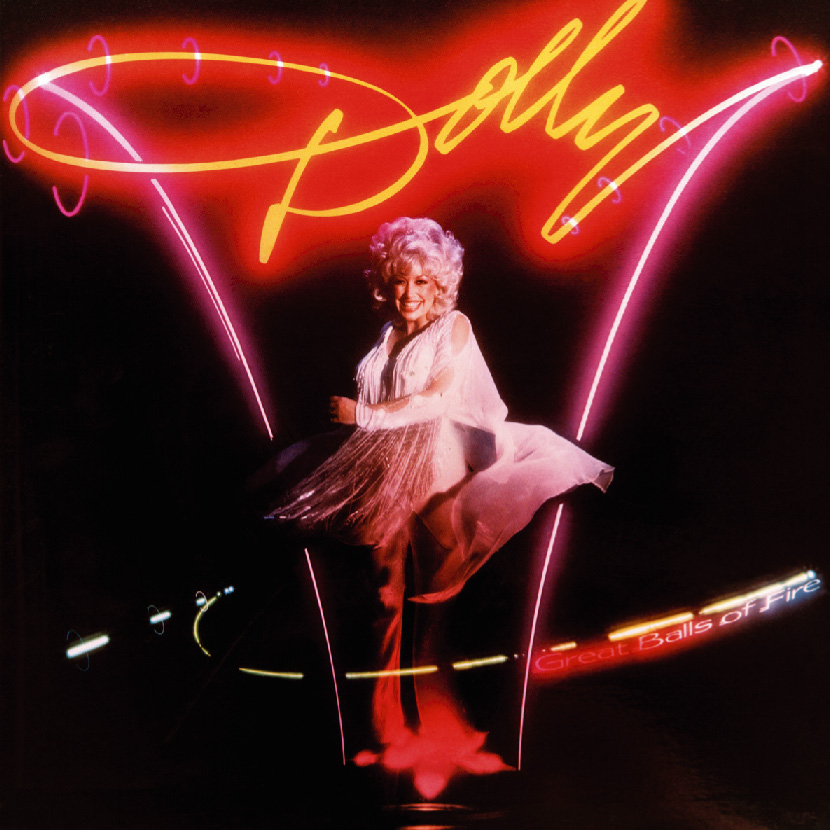
16) Dolly Parton- “Help!” (1979)
Tucked in the midst of the country queen’s pop crossover run and disco-curious era, it’s never ceases to delight me by how much Parton went in the opposite direction with this track. She transforms this classic into an all-out bluegrass romp. It’s highlighted by an all-acoustic soundscape, Dolly’s pristine mountain vocals, and a frenetic, breakneck pace that intensifies with each passing chorus, bringing the nervy anxiety of the song’s core to new heights. The Help! album itself was not without its country and folk leanings, and this fabulous cover recalls the spirit of another one of its tracks, “I’ve Just Seen A Face”, which is a low-key bluegrass number in itself.

15) Booker T. & the M.G.s- “Medley: Golden Slumbers/Carry That Weight/The End/Here Comes the Sun/Come Together” (1970)
This fifteen-minute showcase opened the M.G.’s McLemore Avenue, a dazzling set that consisted completely of Abbey Road selections, and even cheekily references the original album’s iconic cover photo. Booker & his ensemble are in fantastic musical form throughout, with their unique sonic interpretation of the material shining brilliant light on just how universally beautiful the Beatles’ music was, especially on their swan song. I might take a slight issue with the fact that they didn’t keep the actual medley’s song selection untouched from its source material, but that’s a minor quibble about a truly fascinating tribute.

14) Beyonce featuring Brittney Spencer, Reyna Roberts, Tanner Adell & Tiera Kennedy- “Blackbird” (2024)
By the new millennium, covering the Beatles’ catalog had become such thoroughly traveled territory that the number of new Fab Four iterations has reached an all-time low in the past twenty years. Queen Bey beautifully resurrected the trend last year with this stunning gem from her country-inspired Cowboy Carter. There’s been so much chatter about this record over the past twelve months, but it’s far-too-rarely noted what a vocal showcase the album truly is. This performance specifically, with its chilling harmonies from a talented bevy of aspiring black country women, is its crown jewel in that regard.
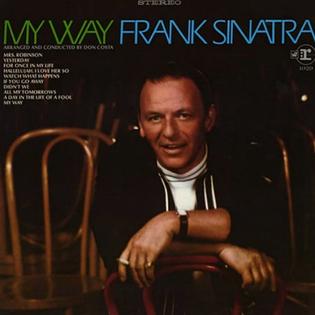
13) Frank Sinatra- “Yesterday” (1969)
A truly landmark meeting of pop’s past and its present, Sinatra graces the band’s first bona fide standard with the same compositional reverence and interpretive esteem as the countless other classics that defined his golden catalog. And that’s because he and everyone else knew that this song was in their same league, bar none. Hearing his beloved voice and the lush classic pop trappings applied to Lennon-McCartney magic remains a wonder to behold a half-century later.

12) Dwight Yoakam- “Things We Said Today” (1997)
A country artist once again provides one of the most inspired left-center choices on the countdown, and that’s a trend that will continue as we near the top too. As was par for the course with virtually anything that the duo of Dwight Yoakam and Pete Anderson touched, this A Hard Day’s Night curation immediately radiates with its own unique, effortless brand of cool. Yoakam’s own affinities for psychedelia, as well as Western pop-rock and country-noir are on prime display in this evocatively alluring gem. His entire 1997 covers project, Under the Covers, is an ultra-rewarding adventure for any kind of music lover, and will be a preeminent highlight when Yoakam inevitably gets his own AIR run here on the blog.

11) Count Basie & His Orchestra- “Norwegian Wood (This Bird Has Flown) (1970)
Frank and Ella’s choices to cover the Beatles were prominent christenings in and of themselves, however an entire record devoted to their songs by one Count Basie was an endorsement on a new level. It confirmed that the pure melodies, stylish creativity, and overall sophisticated substance of the Beatles’ music had far transcended the limits of commercial pop music, reaching the prestigious jazz and classical realms that pre-dated even Sinatra, Fitzgerald & their classic pop contemporaries. This entire record is worthy of acclaim here, with each song sounding stunning and revelatory. I chose “Norwegian”, not only because it remains one of the band’s most curiously intriguing cuts, but because its role as Basie’s opening number sets the tone of the gorgeous experience the record is on the whole.

10) Rosanne Cash- “I Don’t Want to Spoil the Party” (1989)
The irony is never lost that, after dominating the country field for the better part of the 1980s, Rosanne Cash’s final of eleven No. 1s would not only be her most traditional country-leaning hit, but a Beatles cover at that. This fact really defines the spirit and vision for the diverse brand of country that she and soon-to-be-ex-husband, Rodney Crowell crafted together. Their melting-pot of roots influences were always thrillingly subverting the expectations of the Nashville machine. While they often-times helped connect country music to its undeniable rock, folk , and pop roots, here they use jaunty fiddle and a fiery two-step arrangement to connect the Beatles to their own country and folk bona-fides. It would be the only Lennon-McCartney track to ever crown the country charts, and made for a fitting finale to one of the most rewarding hit-streaks to ever make it past Music City’s stringent gate-keeping.
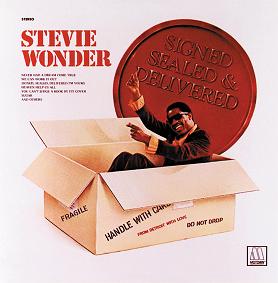
9) Stevie Wonder- “We Can Work It Out” (1970)
One of the most revered Beatles covers, and a bona fide staple in Stevie Wonder’s own repertoire, and for many good reasons. The legend’s vocal chops, stylistic inclinations, and inimitable charisma are all in premiere form here, and he transforms the tune into richly infectious funk-soul volcano. His subtle but unique flourishes on the chorus, paired with the shuffling beats and a signature harmonica finale forever make this song as much a Stevie touchstone as a Beatles one.

8) Marvin Gaye- “Yesterday” (1970)
What a positively stunning showcase, both in terms of sheer singing and also the art of a great cover performance, one that not only honors the power of the original, but also claims its own transformative identity and manages to unearth newfound magic within the song itself. Gaye absolutely converts this into a sweeping soul sensation, using his inimitable range to touch the listener with both sweet affection and guttural devastation. Why this is not more widely regarded as a definitive moment in his career is an utter mystery, but it in turn makes it one of music’s most rewarding hidden treasures. A masterful interpretation from one of the all-time great talents.

7) Ella Fitzgerald & Johnny Spence Orchestra- “Can’t Buy Me Love” (1964)
An all-out swinging good-time that serves as arguably the first sampling of how well Beatles music would translate to more traditional mediums like jazz and swing music. Beyond providing the kind of high-caliber musical greatness and entertainment that Ella was always celebrated for, her early willingness to tap into the band’s work set the stage for the beloved Sinatra and Count Basie moments that were covered earlier in this feature. An infectious helping of both musical greatness and all-out joy.

6) The Elton John Band- “Lucy In the Sky with Diamonds” (1974)
To say that the iconic seventies careers of rock heroes like Elton John would have looked entirely different without the groundwork laid by The Beatles in the previous decade would undoubtedly make for one of the greatest understatements in music history. John not only proved vital in carrying forward the torch of sixties pop and rock, but he also was uber-aware of his fellow countrymen’s contributions as he forged his own path. It’s hard to think of any track better suited for the flamboyant John to cover as the flashy creativity of his early records came to vibrant life. And for your next rock trivia night: yes, Lennon himself appears here as a member of The Elton John Band.
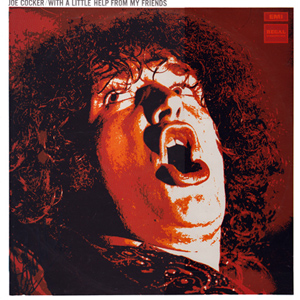
5) Joe Cocker- “With A Little Help From My Friends” (1969)
The legacy of Joe Cocker is far too often relegated to the annals of early SNL parody or TV sitcom soundtracks, but he was undeniably one of the most volcanic vocal forces to ever enter the sphere of popular music. His greatest recordings astutely capture how vast and fast-moving his range was, and “Friends” is arguably his definitive one in that sense, and not just because it’s his best-known. He can so effortlessly escalate from a grippingly, sensitively soul whisper to an explosively guttural rock roar that the confines of the recording can barely contain his overall intensity. To hear him do so with what was originally a classically affable Ringo Starr shuffle remains nothing short of revelatory and transformative, with the sultry female backing vocals providing the subtle but much needed cherry on the sundae. An epic moment in rock history.
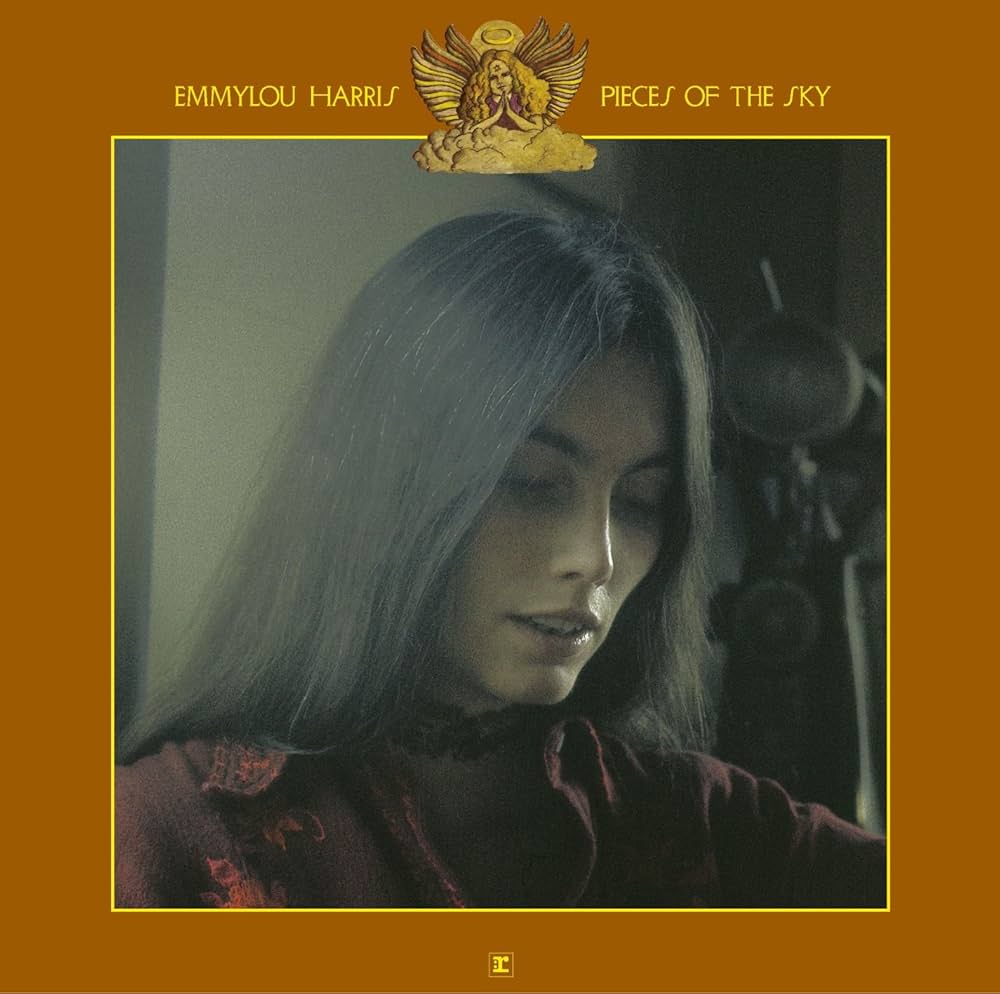
4) Emmylou Harris- “For No One” (1975)
Circling back to the “I Don’t Want to Spoil the Party” entry earlier, it’s important to remember that Emmylou Harris and her original producer/husband, Brian Ahern walked in the 70s so that Rosanne Cash and Rodney Crowell could run in the 80s. Harris became the premier architect for the Cosmic country-rock movement first sparked by her late comrade, Gram Parsons, by curating from a diverse and genre-less well of momentous songs, and repurposing them in the legendary fabric of her rock-tinged brand of classic country storytelling. This Revolver gem was an early example of how groundbreaking this approach would become; the original is tenderly sad. In Emmy’s gifted hands, it’s downright devastating.
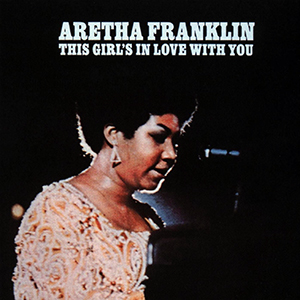
3) Aretha Franklin- “Let It Be” (1970)
In another interesting slice of rock & roll trivia, Aretha’s rendition of the Beatles’ final classic hit actually preceded the release of the band’s own single version, with Franklin having received a demo version from Paul McCartney prior to her recording of it. Here’s where we get to the testament of both a truly great song, and a truly great cover. Truly great songs can absolutely live in multiple, diverse incarnations without ever detracting from the other. The Beatles’ version (yes, even the Phil Spector production) is untouchable as a rock classic, and Aretha’s iteration too earns this hallowed status. She taps into the gospel roots of the song by stripping it back to a primarily organ-driven church setting, unveiling its true identity as a modern hymnal. And just as she sends it into that golden territory, she pivots to a fiery saxophone solo on the bridge, which in turn also allows the song to claim another special identity as its own soul marvel as well. This is the pure magic of Aretha Franklin in all its untouchable glory.

2) Johnny Cash- “In My Life” (2002)
There’s little doubt that the great Johnny Cash could have delivered a sterling version of this song at any point during his legendary, five-decade career. After all, he’s Johnny freaking Cash, and this is also “In My Life”, a supreme Beatles standard that song-wise, I’d place in the same lofty regard as moments like “Yesterday” or “Eleanor Rigby”. But what makes this cover truly extraordinary is that Cash chose to record it at age 70, as his health deteriorated and he and Rick Rubin crafted the final album released during his lifetime. The cruelest irony of the life experience is that so much of the potency of its beauty is derived from the loss, sadness, and ultimately devastation that it provides. The Man In Black gracefully performing “In My Life”, at the end of his own existence, as a supporting track to “Hurt” no less, is one of the most poetic recorded moments I’ve ever experienced.

01) Ray Charles- “Eleanor Rigby” (1968)
I don’t have an official record to reference in terms of citing which of The Beatles’ songs were the most covered. I’m sure “Yesterday” will immortally reside at the top, with a variety of the other songs featured here sitting in that upper-echelon. I would wager a bet that “Eleanor Rigby” would rank very near the top, as it absolutely should. “Rigby” represented such a breakthrough moment in terms of the songs that the Beatles wrote and performed; they had not previously mastered this cinematic level of musical storytelling and I dare say they never did again at this rarified level, save for perhaps “A Day in the Life”. “Eleanor’s” story was such a rich, fully-formed one in terms of imagery and character portrayal. Paul McCartney’s delivery was legendarily haunted; but Ray Charles’ is flat-out otherworldly. His vocal is spine-tingling. The instrumentation utterly spooky. The backing vocals sound like they’re coming from legit spirits rather than the latest line-up of The Raelettes. I picture the version of the story being told entirely from the graveyard as if they chose to completely bypass the church. There are a few tracks on this countdown where I prefer the covered version spotlighted in favor of the originals, but none on the level of Charles’ “Eleanor Rigby”. It’s a sterling example of why they called him “The Genius”. I love The Beatles’ version; I flat-out cherish and am awe-struck by Ray Charles’ version. The top spot on this edition of Twenty-Five Favorites was secured from the moment the idea was conceived in my mind.
 The 706