
I recently had the pleasure of checking another destination off travel my bucket-list, as my husband and I visited the legendary city of New Orleans over Spring Break. Our time in the Big Easy was decorated with all of the cultural highlights that the city is known for, from the unique history and architecture, to the rich art scene, bustling night life, and an endless menu of excellent and intriguing cuisine. And then of course, there was the music!
New Orleans is rightfully known for its vibrant and varied musical scene. This is a reputation that was immediately verified when we stepped not a few feet from our French Quarter hotel to hear a bevy of energetic and stylistically diverse live music radiating from the nearest street corner. Those sounds only increased as we walked our way through this historic district before finally arriving at Bourbon Street. Our trip was wonderfully soundtracked by this energy as our week unfolded, with additional highlights abounding while aboard a classic riverboat dinner cruise, or while record-shopping at the Louisiana Music Factory, and finally while taking in a show at the historic Preservation Jazz Hall.

To help commemorate this great vacation, I thought it’d be fun to do a playlist feature on New Orleans-related songs, a library of which is enormously large with an expansive reach across eras, styles, and cultures. The twenty-five songs listed below are by no-means a comprehensive or even essential compilation of the most pivotal NOLA-themed or influenced songs, but rather a tasty sampling of tracks that I listened to in anticipation of, during, and now while remembering my first trip to the iconic city. A few of them I discovered for the first time during the trip itself.
For brevity’s sake, I limited the list to only include one entry from a given artist, and they are listed alphabetically rather than ranked in any specific order. The results we are left with are a proverbial musical gumbo that I feel is an illustrative, if merely introductory, assortment of the rich stylistic variety, boisterous spirit, and musical vitality that the grand city of New Orleans, Louisiana has to offer. Enjoy!
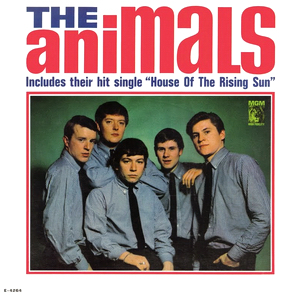
The Animals- “House of the Rising Sun” (1964)
Few classics from the rock & roll era sweat with the same kind of imagery and intensity as The Animals’ version of this haunting tale, which would go onto become a folk and rock standard by way of innumerable other iterations that both pre-dated and followed this monstrous hit rendition. This remains the song’s most definitive version however, and surely its most ghostly, thanks to the magically guttural howl of Eric Burdon, the sizzling guitar licks, and that wonderfully morose organ arrangement. Few songs have ever painted such a palpable–or devastating–portrait of the Big Easy.
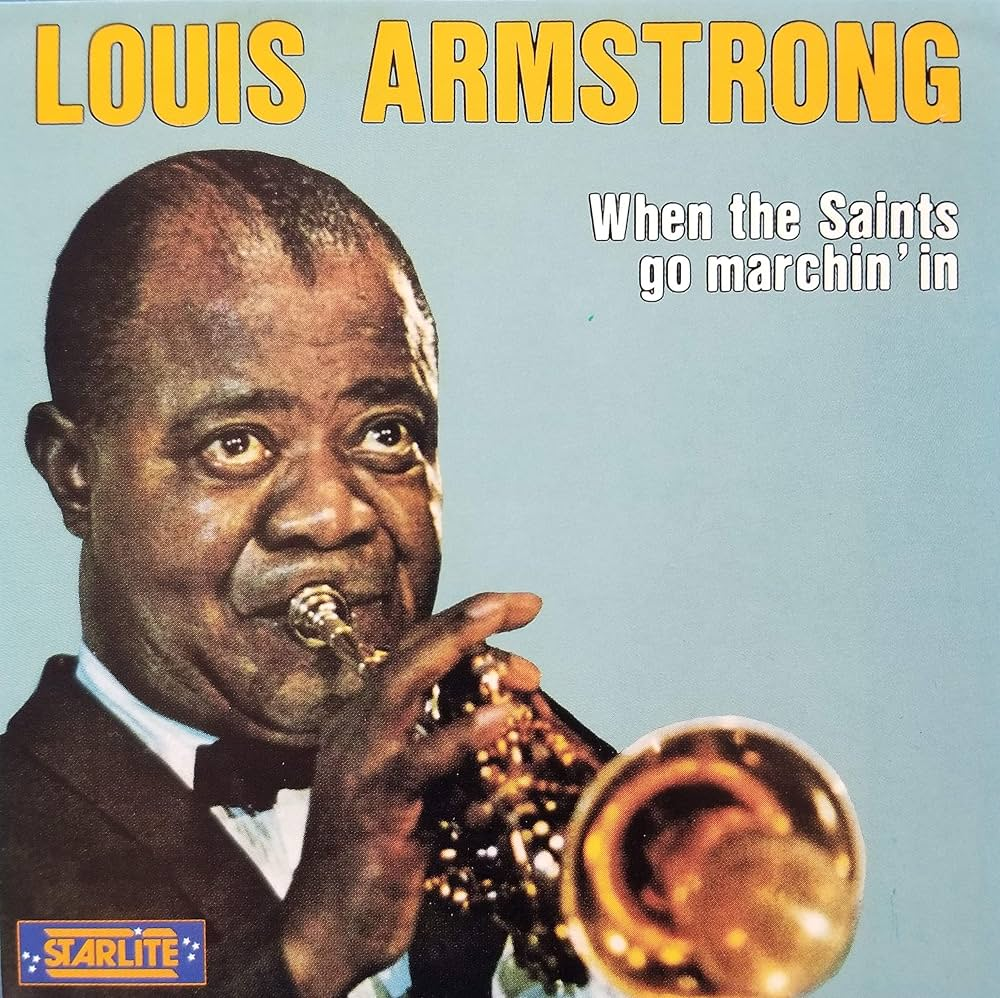
Louis Armstrong- “When the Saints Go Marching In” (1938)
A century later and this jazz jewel, with its fascinating origins as a black hymnal, remains the city’s indisputably definitive anthem. And while there is an endless list of interpretations to joyously feast upon, the most beloved version of course remains that of NOLA’s resident son. With both his inimitable vocal and trumpeting talents, Satchmo magically lays the groundwork for the jubilant spirit that the song would carry through the streets of the French Quarter and beyond for generations to come.
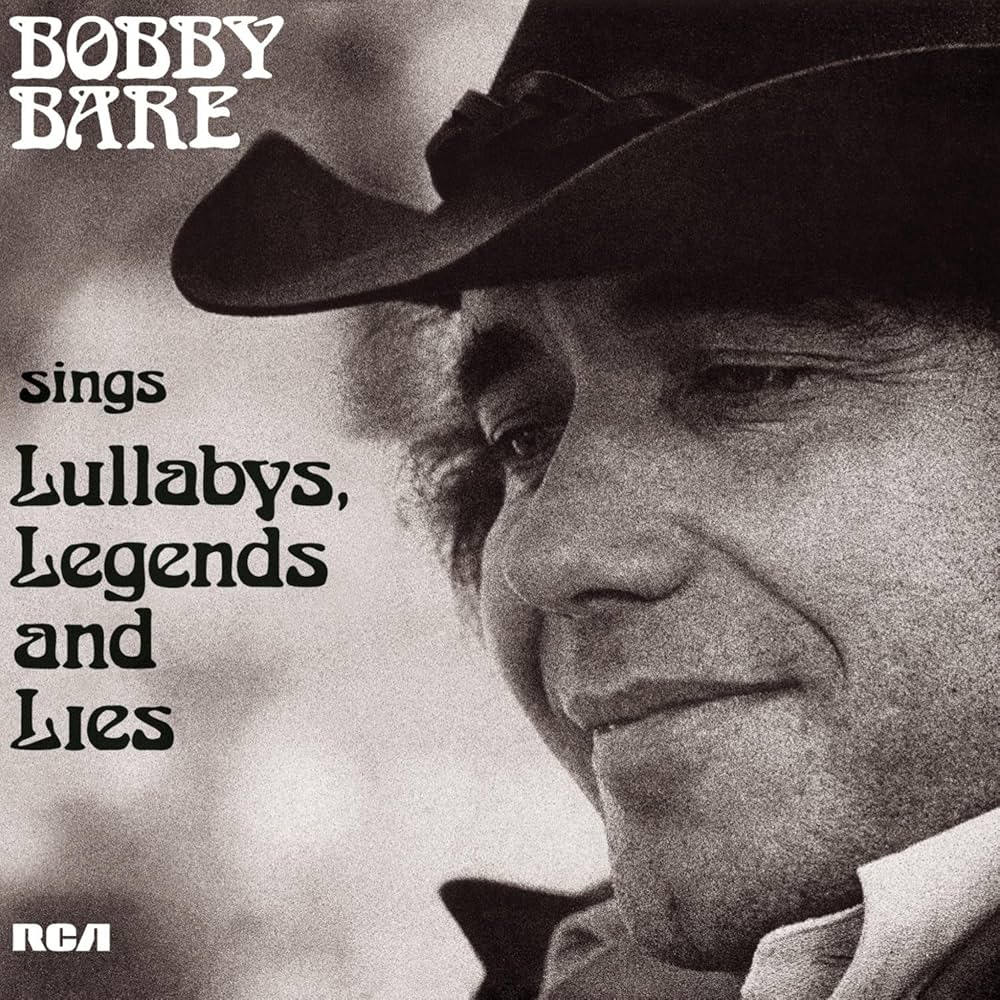
Bobby Bare- “Marie Laveau” (1974)
The sole chart-topper of this Country Music Hall of Famer’s career served as a hilarious witch’s tale honoring one of New Orleans’ most infamous citizens, voodoo queen Marie Laveau. Culled from the legendarily quirky pen of Shel Silverstein, Bare delivers this with a perfect combination of his signature smiling grit, carefree storytelling, and just the right pinch of comedic novelty.

BeauSoleil- “Zydeco Gris-gris” (1987)
A blistering tour-de-force of spicy Cajun spirit, entertaining showmanship, and positively eye-opening instrumental prowess. Emerging in the mid-70s, BeauSoleil quickly proved themselves as one of the most prolifically gifted batch of musicians, and show-stopping must-see live acts. The fiery outfit helped carry the spirit of Cajun and zydeco music into the 21st century, where they remain one of the music’s chief curators yet today.

Dierks Bentley featuring Trombone Shorty- “Mardi Gras” (2016)
Tucked away on Bentley’s uneven, excessively bro-leaning eighth album is this irresistible party lament, the instant highlight of the entire LP. It may have looked like a potential misfire on paper, but this one cooks on all the right cylinders. Bentley’s affable combination of unassuming sex appeal and aw-shucks hook-up regret is undeniably charming, and Shorty’s blazingly brass bawdiness perfectly elevates the slinky, swampy sonics of the track.
Garth Brooks with New Grass Revival- “Callin’ Baton Rouge” (1994)
One of the rootsiest moments of the 90s country behemoth’s hit-streak also proved to be his most glorious, with Brooks not only having the good taste to cover this gem from Newgrass cult heroes, New Grass Revival, but also the gumption and class to feature their massive chops on the record as well. It provided the ensemble with the kind of mainstream showcase they were criminally denied of in the years prior, and gave a golden age of country radio one of its most lucrative bounties of legendary musicianship.

Jimmy Buffett featuring Preservation Hall Jazz Band- “University of Bourbon Street” (2023)
True to his joyful legacy, it was only fitting that the opening cut to Jimmy Buffett’s final album, released just two months after his death, was so gleefully vital and celebratory. It paints a comforting and life-affirming image of Buffett bidding this world adieu, with an ear-to-ear grin as the gorgeous sounds of Preservation Hall play him off into his next life.

Hoagy Carmichael with The Pacific Jazzmen- “New Orleans” (1957)
Though not as towering as the more definitive standards in his canon (“Stardust” and “Georgia On My Mind”), “New Orleans” is another gorgeous signature in the Hoagy songbook, with his typically smooth and regal jazz stylings providing a glowing tribute to the beauty and wonder of the city.
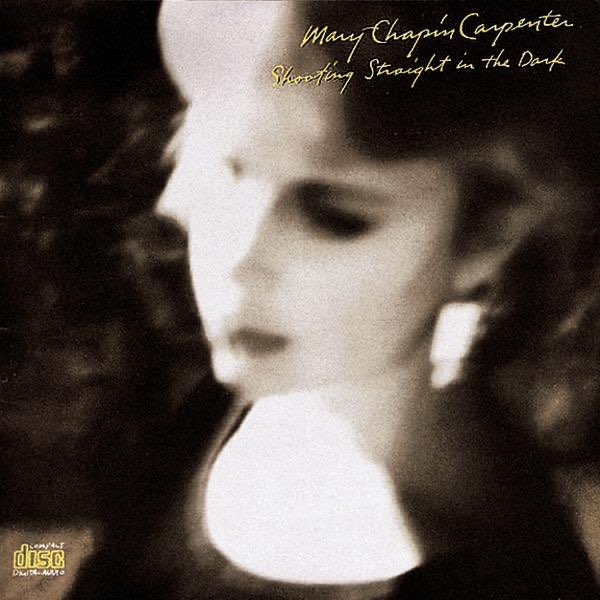
Mary Chapin Carpenter with BeauSoleil- “Down at the Twist and Shout” (1991)
It’s fascinating in retrospect to realize what an outlier in Chapin’s classic catalog her breakthrough smash (and ultimately her most enduring song on terrestrial radio) would become. That fact only makes “Down at the Twist and Shout” all the more deliriously special. Carpenter delivers an absolutely sizzling throw-down here, complete with unmistakable Cajun licks from members of BeauSoleil themselves. No bayou bash is complete without this triumphant gem.

Harry Connick Jr.- “City Beneath the Sea” (1996)
Once again, New Orleans’ unique location, sparkling scenery, and resonant spirit naturally lends themselves to a bright tale of escapist’s longing and wonder. It’s perfectly punctuated by a shimmering piano solo and Connick’s ever-smooth and amiable presence.
Creedence Clearwater Revival- “Born on the Bayou” (1969)
There has never been, and never will be, a record that more effectively depicts the humidity, emotional intensity, and all-out swampy sizzle that helps define the overall aura of New Orleans, and the entire bayou region as a whole. And it’s something that goes far beyond climate. If ever there was a voice and a band that could bring all of that steam to the surface on record, it was certainly John Fogerty and CCR. Even folks in Antarctica find themselves in a heavy sweat after listening to this record.

The Dixie Cups- “Iko Iko” (1965)
A seemingly lightweight novelty on the surface, this definitive moment of the 1960s girl-group movement has a Native storyline and a rich cultural heritage lingering underneath that runs deep, connecting it to the formative fabric of the New Orleans region as a whole. It’s a pivotal landmark in both the music, and the overall culture of the territory that should not be underestimated.

Fats Domino- “Walking to New Orleans” (1960)
A beloved chestnut from the treasured jukebox of Fats Domino that reminds us of the city’s formative R&B roots that often get overlooked by its identity as a hotbed for other musical styles. A luminous record that radiates with gorgeous reverence, romance, and ultimately, homesick heartbreak.
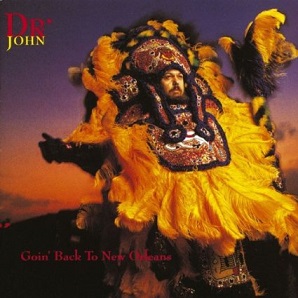
Dr. John- “Goin’ Back to New Orleans” (1992)
A delicious serving of the diverse musical styles that have always made NOLA such a tantalizing musical melting pot. Supported by the smooth stylings of The Neville Brothers, John serves up a tasty plate of jazz, rock, funk, Tejano, and Creole sounds that perfectly compliment the buffet of sights, sounds, and tastes of the city he celebrates in the lyrics of the song itself.
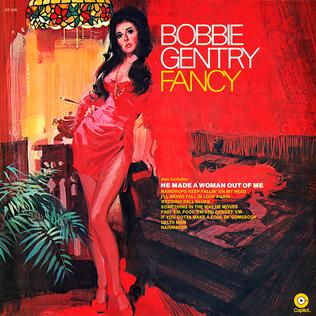
Bobbie Gentry- “Fancy” (1970)
If I had included Reba McEntire’s iconic rendition on this list, it would have seemed a bit hollow with the New Orleans call-out in the opening verse being merely a connection of semantics. As for Bobbie Gentry’s devilishly gritty original? That’s an entirely different story. You can absolutely picture this narration of the tale happening in a scuzzy alley on the outskirts of the French Quarter. And what fittingly epic and cinematic scenery it proves to be for this Southern Gothic classic.

Steve Goodman- “City of New Orleans” (1971)
A fabled travelogue in the classic annals of American folk music, it’s truly a narrative journey of American stories and characters on a national level. But it’s only fitting that New Orleans serves as the song’s titular destination, given its one-of-a-kind representation of the country’s diverse well of cultural roots. Both Arlo Guthrie and Willie Nelson would have huge hits with their cover versions, but it’s the basic folk tapestry of Goodman’s original that illustrates the spirit of the American journeyman the most effectively.
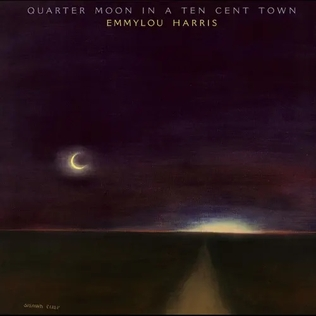
Emmylou Harris- “Leaving Louisiana in the Broad Daylight” (1979)
This cut is a prime example of the legendary “Emmylou effect”. Although this modern country standard has been notably recorded by both its composer, Rodney Crowell, as well as the Oak Ridge Boys among others, a song forever belongs to Ms. Harris once she bestows her unique interpretive powers upon it. Her ethereal twang sounds absolutely born to deliver this free-spirited narrative, and her flawless Hot Band hits an instrumental home-run with their seamless transformation into a bayou jam band.

The Meters- “Talkin’ ‘Bout New Orleans” (1975)
The Big Easy gets dipped into a steaming vat of deep-fried funk on this sensational offering from this underrated band’s aptly-titled, red-hot sixth studio album.
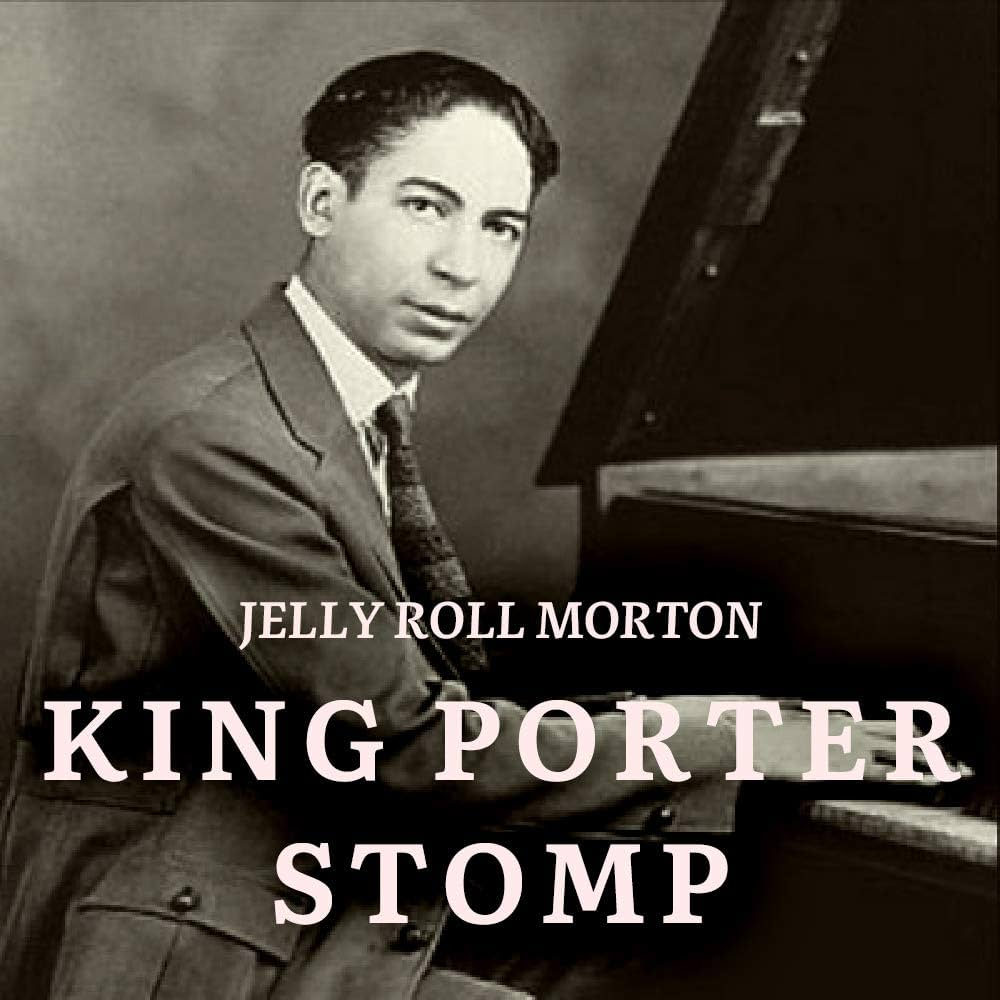
Jelly Roll Morton- “King Porter Stomp” (1923)
The fascinating story of jazz music as a whole is simply incomplete without recognizing the accomplishments of Jelly Roll Morton, a New Orleans native and Creole descendent who essentially helped define the very idea of jazz with early ragtime piano numbers like this indelibly swinging standard.
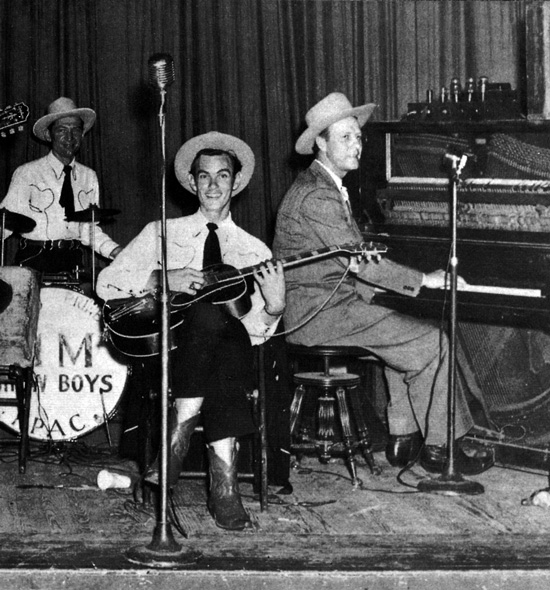
Moon Mullican- “Jole Blon (New Pretty Blonde)” (1947)
If there a song that could be argued as an alternative to “When the Saints Go Marching In” as New Orleans’ most definitive song, “Jole Blon” would certainly be it, what with its countless interpretations and reinventions over the course of the past century. It was Moon Mullican’s breakthrough success with it on the primitive iterations of the mainstream country charts that first transcended it from a regional Cajun standard to a beloved national classic. The country music art-form’s deep connections to Cajun music, which have already been generously displayed on this list, more or less begin with this recording.
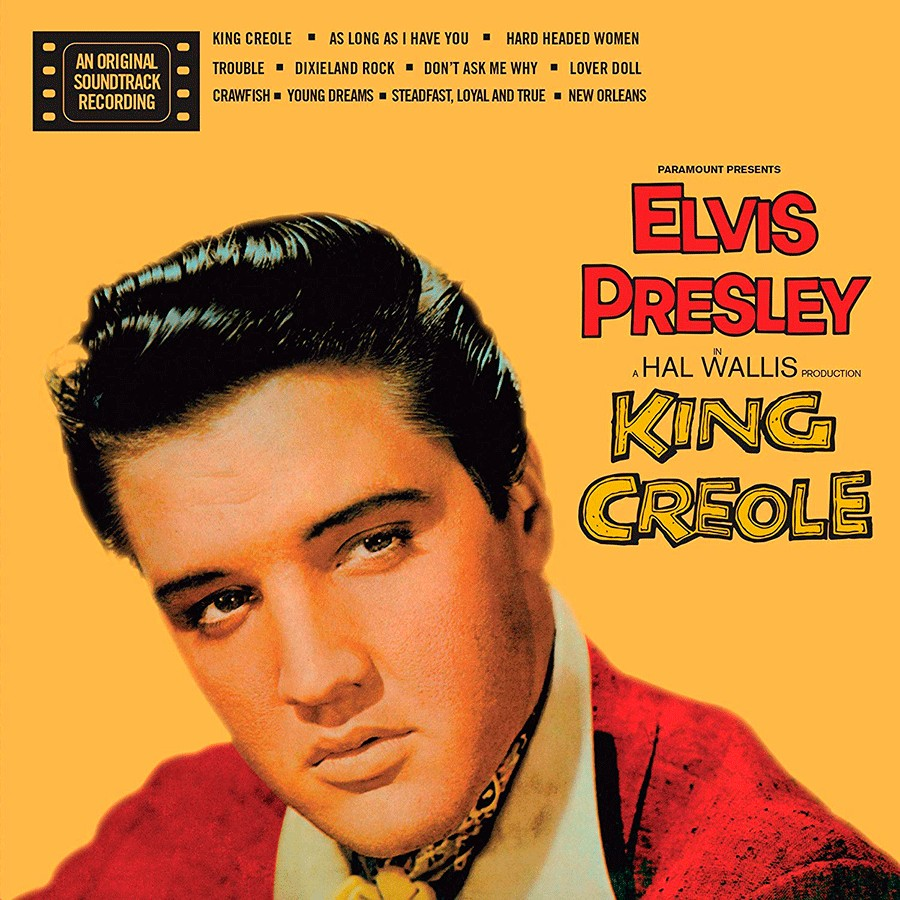
Elvis Presley- “Dixieland Rock” (1958)
It’s probably borderline sacrilege for me not to include the much more celebrated “King Creole” as the Elvis selection on this list. But I’m admittedly more partial to the more swinging “Dixieland Rock”, which merges the red-hot rock & roll sound of Presley’s fifties classics with that aforementioned Creole spirit. This is what “Jailhouse Rock” would have sounded like if the clink in the film had been located in NOLA.

Kermit Ruffins- “Drop Me Off in New Orleans” (Live) (2007)
Recorded at the delightfully divey and renowned Vaughan’s Lounge in New Orlean’s Bywater neighborhood, this is timeless NOLA-styled jazz captured in the storied cozy but electric atmosphere of one of the city’s most essential music venues.

Sweet Emma and Her Preservation Hall Jazz Band– “Down by the Riverside” (1964)
I picked up a vinyl copy of this record during our visit to Preservation Hall, and what a fantastic way to commemorate one of the coolest musical experiences I’ll ever have. The entire record, with its rich and organically raw atmosphere is a treasure to behold, with numerous highlights that abound. I could have placed any of the record’s tracks here, but there is just something special about the interplay between Sweet Emma Barrett and the amazing musicians that has me repeatedly circling back to this wonderful performance in particular.
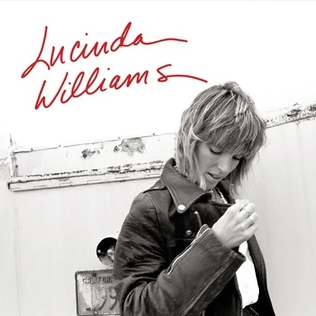
Lucinda Williams- “Crescent City” (1988)
There was a treasure trove of tracks on Lucinda Williams’ self-titled third album that contributed to it becoming the equally moving and electrifying breakthrough that she was waiting on, with this jaunty mix of Cajun country and bittersweet nostalgia among the chief highlights. Her unmistakably twangy warble sounds enticingly optimistic and full of wide-eyed potential against the punchy, luminous fiddle riffs throughout. Her eager anticipation to get back on the other side of Lake Pontchartrain is simply leaping from the speakers here.

Hank Williams- “Jambalaya (On the Bayou)” (1952)
What a fitting finale to our trek through just a small helping of classic New Orleans-themed tunes! The love affair between country and Cajun styles that began with “Jole Blon” a few years prior reached a fever pitch when the reigning King of Honky Tonk unleashed this classic a mere six months before his untimely death. It’s been as significant in carrying his legacy forward as any other classic in his towering canon, and easily resides next to classics like “Jole”, “Saints”, and “Rising Sun” in the annals of Big Easy-lore. Seven decades have done nothing to lessen this classic’s ability to simultaneously make your mouth water and your toes tap.
 The 706
Leave a comment