2026
Our Fantasy Ballot for the year 2026 features a diverse class of legendary acts who mostly operated outside of the Music City infrastructure, as well as a few who fought from the inside to keep the genre’s heritage alive as it unavoidably evolved. They are all colorful and creative pioneers in their own right, whose unique character and influence would instantly give the rotunda more unique energy.
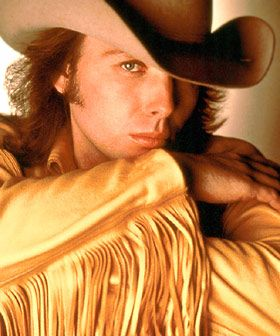
Dwight Yoakam
The definitive hillbilly-rockstar, Dwight Yoakam’s vintage but forward-looking brand of Bakersfield-inspired country-rock felt like an earthquake when it knocked the landscape of mid-80s country music on its glossed-over ass. In the nearly four decades since, Yoakam has remained both a creative and stylistic beacon in the country music sphere and beyond, crafting electrifying records that struck a perfect balance between historically reverent and modernly cool. His music bridged the work of everyone from Buck and Merle to Gram and Emmylou to the contemporary country gold-rush of the 90s, and today he stands as a legend’s ambassador in the world of Americana. His lack of an induction, which was heavily expected this year, remains the Hall’s greatest current omission in terms of post-Urban Cowboy visionaries.

Wanda Jackson
Fifties icons like Elvis, Johnny, Jerry Lee, and the Everlys are often cited when it comes to artists who bridged the gap between the rock & roll revolution and country music, but rockabilly queen Wanda Jackson was easily among the most towering in this regard. Her piping raw vocal performances, gritty material, and progressively sexy stage presence laid the groundwork for generations of prominent female noisemakers across all genres. Jackson walked so that virtually every woman superstar in the country, rock, and pop fields could run. Her refocused commitment to contemporary country material in the 60s, through on to her 2021 farewell album, only solidifies her already strong argument for Hall worthiness.

Lynn Anderson
A bona-fide country show-queen, Lynn Anderson brought a polished sense of Hollywood glitz and crossover appeal to the country scene of the early 1970s. As a regular on the The Lawrence Welk Show, Anderson become one of the genre’s first credible staples on the burgeoning variety show scene, as the modern television landscape further expanded the reach of popular music on a national level. With mega-singles like “Rose Garden”, Anderson carried on the pop chart presence that ladies like Patsy Cline and Brenda Lee had established for Country & Western performers, particularly women, in the preceding years.
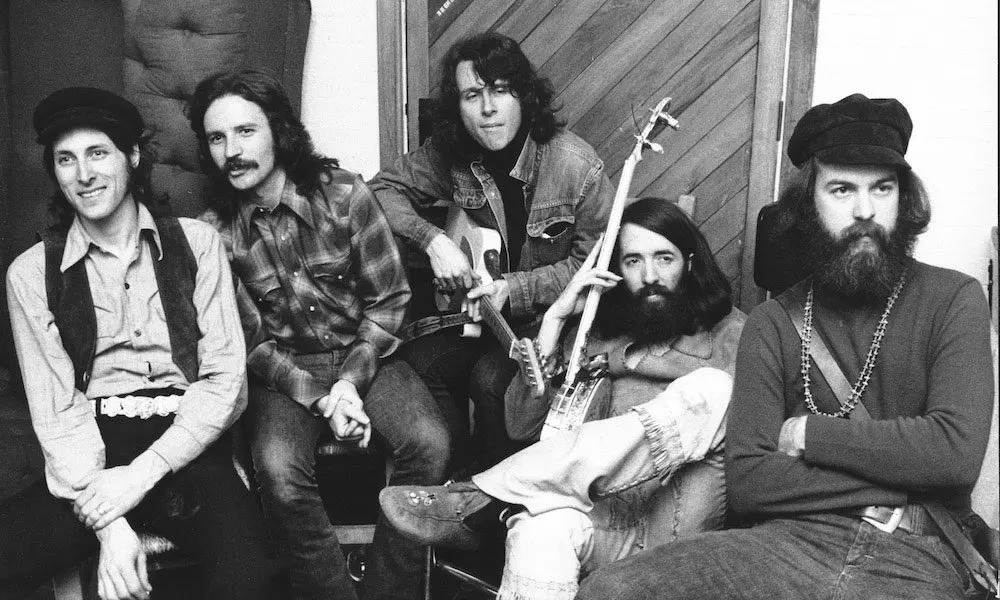
Nitty Gritty Dirt Band
Few bands in any genre of music have ever displayed the stylistic range or pure musical dexterity of the Nitty Gritty Dirt Band, and having originally formed in Long Beach, California, they became natural links between mainstream country and the folk-rock and country-rock movements of the late 60s and early 70s. But they also proved to be among country’s most influential flag-bearers for the genre’s traditional roots, with the recordings of their landmark Will the Circle Be Unbroken albums uniting formative giants of the art-form with the noisemakers of the modern day. Those recordings would have solidified their Hall-bound legacy alone, but the Band continued to enjoy radio success into the 90s and release high-water LPs well into the 2020s.

Billy Walker
Though he is criminally overlooked today, Texas-native Billy Walker was one of country music’s longest running honky tonk heroes, with a catalog of studio albums that spanned nearly twenty-five years, and a regular stint on the Grand Ole Opry that lasted nearly twice as long. In addition to his impressive longevity and sturdy institutional presence, he had a unique and arguably infamous connection to various pieces of country lore. He helped orchestrate Elvis Presley’s debut on the Louisiana Hayride, was the first artist to record a Willie Nelson song (“Funny How Time Slips Away”), and also traded airline tickets with Hawkshaw Hawkins, when the latter perished in that fateful country music flight that also claimed the lives of Patsy Cline and Cowboy Copas.
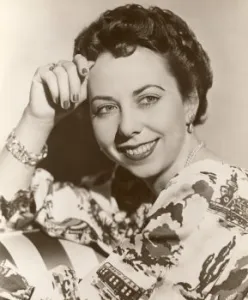
Rose Maddox
As the brazen bandleader of early country favorites, The Maddox Brothers and Rose, and later a solo trailblazer with records that spanned country, rockabilly, gospel and fiddle tunes, Rose Maddox was arguably the first prominent female rebel in the notoriously sexist world of country music. Her role as the bawdy female bandleader of a group consisting otherwise of men would raise eyebrows in Nashville still today, much less in the 1930s. She legendarily bared her mid-drift on the Opry stage in 1956, four decades before Shania Twain stirred controversy by doing so in her modern music videos. She backed it all up with an immense vocal, instrumental, and performance talent that was nothing short of revolutionary. Rose Maddox crawled so that Wanda Jackson could walk.
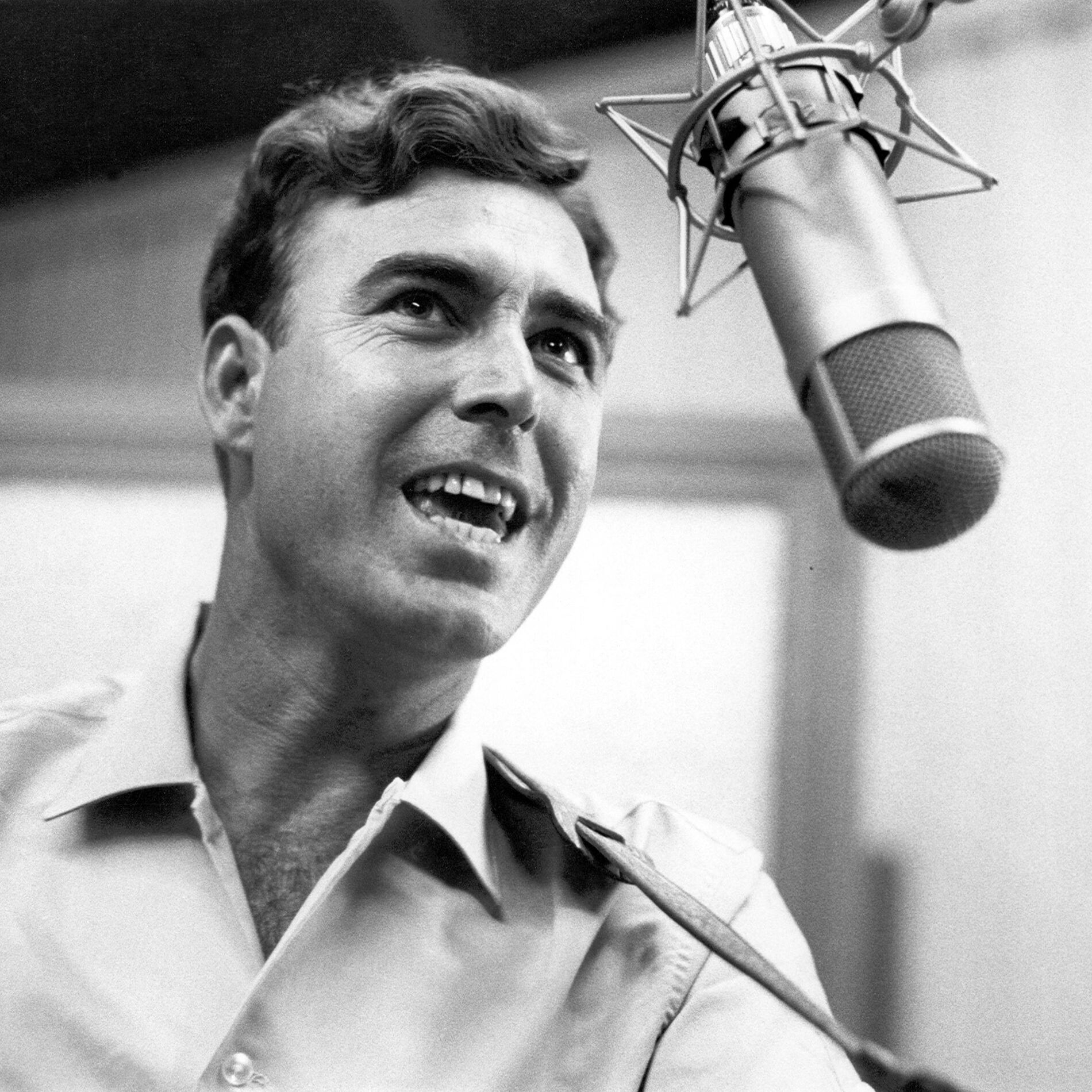
Johnny Horton
Had Johnny Horton’s rising career and life not been cut short by a car accident in the fall of 1960, there’s little doubt that his name would have been as prominent throughout the decade (and beyond) as contemporaries like Merle Haggard, Buck Owens, and the like. With a sparkling sound that served a cocktail of honky-tonk, rockabilly, and folk, Horton carved out a brief but staggering legacy with fabled classics like “Sink the Bismarck” and “The Battle of New Orleans” that transformed the standard country story-song trope into all-out fables. His 1956 debut single, “Honky Tonk Man” would prove its legacy as an early country-rock standard when exactly three decades later, it likewise launched the career of his proposed HOF classmate, Dwight Yoakam.

Charlie Rich
Few country stars of his generation covered as much stylistic ground as the Silver Fox himself, Charlie Rich. Most renowned for his iconic 1973 one-two-punch with the classics “Behind Closed Doors” and “The Most Beautiful Girl”, those bluesy, jazz-inflected country standards were just small, but prominent, samplings of the truly rich range that awaits anyone exploring Charlie’s catalog. His discography is a bounty of rockabilly, soul, country, gospel and blues, and his ability to equally master each of these diverse styles represents a generational talent that the genre has very rarely witnessed.
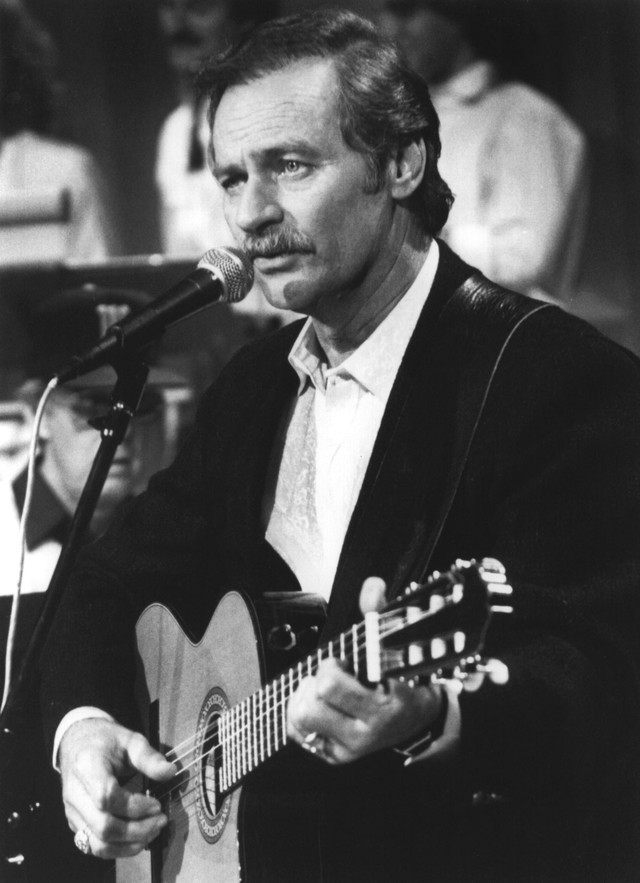
Vern Gosdin
One of country music’s great unsung heroes, Vern Gosdin is far too often overlooked when celebrating the neo-traditionalists that helped keep country’s roots alive throughout the 1980s. Much of this can be attributed to the fact that between his sheer consistency and lack of flash, Gosdin was just so good that it became easy to take him for granted. That needs to end with the long overdue Hall recognition for a man who quietly built one of the most solid runs of stone (pun-intended) country hits in history, from “Hangin’ On”, “Till the End”, and “If You’re Gonna Do Me Wrong (Do It Right)” to “Set ‘Em Up Joe”, “I’m Still Crazy”, and of course, “Chiseled in Stone”.
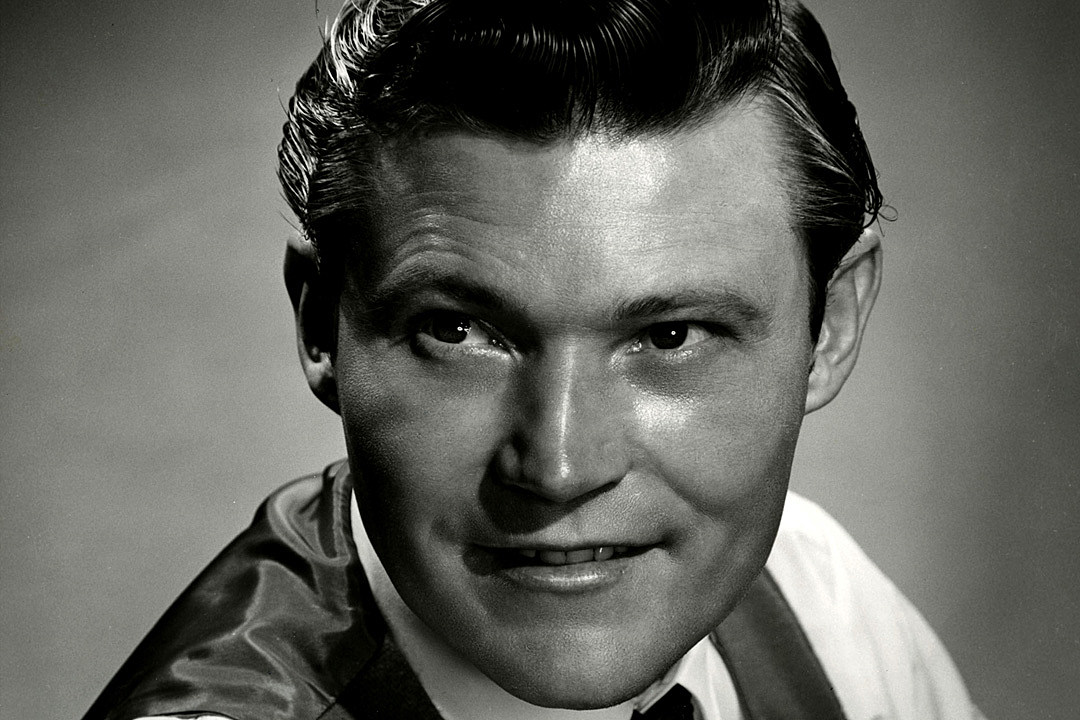
Stonewall Jackson
Simultaneously a honky-tonk pioneer in the genre’s golden age, and one of the first country acts to score a bona-fide crossover smash with 1959’s “Waterloo”, Stonewall Jackson amassed a monstrous collection of hits, scoring nearly forty chart hits in just the thirteen year span between 1958 and 1971. His impact would extend for decades more, becoming one of the most prolific staple performers at the Grand Ole Opry. His role as a champion for the genre and the Opry’s heritage was one he took very seriously, and it reached a fever pitch when he sued the Opry management for age discrimination in 2006, and won. He remained a member until his death fifteen years later. He belongs in the Hall not only for his musical accomplishments, but for his unflinching commitment to preserving the history he helped create.

John Prine
Simply put, there’s never been and never will be another singer or songwriter quite like the great John Prine. His unique and timeless ability to weave, write, and perform a story with that gifted blend of depth and humor has forever placed him in a class all his own. His enigmatic catalog of songs has blessed fellow artists and music lovers alike with some of the most charming and potently powerful standards of the past fifty years, and his influence is prominently celebrated across the country, rock, and folk idioms. He’s a special kind of musical poet, worthy of inevitable induction in both Halls.
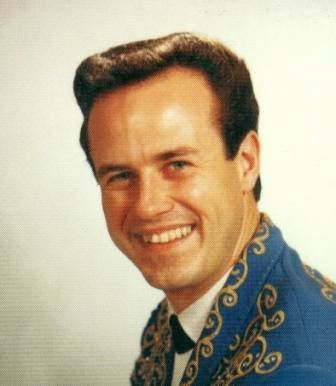
Don Rich
To call Don Rich the most legendary of all sidemen in country music is both accurate and far too limiting in its acclaim. As both the best friend of Buck Owens and the compass of Owens’ band, The Buckaroos, Rich was at the heart of one of the most impressive and cherished hit-streaks in country music history; aiding Owens in conquering the country landscape with the electrifying and now-iconic Bakersfield Sound. But Rich was far more than a sideman, or the renowned comedic relief in Owen’s popular stage show. He was a deeply talented guitarist, fiddler, and musical storyteller in his own right. Buck is the first to admit that the magical run of music he achieved in the 60s wouldn’t have occurred without Rich, and its the devastation of his tragic death in 1974 that essentially sent Owens into early retirement. That’s a sad fact to use in illustrating Rich’s importance, but ultimately stands only as additional evidence that he belongs beside Buck in the hallowed Hall.
 The 706