2030
Our country music version of Fantasy Ballots concludes with the dawn of the 2030s, and another diverse class of would-be inductees, featuring mainstream icons, underrated hit-makers, and underground cult-heroes.
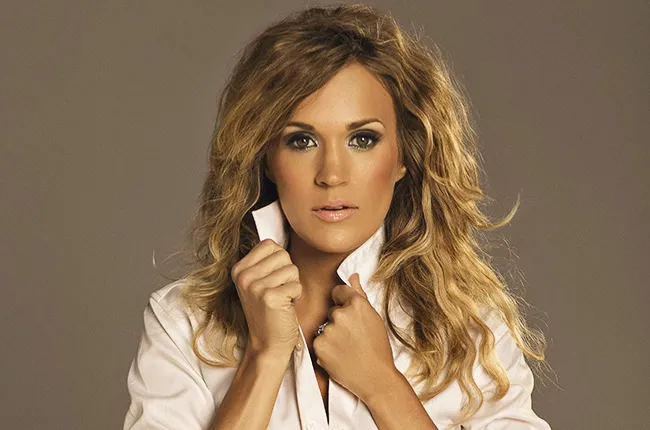
Carrie Underwood
The preeminent female country entertainer and the best pure vocalist of her era, Carrie Underwood began dominating the country music landscape almost immediately after walking off the stage of American Idol, the reality singing competition that she won at the 2005 height of its cultural dominance. She quickly asserted herself as far more than a reality television product, through the sheer power of her stunning vocal gift, but also by immediately and continuously honing her skills as a songwriter, lyrical interpreter, stage entertainer, and as a deeply satisfying albums artist. This was all in addition to achieving two dozen #1 or #2 radio singles, essentially serving as the final chart queen during country radio’s dying days as a relevant platform. Along the way, she emerged as one of the genre’s proudest ambassadors, through her steadfast commitments to the Grand Ole Opry and by co-hosting the annual CMA Awards for a dozen years running. She reigned supreme as a pure, core country superstar, in a time when the very definition of such a thing was rapidly evolving.

Brad Paisley
Emerging in 1999, Brad Paisley was instantly touted as a new traditionalist for the new millennium, and while he certainly has upheld those expectations in the quarter-century since, he evolved into far more than just another honky-tonk darling. Mixing humble country roots, an affinity for down-home humor, and rock-God level guitar mastery, Paisley allocated an impressive catalog that was faithfully rooted in classic country, but also ever-present in the modern world. Like his eleven-time CMA co-host Underwood, Paisley helped champion the Grand Ole Opry for a new generation by balancing a steady Opry schedule with a run as one of the format’s hottest headlining concert acts, scoring twenty-seven of his own top-two hits. It remains to be seen where Paisley’s own legacy arc will lead, with intermittent signs indicating that there’s artistically progressive work bubbling in the tank, but his status as a genre legend is cemented regardless.
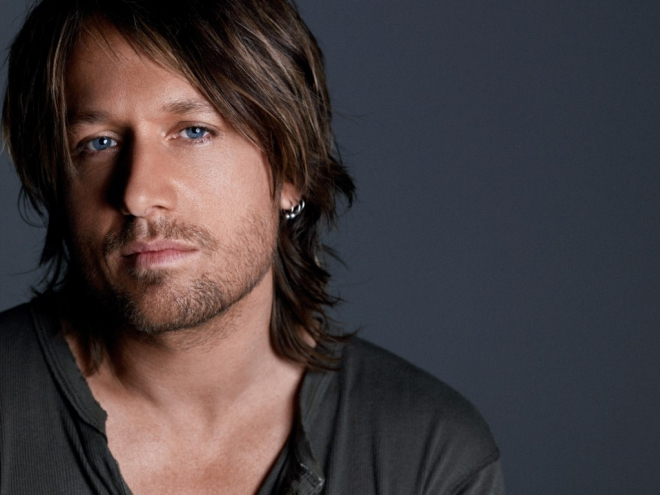
Keith Urban
A country music rock star for the new millennium subset, Australian Keith Urban finally broke through to blockbuster levels of country fame in the early 2000s, after toiling on the underground both state-side and in his home country for the majority of the 90s. The banjo-rock bedrock of his album releases in the Y2Ks brought a polished yet ruggedly fresh energy to the country airwaves. It also provided him with the perfect setlist to build his relentless string of electrifying arena tours around, establishing him as one of the most in-demand live performers in any genre. His combination of rollicking country-rock anthems and passionate love songs endeared him to the perfect demographic sweet-spot, and kept his profile high throughout the 2010s, as he shifted to a more electronic pop sound rather than succumbing to the bro-country doldrums of the day. His immense support of the Hall of Fame Museum through his years of annual “All for the Hall” benefit concerts will make his inevitable induction all the more sweet as well.

Miranda Lambert
Few artists did more to maintain the artistic integrity of country music during the sonically and creatively vapid times from the late 2000s onward than Miranda Lambert. Though she was a critical darling right out of the gates, it took longer for her to reach the mainstream success she was undoubtedly worthy of. She achieved it on her terms, never wavering from her Red Dirt roots or conviction in both traditional and progressive country tastes. In the twenty years since her arrival, she’s accumulated what is inarguably the most consistent and deeply rewarding canon of mainstream LPs of her era, following in the footsteps of obvious album-oriented influences like Emmylou, Patty, Trisha and the Chicks. Now operating outside of the major label system, her output only stands to be more fiercely independent, creative, and rewarding, setting the stage for what could be one of the most rewarding legacy acts in country history.
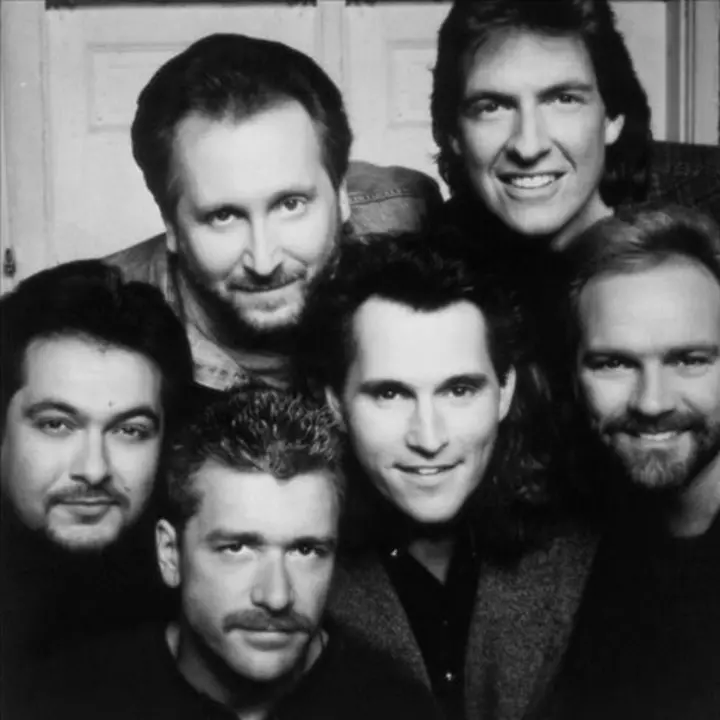
Diamond Rio
Combining classic high-lonesome harmonies, polished 90s production, exquisite instrumental dexterity, and a knack for seamlessly blending both rock and gospel influences into their country, Diamond Rio undoubtedly deserves to be in the same conversation as acts like The Chicks and Alison Krauss & Union Station when it comes to sensational country ensembles. In fact, although they never quite reached the same sales heights as either act, they were most certainly the group that bridged the gap between Alabama and the Chicks’ record-breaking runs, solidifying the notion that country music could have its own ecosystem of commercially successful bands, as had been common place in rock for decades. The fact that they themselves exclusively played the entirety of their own music on their recordings, bucking the common Nashville practice of groups using session musicians, only further emphasized their musical bona fides, while progressing the Music City system forward in the process.

Larry Gatlin & the Gatlin Brothers
With his brothers, Steven and Rudy by his side, Larry Gatlin parlayed his deep songwriting talent, glitzy showmanship, and the trio’s gospel-tinged family harmonies into a string of successes on both the country and pop charts in the 70s and 80s. The slick Countrypolitan stylings, and later uptown Urban Cowboy influences of the era proved to be tailor made for the sibling trio. Their music owed as much to a flashy Las Vegas show as it did a sawdust floor, and mega-hits like “All the Gold In California” and “Take Me To Your Loving Place” elevated the Gatlins to the same levels of superstardom enjoyed at the time by the likes of Kenny Rogers, Barbara Mandrell, and Mickey Gilley, with their unique vocal blend instantly setting them apart on both country and pop playlists.
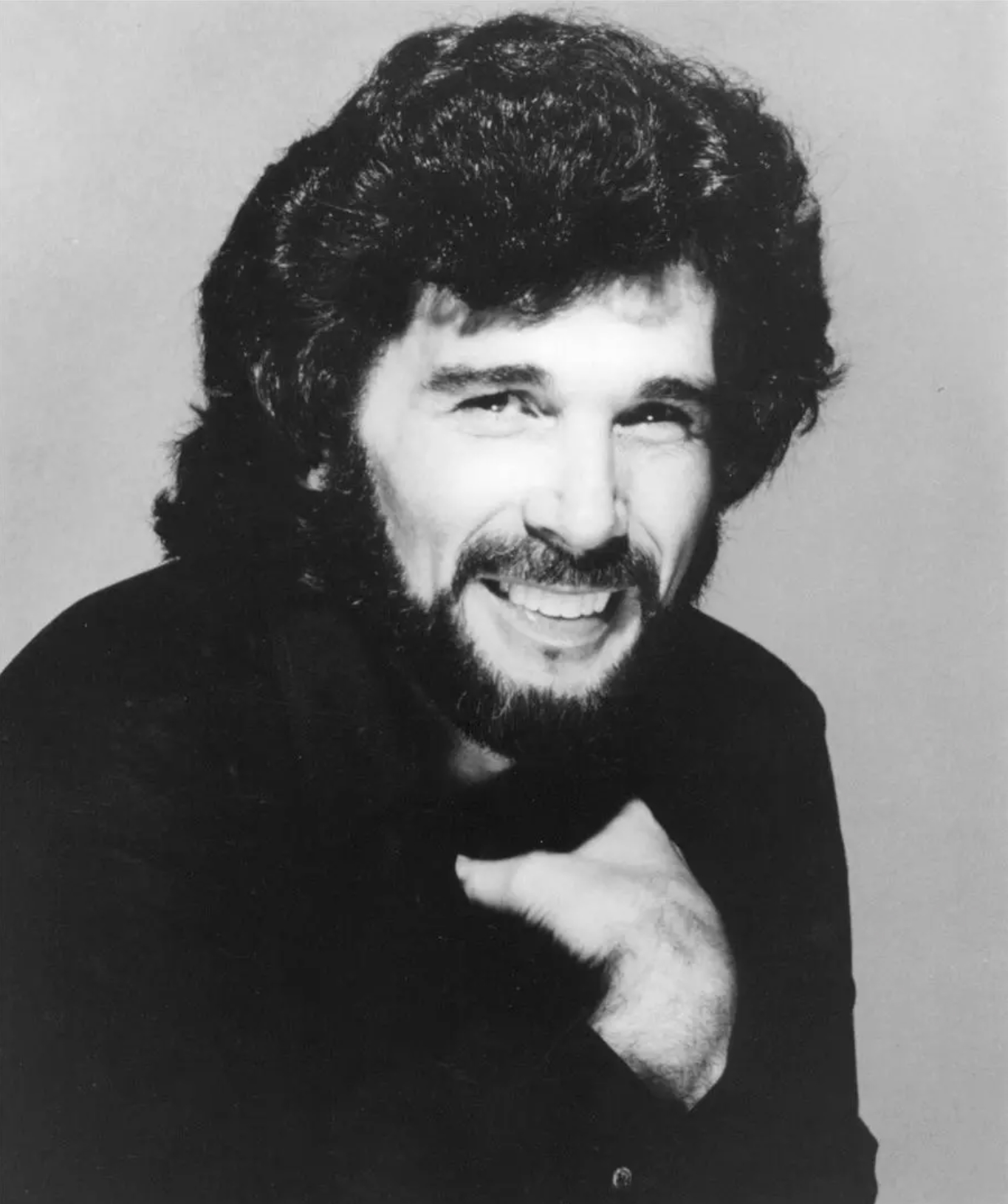
Eddie Rabbitt
He hit songwriting pay-dirt in the first half of the seventies by penning classics like “Kentucky Rain” and “Pure Love” for respective icons like Elvis Presley and Ronnie Milsap. But by the end of the decade, Eddie Rabbitt was a recording chart juggernaut in his own right, dominating the country hit parade with gems like “Drinkin’ My Baby Off My Mind”, “Every Which Way But Loose”, and “Suspicions”. As the 80s launched, his rock and pop-friendly country sound had him primed to become one of the Urban Cowboy era’s leading crossover superstars, a prophecy he fulfilled with the success of national favorites like “Drivin’ My Life Away”, “I Love A Rainy Night”, “Step By Step”, and “You and I” with Crystal Gayle. Rabbitt’s chart stamina and popularity within the country format ultimately outlasted many of his contemporaries as tastes shifted back toward traditionalism in the late 80s, with his epic top ten streak extending into the 90s.
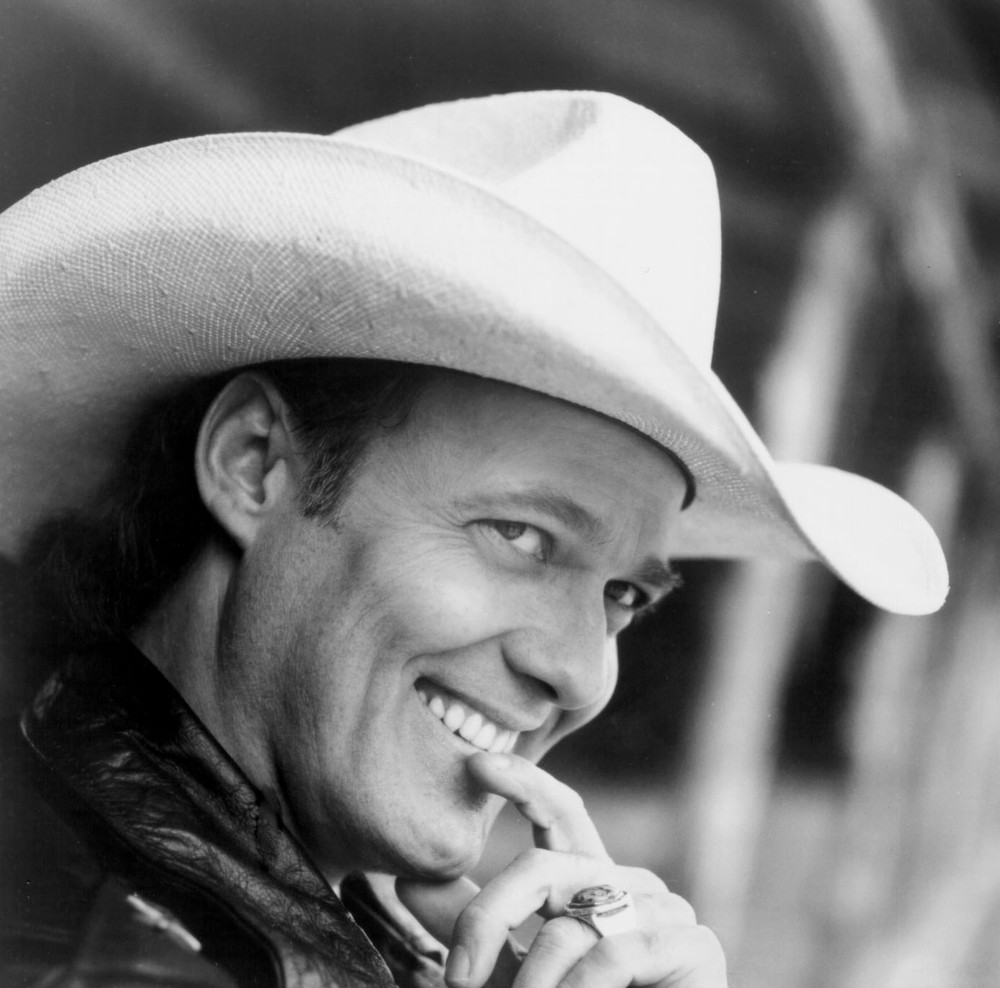
Ricky Van Shelton
So much credit is (deservedly) bestowed upon members of both the Class of ’86 and Class of ’89 for guiding country music back to its core and setting the stage for the gold rush of the 1990s. Ricky Van Shelton is one significant name who emerged in the interim period between those banner groups who is unfairly overlooked in that conversation, and who is deserving of much recognition for leading the cause. Shelton took the country scene by storm when he debuted in 1987, ushering in a seemingly endless streak of hits that brought classic country sounds and themes of the past into the contemporary present. He had equal success with original material as well as unearthed gems from country’s golden past, and as the 90s dawned, Shelton was one of the industry’s most in-demand superstars, and heralded by many as the future of the genre. Although that was a role he ultimately surrendered to peers like Garth Brooks and Alan Jackson, RVS laid a solid foundation for those acts and has for too long been an unsung hero of country music’s modern big bang.
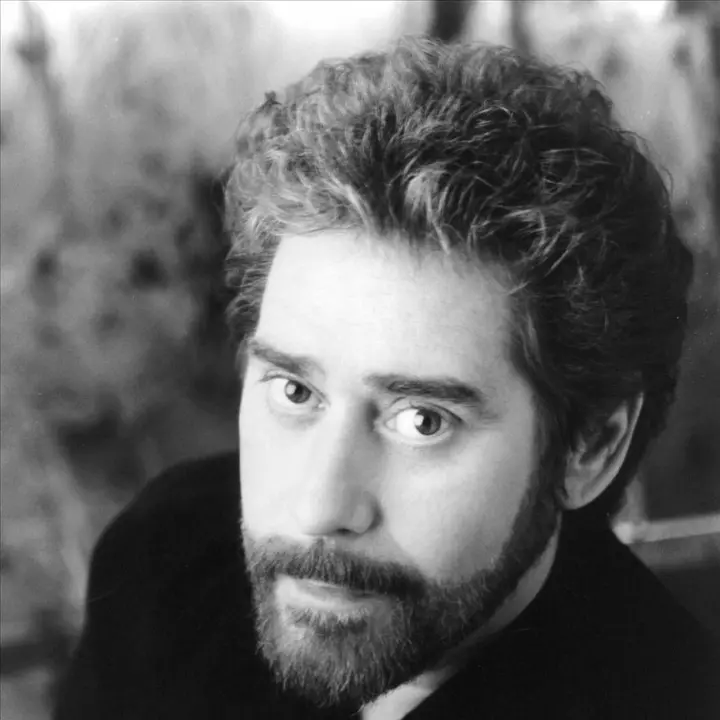
Earl Thomas Conley
Another rather unsung hero from his era, few artists dominated the country airwaves in the 1980s with more ferocity than one Earl Thomas Conley. In fact, only legends like Alabama and Ronnie Milsap charted more No. 1 singles during that decade that Conley, who many rightfully hailed as an artistic beacon in the genre during the creative and sonic uncertainty of the era. Like Don Williams before him, his soft-spoken demeanor made him an unlikely but refreshing superstar, and the eighteen singles he sent to the top struck a tasteful, and for the time, unusual balance between a core country sound and the influences of other genres like rock, folk, and even soul. Collaboratively, he found success with everyone from Randy Scruggs to Keith Whitley to Anita Pointer, with the latter union opening the doors for him to become the first and only country star to perform on the legendary stage of Soul Train.

Lorrie Morgan
A second generation Opry star (and if this ballot becomes more than fantasy, Hall of Famer as well), Lorrie Morgan was a melodramatic heartbreak queen in the classic country vein of primary influence Tammy Wynette, but with a flashy and contemporary 1990s flare. Under the tutelage of her famous father, George Morgan, she made her Opry debut as a teenager, beginning a long tenure as a touring performer that would given her the industry crash-course needed to launch her own recording empire upon signing with RCA Records in 1988. Thus began a storied catalog that unapologetically indulged in everything from her deep country roots to her alluring sex appeal to the juicy romance of her six marriages (including unions with fellow artists Keith Whitley, Jon Randall, and Sammy Kershaw). Morgan’s music was both sultry and substantive, bridging both the genre’s style and imagery of periods defined by fellow country sex symbols like Tanya Tucker and Shania Twain, resulting in more than forty hit singles throughout the 90s. Her legacy arc has been just has fascinating, highlighted by reverent covers, bold original material, and a pair of fabulous duet albums with fellow second-generation trailblazer, Pam Tillis.
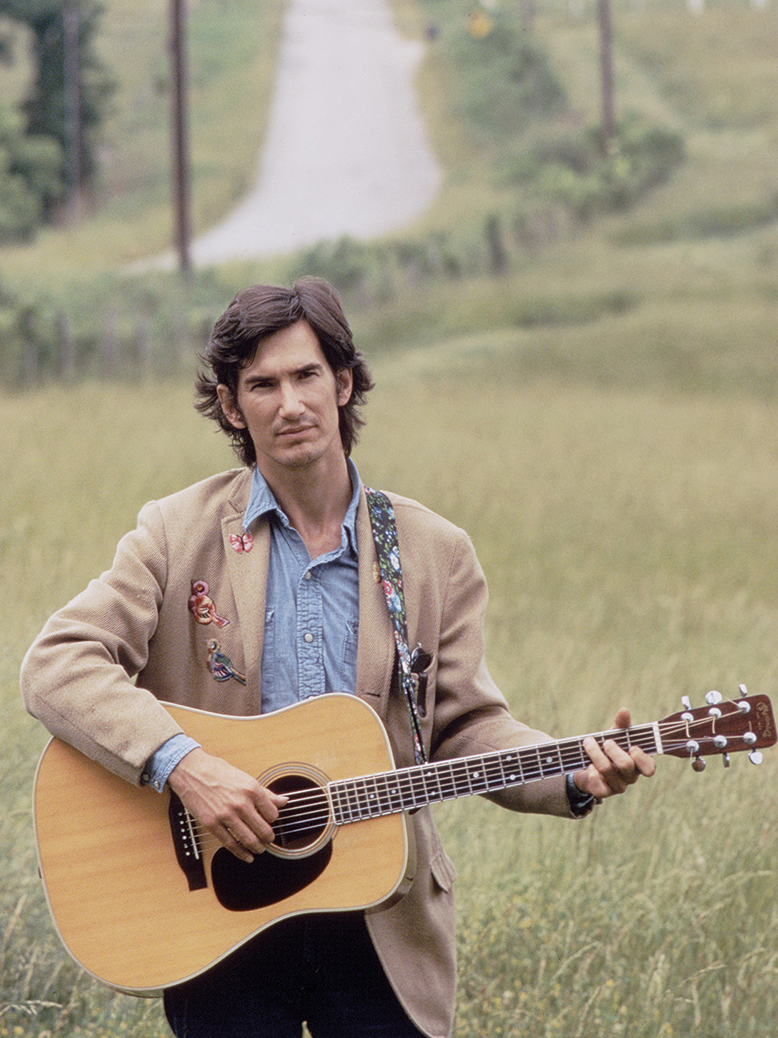
Townes Van Zandt
The entire trajectory of country, rock, and Americana music would look entirely different had Townes Van Zandt never picked up his songwriting pen. Another bona fide musical poet rising out of the same fabled Texas music scene that gave the world contemporaries like Guy Clark, Billy Joe Shaver, and Jerry Jeff Walker, Van Zandt produced exalted Outlaw standards like “Pancho & Lefty”, “If I Needed You”, and “To Live Is To Fly”, through both his own cherished recordings and covers by superstars like Waylon Jennings, Willie Nelson, Emmylou Harris, Don Williams, and Rodney Crowell. His music was yet another glorious example that the rugged, humble simplicity of country music was no cause to doubt the poetic beauty, grace, and brilliance that the art-form was capable of in its finest forms. His death at the age of 52 in 1997 robbed music-lovers of what would have surely been a much larger lexicon of classics, but his influence on Red Dirt and roots songwriters remains as staggering today as it ever has.
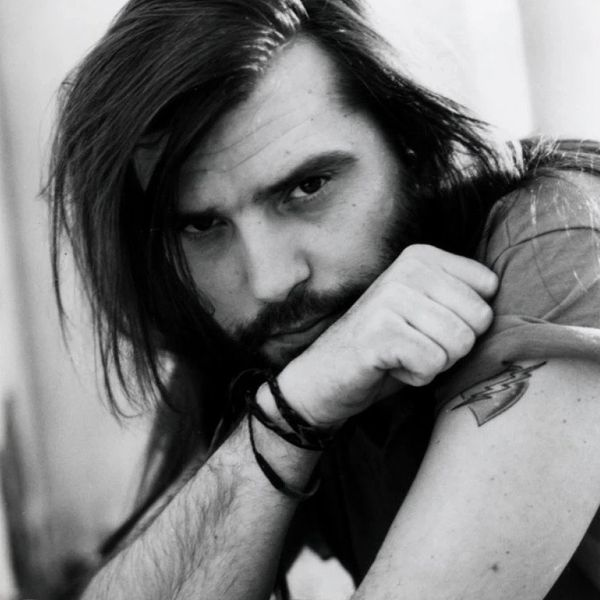
Steve Earle
It would truly be poetic justice for country-rock icon Steve Earle to join his fellow HOF-long shot and greatest influence Townes Van Zandt on the same induction ballot. Of all the great artists that have carried the influence of TVZ into the contemporary era, no artist has done so as prominently than Earle, who went so far to name his own son, and another brilliant artist in his own right, after Townes. Outside of Rodney Crowell, Earle also represents the closest any of the artists from that beloved era of Texas country ever came to mainstream prominence. His 1986 debut, Guitar Town was an unmitigated country-rock landmark, spawning a run of hit singles, casting him as a momentary genre savior with the likes of Randy Travis and Dwight Yoakam, and earning numerous proclamations as country’s very own “Springsteen”. Of course, Earle’s fierce rebellious streak was not long for coexistence within the Nashville system, which was all for the better. His refusal to conform and ambitious stylistic scope paved the way for one of the truly great catalogs of its time, with Earle earning acclaim in circles as disparate as bluegrass and hard-rock, and like Townes before him, tethered him to a new generation of musical journeymen.
Previous: Part IV: 2029
Next: Conclusion
 The 706