
Bruce Springsteen, Darkness on the Edge of Town, 1978
Label: Columbia
Producers: Bruce Springsteen, Jon Landau and Steven Van Zandt
Released a long and arduous three years after his monumental breakthrough with Born to Run, a period marred by legal battles with now-former manager Mike Appel, Darkness on the Edge of Town proved to be a worthy follow-up in the wake of the more streamlined, box-office transformation brought on by its predecessor. Like any Springsteen classic, Darkness offers its share of triumphs, but is fittingly more stained with turmoil and sadness as it boasts some of the artist’s most complex and introspective tales, which is obviously saying something. It’s also one of his most cohesive records in terms of overall flow and presentation. The diverse emotions of each tune are bound together by the brilliant, riveting classic rock chops of Bruce and his troops in the E-Street Band who have now unquestionably grown into the diverse but grounded musical identity and sound that would become their defining trademark. The resulting record makes for what remains even four-plus decades later, one of Springsteen’s most thoroughly stirring and entertaining albums.
The album begins on a glorious note with the roaring heartland rock of “Badlands”, an infectious anthem bursting with rollicking guitar riffs, Roy Bittan’s beaming piano strokes, Clarence Clemons’ signature sax solos and Springsteen’s booming voice in all its unfettered glory as he declares “It ain’t no sin to be glad you’re alive…I’m gonna spit in the face of these Badlands!”. The title and the storyline hint at the darker tones to follow on the album, but there is redemption and perseverance in the face of those dashed dreams. It was an expertly arranged and performed opener that immediately announced to Springsteen devouts that the record would be worth the years-long wait.
The proceedings immediately take a darker, but no less thrilling turn with the grim and slicing hard-rock sound of “Adam Raised A Cain”. The ferocious guitar opener sets the stage for one of Springsteen’s most brutally haunting vocals, as he uses Biblical references to depict a troublesome father-son relationship that was all the more gripping thanks to the autobiographical nature of the performance. Springsteen has rarely rocked any harder than he does here with the track offering an almost heavy metal-meets-punk undercurrent.
Those dark elements bleed through the rest of the record almost uninterrupted in a variety of different narrative settings. “Something In the Night” revisits some of the classical influences of sequences on Born to Run, with a beautiful piano backdrop and a soulful, almost ghostly wail from Springsteen that allows the song to speak like a powerful sequel to “Backstreets”. Meanwhile, “Candy’s Room” proves to be one of his most mysteriously haunting gems, colored with the classic Springsteen tinges of dark loneliness and just a dash of hope lingering ever so slightly underneath. Like so many of his great songs, the nature of it is ambiguous and leaves more questions than answers. Is Candy a prostitute? Is she simply used and abused? Either way, she’s obviously very important to the narrator. Elsewhere, the more simplistic and stripped down “Factory” once again claims his throne as a premier voice for the blue-collar listener. Displaying his more folk-oriented roots with a visual story-setting and a country leaning humility, the tune would have been at home on any of Merle Haggard’s landmark 60’s LPs. It boasts one of his most moving but overlooked lyrical moments: “End of the day, factory whistle cries. Men walk through the gates with death in their eyes/The work, the work, the working life.”
Concluding Side One of the album is one of his most revered and covered classics, “Racing In the Street”, a nearly seven-minute epic that is perhaps the most stunning showpiece of the entire record. An undeniable standard in his catalog, “Racing” is the portrait of a beaten down character looking for an outlet for all that’s resting on his shoulders. He ultimately finds it, but in many ways it only seems to emphasize the empty, sinking nature of the remaining parts of his life. Incredibly ripe with a tortured sense of longing, desperation and disappointment, it’s almost as if it’s taken the hopeful man from “Born to Run” and revealed the broken shell that he is now. All that hope is a distant memory now and it’s clear that those fast lanes don’t always take you where you’re dreaming of; a reality that is particularly devastating in the final verse about the man’s depressed, decaying wife.
With that being said, not all hope is lost as the second side of the record begins. Easily the most infectiously memorable track of the project, “The Promised Land” is one of the most joyous in the Boss’ canon. The inspiring harmonica licks will instantly latch to your brain and the great, driving nature of the song will demand to be sung along to at the top of one’s lungs. The band is completely on fire here, making for a tune tailor made for stadiums and summing up everything that was so great and inspiring about the E-Street ensemble. The classic stain in his voice is still there, but there’s also a lingering sense for escape that’s about to be fulfilled. Although laced with more tension, “Prove It All Night” is likewise an urgent and inspiring anthem that attests to the proven perseverance and courage of a man that still dares to dream and love with every fiber of his being. It’s further elevated with a sense of seduction that lingers in the vocal, and is topped off with the kind of brilliant sax solos that only Clemens could pull off. The pulsating urgency and passion of these cuts parlays into the frank and cutting nature of the closing title track, a performance rich with tremendous vocal and instrumental interplay between Bruce and the band.
In reality, “Darkness” is not necessarily the doomed fate it might suggest and it actually concludes the album on a hopeful note. The edge of town may actually be where that release and escape longed for elsewhere in the album is finally found. There’s a cost and sacrifice in finding it, but isn’t that true to all of life’s freedoms? It carries a lasting impact and makes for a tremendous finale to what many argue remains Springsteen’s greatest album to date.
No matter how many times you’ve heard it, Darkness On the Edge of Town remains a thrilling and captivating musical ride from start to finish. It may not have given Bruce Springsteen the long-awaited commercial standout that Born to Run seemed to prepare him for (that was still the better part of a decade away), but it did ultimately confirm his artistic arrival and the E-Street brilliance that Run finally awoke a larger audience to. None of the songs here were hits in the traditional sense; but nearly half of them became classic rock staples and some of the most revered moments in his expansive catalog. The very best way to experience this music though is still listening to it as a singular body of work. It rocks, resonates, challenges, and thrills the listener at every turn. It’s not just one of Bruce Springsteen’s defining moments, but one of rock music’s as well.
Track Listing:
- “Badlands” (Bruce Springsteen) *1978 Single Release
- “Adam Raised A Cain” (Springsteen)
- “Something in the Night” (Springsteen)
- “Candy’s Room” (Springsteen)
- “Racing in the Street” (Springsteen)
- “The Promised Land” (Springsteen) *1978 Single Release
- “Factory” (Springsteen)
- “Streets of Fire” (Springsteen)
- “Prove It All Night” (Springsteen) *1978 Single Release
- “Darkness on the Edge of Town” (Springsteen)

Previous: Born to Run
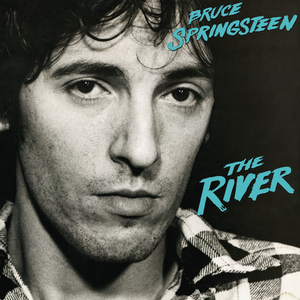
Next: The River
 The 706