2026
Our inaugural Rock & Roll Fantasy Ballot enshrines big-selling and critically acclaimed bands from the 70s through the 90s, contemporary chart-toppers, and a group of criminally ignored early influences from both during and before rock & roll’s infancy days.
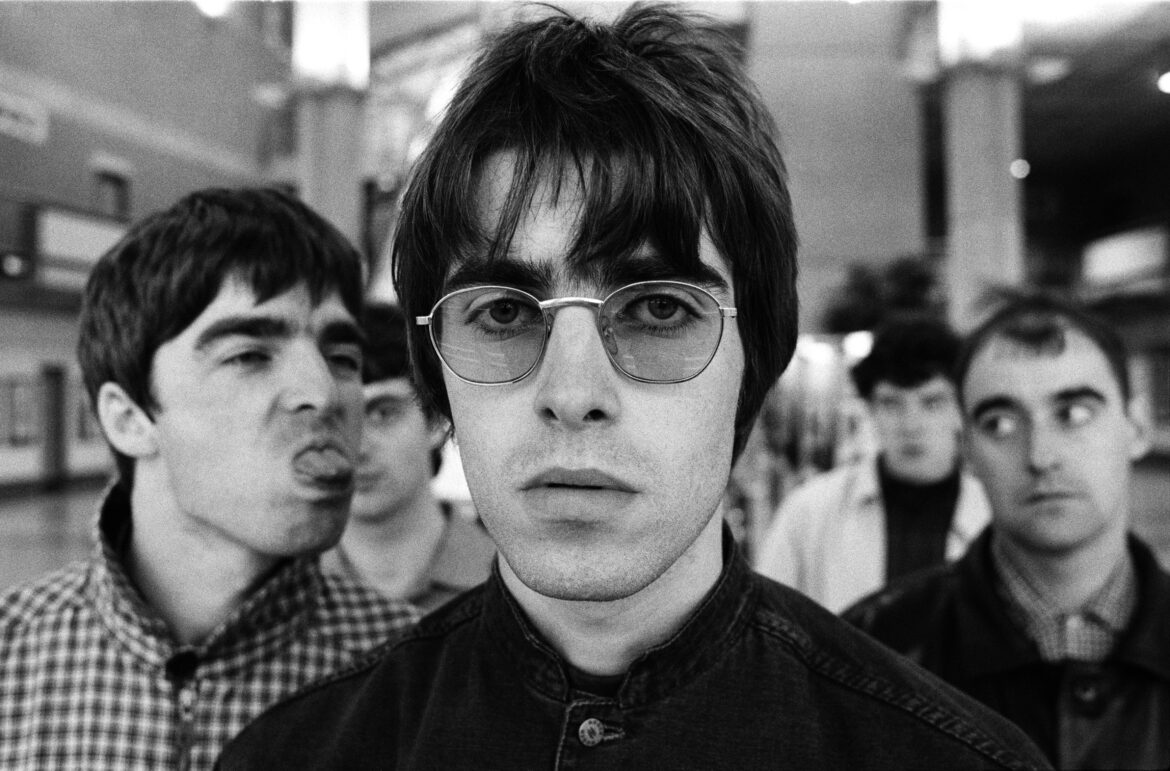
Oasis
Of all the iconic 90s bands that are now in the eligibility line for induction, the most passionate groundswell of support is arguably surrounding Oasis, the Britpop innovators who, like so many great Britist bands before them, parlayed their rising star status in their home country into international superstardom on the other side of the Pond. Starting with their landmark sophomore album, 1995’s (What’s the Story) Morning Glory and its seminal centerpiece, “Wonderwall”, their sharp and moody records pivotally soundtracked the fleeting years of the twentieth century, and undoubtedly shaped the sound for both indie and mainstream rock as the new millennium dawned. Also like many great bands before them, internal dissension (specifically between the brothers Gallagher) often got in the way and likely limited their prolificacy. Regardless, their body of work is staggering, influential, and comprises a legacy well secured.
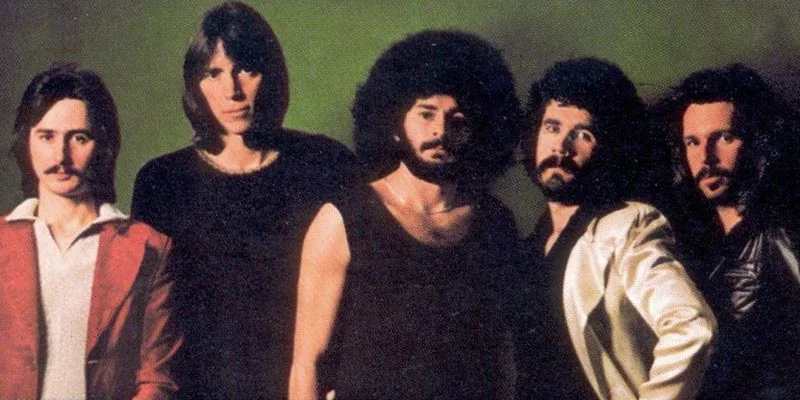
Boston
One of the most prominent bands of the Classic Rock era still eluding induction, Boston became one of music’s most lucrative box-office attractions right out of the gate with their legendary 1976 debut. This ushered in a healthy streak of smash albums and radio anthems like “More Than A Feeling”, “Peace of Mind”, “Foreplay/Long Time”, “Feelin’ Satisfied”, “Don’t Look Back”, “Amanda”, and more. Their slick yet authentic sound married vintage rock & roll sounds with the trendy electronic effects that were permeating the rock and pop sounds of the day, helping to bridge a gap during a sonically transitional time in mainstream music as a whole. Their stamina in both record sales and as a headlining tour attraction extended through the 1980s, and despite a series of line-up shifts and tragedies, they remain a vital legacy act nearly a quarter-century since the release of their first record. Their songs and sound have carved out their own indelible chapter in the popular music story.
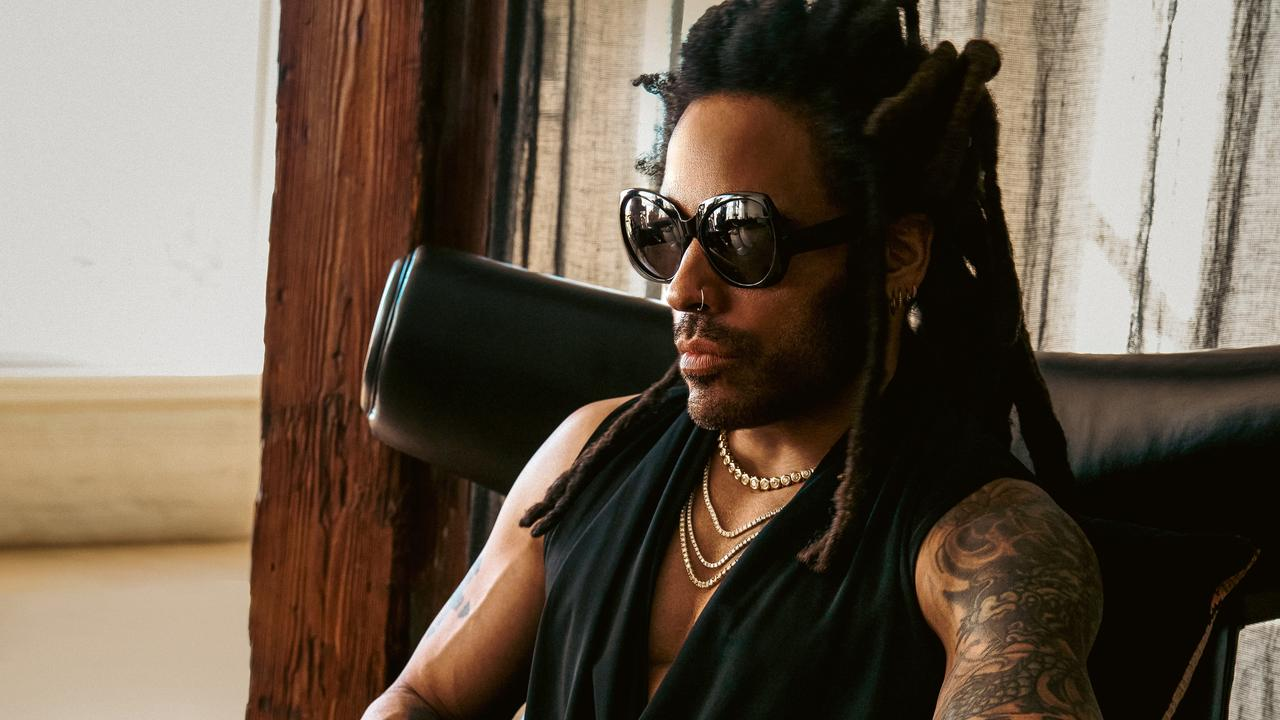
Lenny Kravitz
By the time Lenny Kravitz arrived on the mainstream rock scene at the dawn of the 1990s, the genre was rising from the glam-stained ashes of the 80s and hair-metal, and would soon be thrust into the grunge and alternative movements of the next several years. Meanwhile there was Kravitz who, though unafraid to concoct a melting pot of sounds including funk and R&B, obviously wore a pure rock & roll heart on his sleeve. As his hit-streak grew throughout the nineties and into the new millennium, his music represented a genuine and respectable balance between classic rock themes and sounds, top-forty tastes, and a wide-open vision for the rock of the future. As the distance in time between the origins of rock & roll and the present day grew, naturally so did the genre’s sonic connections to the past. Yet, Kravitz’s music consistently possessed a through-line back to artists as vast as Jimi Hendrix, Led Zeppelin, The Beatles, and Marvin Gaye, a quality that remains in his output to this day.

The B-52s
One of, if not the, most colorfully splashy and entertaining bands in the annals of rock, and all of popular music. The B-52s emerged from the musical underground in the late 1970s, and with their left-of-center stylings and equally kitschy aesthetic, the group went on to help define the truly wide-open spirit of music in the 1980s. It may have been easy throughout the passing decades to relegate the group to the campy, cult fringes of the industry, but there is no denying the power and durability of their sizable batch of hit songs and inimitable stage-shows. Besides, I’ll always argue that there’s a legitimate corner of respect for acts that so seamlessly indulged in the more cartoonish and outright fun qualities of pop and rock music. But there’s no discounting that in the B-52s, the rock audience was also genuinely provided with spirited emblems of the New Wave, post-punk, and dance-rock movements. They’re long overdue to permanently etch their indelibly stylish mark on the Rock Hall.
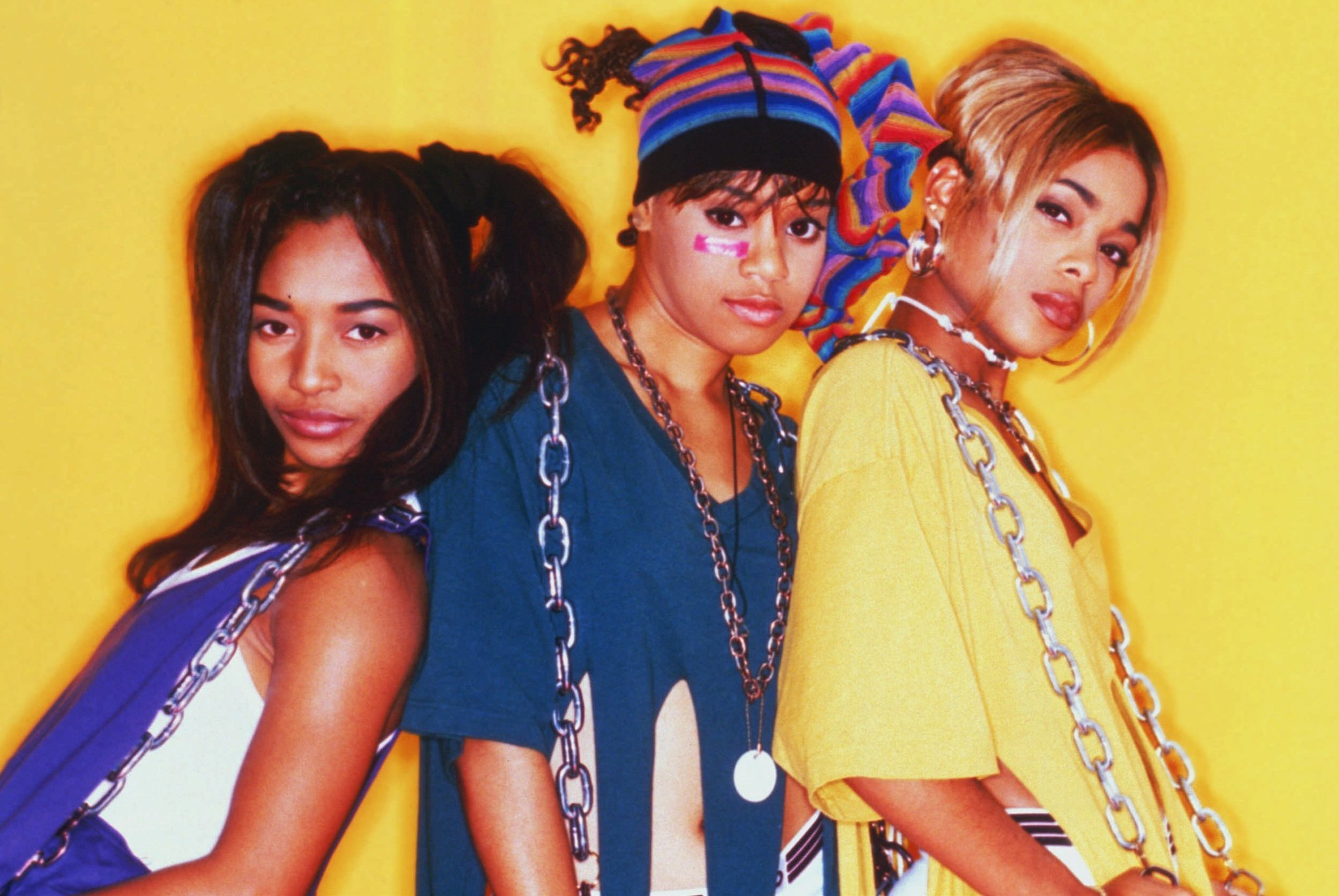
TLC
Unleashing an army of hit jams throughout the 1990s, TLC helped bring the traditions of girl-groups into the contemporary era, while also becoming innovative cornerstones of both modern R&B and the latter days of the MTV-era. With iconic hits like “Waterfalls”, “No Scrubs”, “Creep”, “Unpretty” and many more, the trio found creative new ways to blend the stylings of funk, R&B, Hip-Hop, and New Jack Swing. In turn, they crafted a wholly unique and insatiable sound that has proven to be influential for a wave of artists that have followed their path in the decades since, including Destiny’s Child/Beyonce, Rihanna, and beyond. With more than sixty million records sold, TLC ranks as one of the most lucrative acts of the golden CD era, and second to only The Supremes in terms of all-time best-selling girl groups. Though inner-turmoil and tragedy (specifically the 2002 death of Lisa “Left Eye” Lopes) would cloud their history, they’ve persevered as a duo, and stand tall as one of today’s most vital legacy acts.

Harry Nilsson
One of popular music’s truly eccentric and deeply rewarding enigmas, the creative reach of Harry Nilsson’s legacy across the rock spectrum is far too understated today. As a songwriter he had his material covered by the diverse likes of Fred Astaire, Glen Campbell, The Yardbirds, and The Shangri-Las. As a performer, he bestowed us with such classic, spell-binding albums as Nilsson Schmilsson and A Little Touch of Schmilsson In the Night, introducing modern audiences to the magic of the American Songbook, while also scoring smash cornerstones as vast as the power-ballad, “Without You”, the folk standard “Everybody’s Talkin'”, and the sheer quirkiness of “Coconut”. In the studio, his restless creativity and disregard for convention resulted in production innovations that would permeate throughout the industry. Meanwhile, his collaboration and friendship with John Lennon and The Beatles eventually earned him the monicker of the “American Beatle”, and their creative reciprocity is prevalent in the Fab Four’s respective solo projects.
Alice in Chains
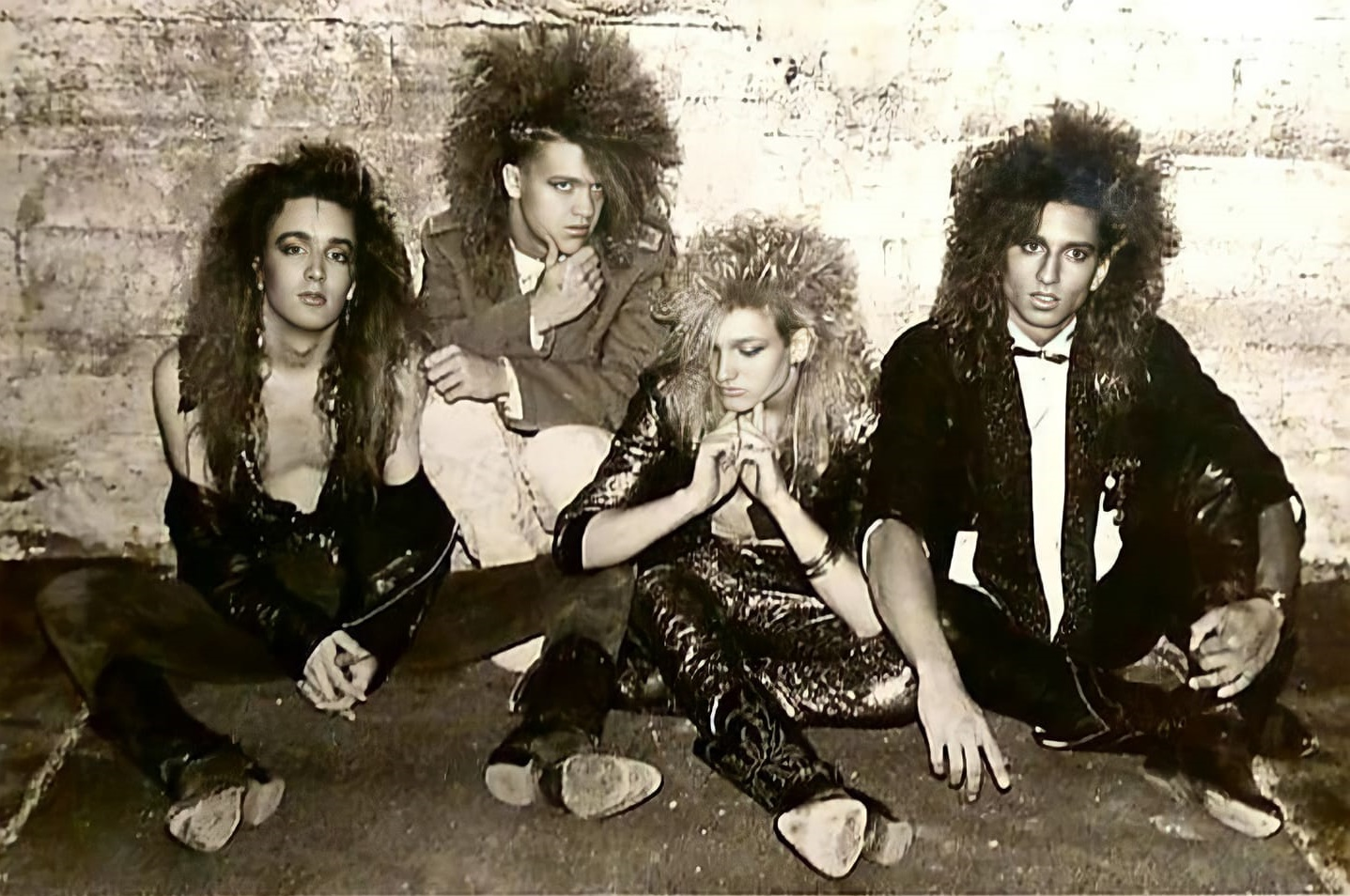
Combining deep roots in the heavy metal sounds of the 1980s with a forward-looking vision committed to rock’s evolution in the 1990s, Alice in Chains joined bands like Nirvana and Soundgarden as pivotal torch-bearers for the grunge-explosion of the new decade. With a trifecta of gargantuan albums during the front half of the decade, the group amassed a barrage of record sales and fiery anthems like “Man in the Box”, “Rooster”, “No Excuses”, and many more. Their peak-powers were defined by the volcanic vocal chemistry between Layne Staley and Jerry Cantrell, as well as the diverse atmospherics of their production, which extended far beyond the formative growl and grime of the core grunge or heavy metal sounds. Their 90s dominance was cut short due to Staley’s substance abuse and eventual passing in 2002. However, the band carried on in his memory, with three more LPs following in the late 2000s and 2010s, as the durability and influence of their overall discography only grew with time.
Bryan Adams
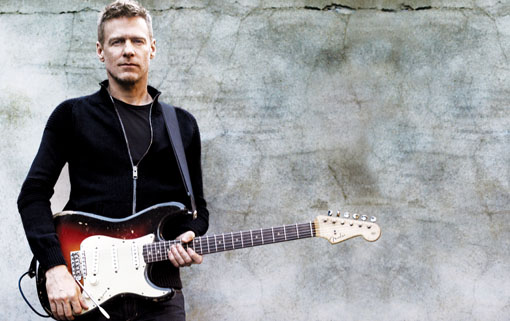
The entire face of modern mainstream radio across all of North America would have looked vastly different without the presence of Canadian Bryan Adams, whose records became a comfortable middle-ground between the Heartland Rock hits of acts like John Mellencamp and Bruce Springsteen, and the dramatic, box-office pop of Michael Jackson and Madonna. As a result, Adams became one of the box-office acts of the era himself, ascending to headlining status on the road, racking up seemingly endless spins on the radio, and moving millions of albums at retail. Adams also became one of the rare 80s mainstays to maintain his commercial profile well into the 90s, without ever deviating from his core pop-rock sound in an otherwise vastly changing sonic landscape. He may have been dismissed as a vanilla, white-meat fluff singer, but his records stand as some of the more sonically timeless of the era. His keen ability to balance rocking anthems and pop ballads made him a perennial, boy-next-door rock-star for the everyday person, a status that rings true decades later as he remains a top touring draw in multiple countries.
Mary Wells
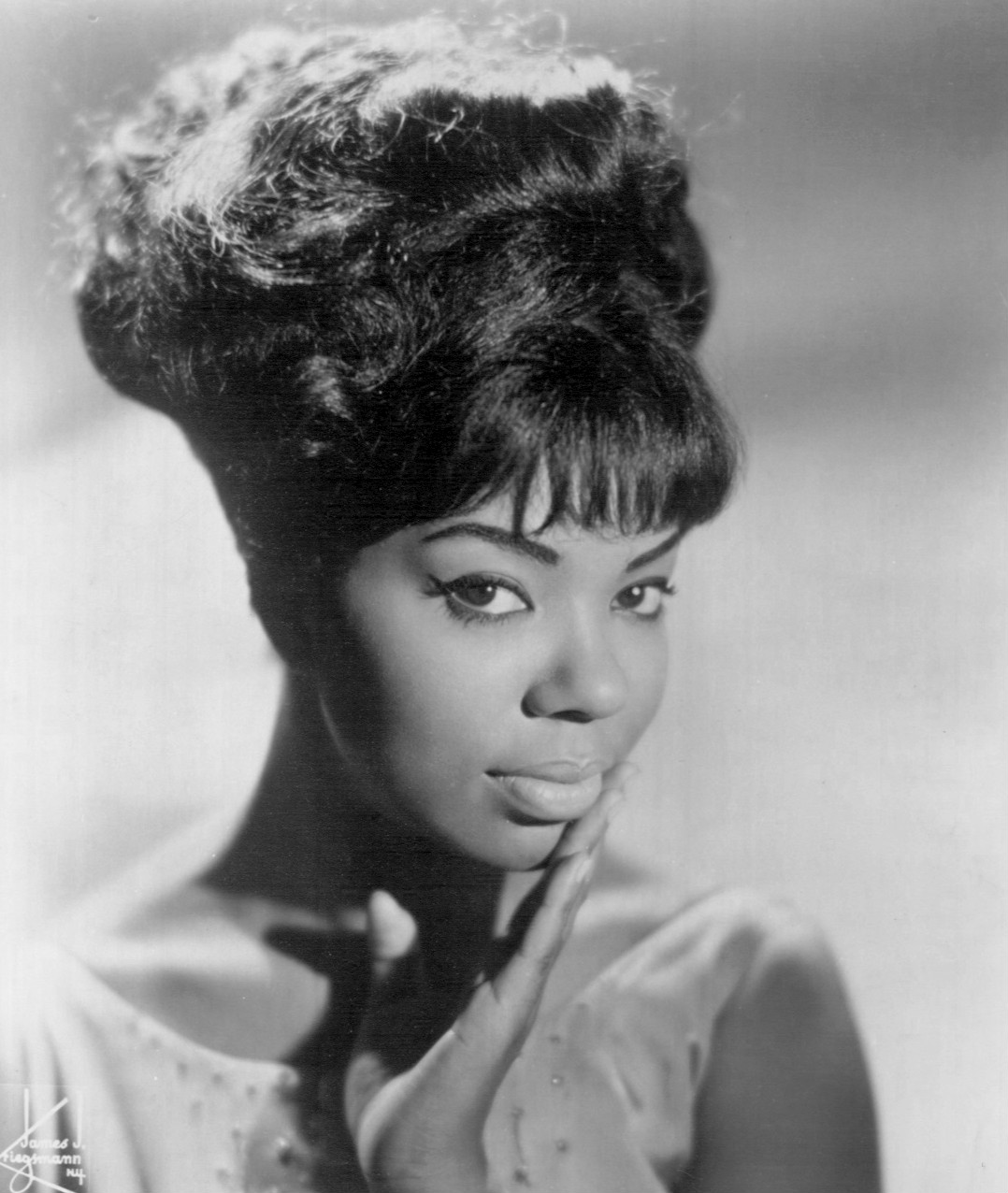
A formative pillar of Motown, both creatively and commercially, Mary Wells was the legendary label’s first bona fide female star. In turn, she became a legend not only on the merits of her music, but for the American societal barriers that she helped break down during the 1960s, both as a woman and an African-American. Her soulful smashes, many of them penned by her muse and fellow-Motown icon, Smokey Robinson, became etched into the cultural consciousness of a nation still succumbing to gender and racial biases. The angelic sound of her voice and the stylish, catchy R&B-tinged arrangements of her records soared above all the chatter, emphatically proving that great music is not limited to one skin-color or genetic make-up. In 1964, her career song, “My Guy” was one of two songs (alongside Louis Armstrong’s “Hello Dolly!”) to interrupt Beatlemania’s stronghold on the Hot 100. Her music was history-making, but also just utterly fantastic on its own. Her omission from the Rock & Roll Hall of Fame may currently be the most egregious example of the Hall’s glaring gender disparity.

Lesley Gore
Actually, while we’re at it, let’s add the great Lesley Gore into that conversation. An undeniable staple of the 60s rock & roll scene, not to mention popular culture in general, she was one of the music industry’s original, bona-fide teen sensations. Launching with her iconic 1963 landmark, “It’s My Party” at the tender age of 16, Gore would release additional classics, including her signature feminist statement, “You Don’t Own Me” all before the time she reached adulthood. She branched out into both television and film throughout her twenties, paving the road for the many multimedia female singers that would ascend in the years and generations after her. Her pop career faltered due to record label politics and changing trends in the 1970s, however she remained creatively vital by branching into movie soundtracks in the 1980s, and in the new millennium, she finally re-emerged with 2005’s Ever Since. At this point, Gore’s known homosexuality had positioned her once again as an ambassador for social progress, bringing her fascinating story full-circle with a new, updated version of “You Don’t Own Me”.
Frank Sinatra
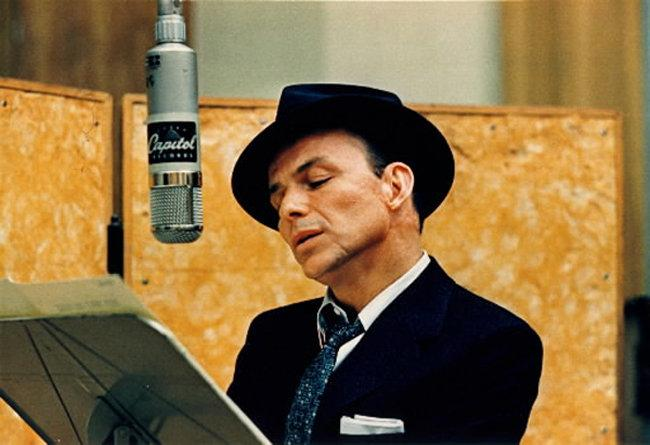
The matter of including artists who predated the official advent of rock in the Rock & Roll Hall of Fame has been a lopsided one. The Hall has already granted special induction to pre-rock icons like Nat King Cole, Billie Holiday, Jimmie Rodgers, and Hank Williams through the Early Influences category. Yet names like Frank freaking Sinatra remain startlingly absent. This may in-part be due to Sinatra’s once vocal distaste with rock & roll and the impact it had on the careers of previously-established pop superstars like himself. Who cares. You can’t have an Early Influences wing without someone like Old Blue Eyes. His staggering domination of the popular music scene needs no explanation, and while his stylistic identity was indeed established outside the confines (and actual existence) of a rock sound, he essentially invented the rock-star lifestyle and profile. If anyone’s singular talent, mass appeal, and artistic achievements helped inspire and lay the groundwork for the blockbuster success of acts like Elvis Presley and the like, it was Frank Sinatra. As his career and life neared their twilight, Sinatra wrapped his recorded legacy with a pair of duets records with contemporary artists from a variety of eras and genres, further illustrating the limitless reach of his influence and reverence. It’s high time the Hall of Fame shows him the same respect and admiration.

Tony Bennett
Likewise, it’s as puzzling that Tony Bennett is yet not inducted as an Early Influencer as it is Frank Sinatra. Starting in the early 50s, Bennett followed the inroads provided by Sinatra and achieved monumental superstardom as one of the most popular jazz and traditional pop singers of all time. For the next seventy years, Bennett was a constant presence and beacon in the overall musical universe, amassing one of the largest, best-selling, and most influential recorded catalogs of all time. Sure, personal demons and the occasional emerging musical genre may have stalled his momentum here and there. But Bennett always persevered, and his popularity and relevance with the general music fandom never wavered. By the time the video-age had arrived in the 1990s, Bennett himself was rubbing elbows with modern pop and rock stars at the MTV Video Music Awards, and curating his own MTV Unplugged appearance. Until this American treasure is inducted, the Rock Hall is utterly incomplete.
Previous: Introduction
Next: Part II
 The 706