2030
In our final Rock & Roll Hall of Fame Fantasy Ballot, major bands from across the past six decades rub shoulders with a colorfully diverse cast of leading ladies.

The Strokes
Emerging just one year into the 2000s, The Strokes provided a quick and emphatic answer as to what the sonic and creative possibilities of modern rock would look like in the newly-started 21st century. Their rock legacy would easily be secured on the strength of their debut disc alone, with Is This It instantly becoming a critical darling, as well as an impressive seller. It’s regarded today as one of the greatest rock albums of all time, with the rest of their sprawling catalog also proving pivotal in giving garage-rock renewed relevancy and vigor in a new era. Major bands who arose in their wake such as The Killers and Arctic Monkeys have cited them as crucial in opening the door for their own commercial success, while the reverence for classic bands like The Doors and Velvet Underground evident in their work helped bridge the decades-long gap between two prominent rock eras. After a series of criminally underrated records throughout the rest of the decade and into the 2010s, the Strokes united with iconic producer Rick Rubin in 2020 to release The New Abnormal, which restored their love-affair with critics, and introduced their enticing rock story to new audiences.
The Wallflowers
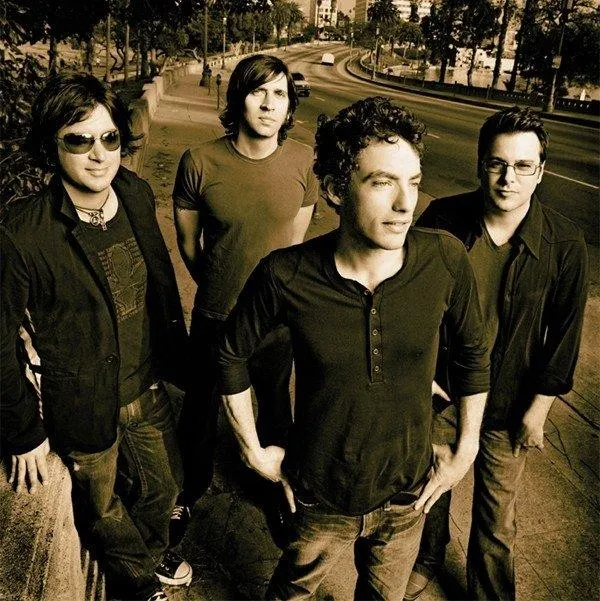
90’s roots-rockers The Wallflowers have assembled a revered and resilient career by constantly subverting the massive shadow of lofty expectations that have always loomed over the band, whether it be those imposed by the legendary status of its front-man’s father, or those set by their own massive successes. The constant compass of the band has always been the muse of second-generation rock poet, Jakob Dylan, who formed the Flowers in the late 80s. After an admirable but overlooked debut, the group exploded into the ranks of rock royalty with their blockbuster sophomore effort, Bringing Down the Horse. Boasting new classics like “6th Avenue Heartache”, “Three Marlenas”, and especially “One Headlight”, Dylan and his ensemble helped define the sound of late 90s rock. Diminished sales combined with evolving line-ups and intermittent hiatuses did nothing to dilute the quality or crackling roots-rock sounds of their subsequent records, with all of them serving as dark-horse highlights across the 2000s, 2010s, and now 2020s. Meanwhile, Dylan solidified his status as one of his generation’s most gifted lyricists, further contributing to his familial legacy, without letting it define or squander him.
Mariah Carey
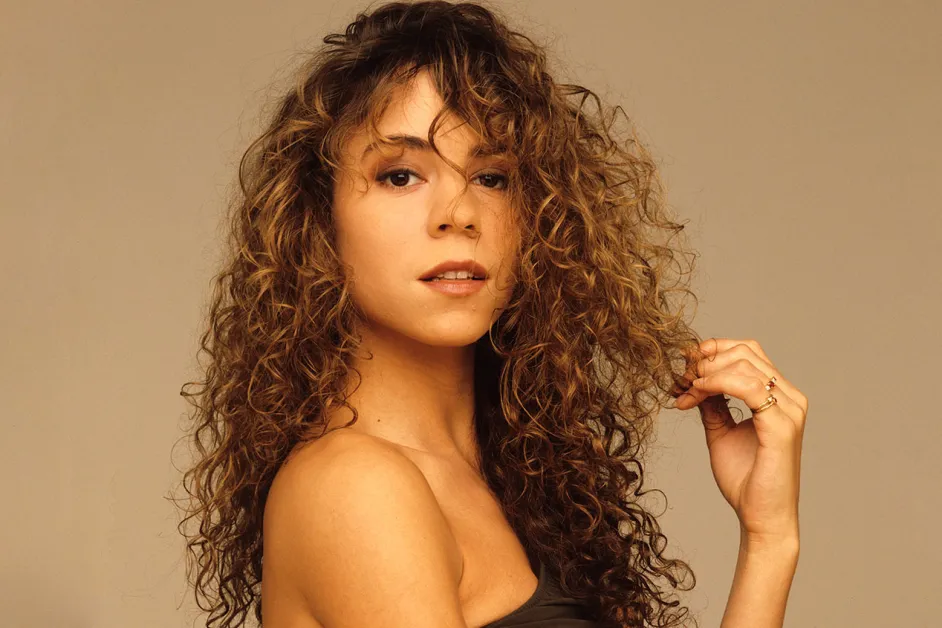
A spell-binding, five-octave vocal range. Nineteen number-one hits on the Billboard Hot 100. Two-hundred million albums sold worldwide. A diverse, genre-spanning musical arc with fascinating highs, lows, and iconic comebacks. A pop-culture-defining Diva personality. And of course, an immortal reign as the Queen of Christmas. Mariah Carey’s career has everything that the most magical pop-music careers are made of. Her presence over the worldwide musical sphere for the past three-and-a-half decades is virtually peerless, and seemingly timeless as well. She helped reshape the sonic definitions of both pop and R&B alike, while narrowly walking the fine line between a larger-than-life aura and a scrappy, every-woman sensibility that has endured her to the millions among her passionate fanbase. The Hall of Fame caliber of her resume is indisputable. And hey, maybe an inevitable Rock induction will inspire the long-awaited release of that mythological alt-rock album (in its original incarnation) that’s been vaulted since the mid-90s? We can hope, right?
Sinead O’Connor
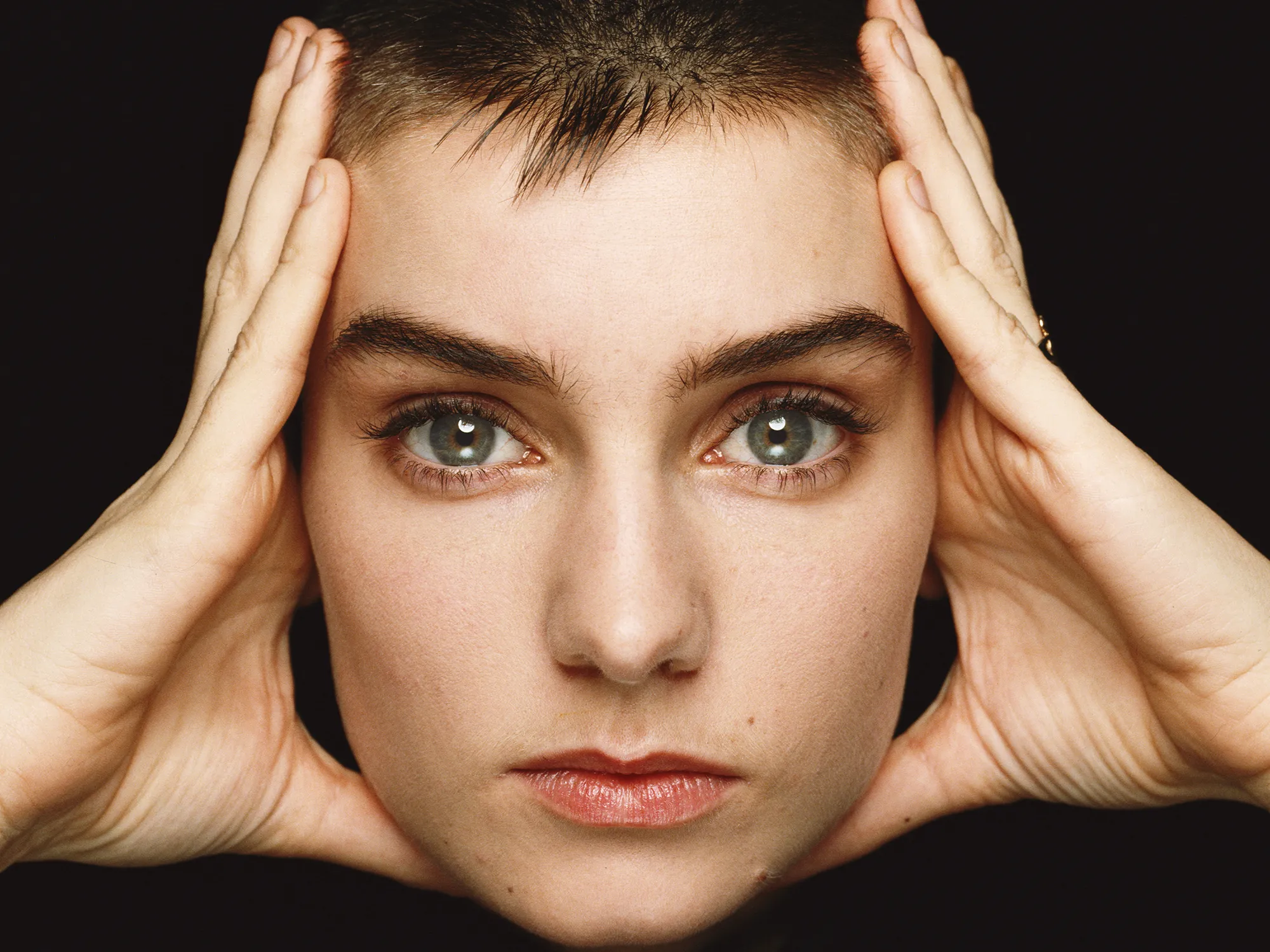
A powerhouse enigma of the likes never before or since seen in popular music. The sheer emotional heights of Sinead O’Connor’s bone-chilling catalog will forever live in a special class all its own. The Irish singer-songwriter appeared with her daringly artsy debut in 1987, and its overseas success set the stage for the colossal worldwide breakthrough that awaited her on 1990’s I Do Not Want What I Haven’t Got. Anchored by her scintillating reinvention of Prince’s “Nothing Compares 2 U”, the record established her as a worldwide force across the entire musical spectrum, and she seemed destined for long-standing superstardom. O’Connor however had designs on artistic priorities that didn’t align with mainstream dominance, recording unconventionally obscure music and courting controversy regularly with her various social statements and general rebellion. Along the way, she scored one of rock’s most badass modern moments with her infamous Saturday Night Live appearance in 1992. Her music and public behavior may have pushed her further away from chart glory, but instead solidified the pivotal social and artistic respect she so clearly preferred, all the way up to her death in 2023.
INXS
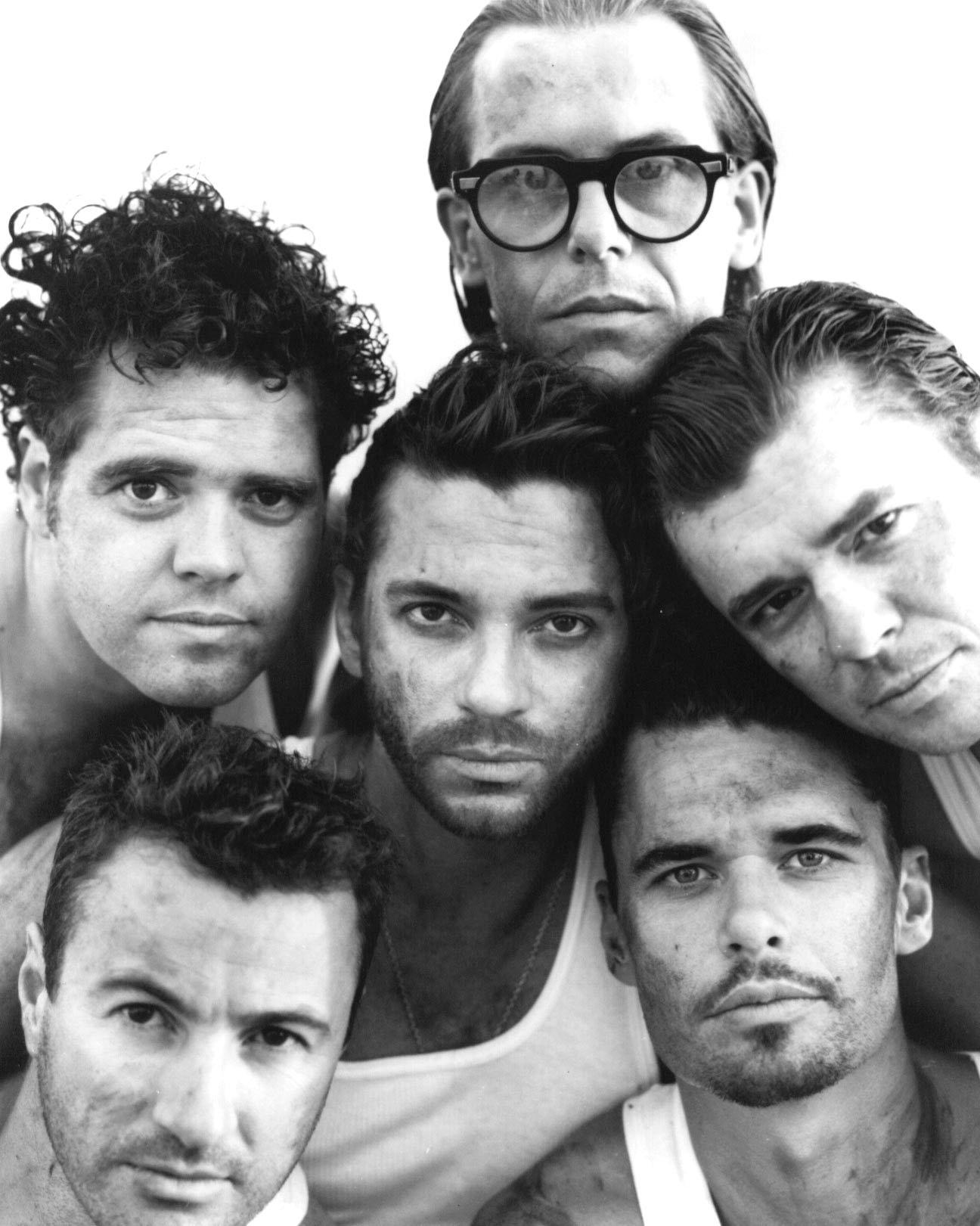
One of two Australian sensations to appear on this Fantasy Ballot, INXS first found rock-band success in their native land down under in the mid-80s. As the decade unfolded, their increasingly confident and perfected blend of contemporary rock, dance, funk, and pop translated to success on the American charts and the world over. Buoyed by the charismatically elastic and alluring vocals of lead singer, Michael Hutchence, and on the strength of popular anthems like “Need You Tonight”, “What You Need”, “New Sensation” and many more, in their peak the band rose to the status of stadium headliners, MTV fixtures, and ultimately achieved global album sales in excess of 80 million. Their international commercial successes continued well into the early 90s, and their intriguing artistic evolution likewise expanded after their peak chart years dwindled. Hutchence’s sudden death in 1997 marked a definitive end to their glory years, however the band carried forward with replacement singers throughout the years, with their recorded catalog culminating with an album in memory of Hutchence released in 2010.
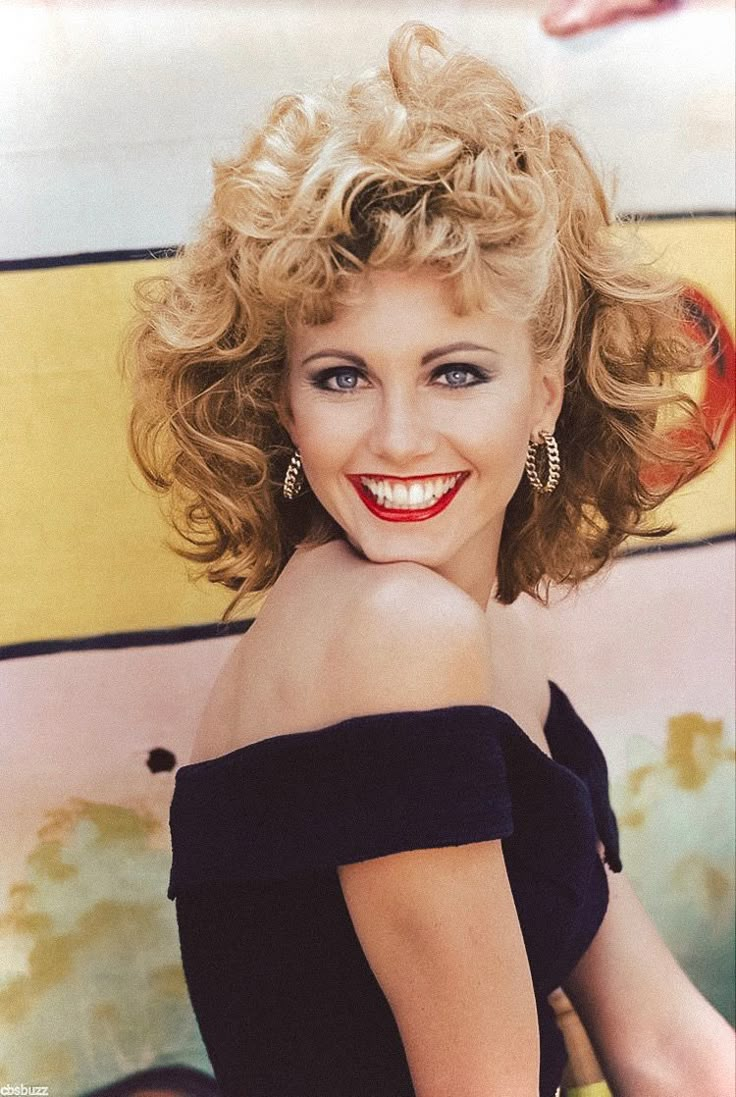
Olivia Newton-John
Another Aussie import who ultimately became a pop-culture sweetheart the world over, there are few corners of the entertainment world that were not touched by the charm, magic, and talent of Olivia Newton-John. Her initial recordings curated folk classics like Bob Dylan’s “If Not For You”, John Denver’s “Take Me Home Country Roads”, and the 19th century standard, “Banks of the Ohio”. Her conquering of the country music charts in the mid-70s stirred plenty of innocent controversy, but also laid the groundwork for the scene’s stylistic direction later in the decade, while also predicting the cross-genre appeal of 90s and 2000s women like Shania Twain and Taylor Swift. Her 1978 starring role as Sandy Olsson in the blockbuster musical film, Grease gave her career a new pop-culture centerpiece, and foreshadowed the future music-to-film transitions of fellow icons like Dolly Parton and Whitney Houston. Finally, in the new video-age of the 1980s, Newton-John pivoted again to a more sensual pop-rock sound and image with smashes like “Magic”, “Twist of Fate”, “Heart Attack”, and especially 1981’s “Physical”, which became the biggest Hot 100 hit of the decade, and laid the groundwork for the success of pop-video vixens and dance divas like Madonna and Kylie Minogue.
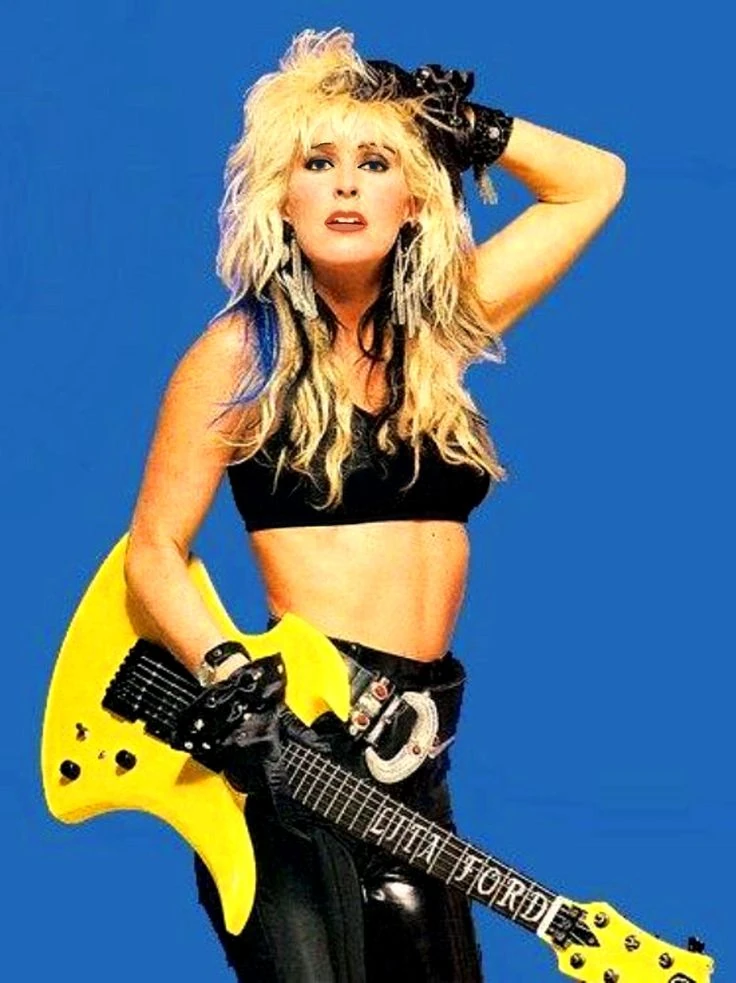
Lita Ford
Badass guitarist and glam-rock powerhouse Lita Ford has criminally spent the bulk of her five decade career as an unsung hero in the conversation of rock and roll history. Initially launching as the lead guitarist for all-female band, The Runaways in the late-70s, Ford branched out on her own in the 80s as part of the glam-metal wave that was beginning to dominate commercial rock. She was a unicorn in that scene for her gender alone, but her records and live performances quickly proved that she belonged rubbing elbows with iconic collaborators like Nikki Sixx and Ozzy Osbourne. Albums like Dancin’ on the Edge, Lita, and Stiletto are correctly regarded as hard-rock high-watermarks of their era, with Ford’s uniquely feminine yet brash perspective adding a welcome layer of variety to the sounds of the time. Glam-metal’s dissipation in the 90s, combined with familial priorities, pushed Ford to the sidelines for a decade-and-a-half. When she returned in the late 2000s, she did so with a pair of studio efforts and a live album that were ever-faithful to her commanding rock reputation, and provided a catalog explanation point fitting of her trailblazing career.

Wu-Tang Clan
The Rock Hall has slowly done a suitable job in recognizing the artistic and cultural relevance of Hip-Hop in its true-life inductions in recent times, however that work is incomplete until the inevitable induction of this groundbreaking collective. Arriving with their 1993 debut, Enter the Wu-Tang (36 Chambers), the record’s unflinching hardcore rap trappings helped bring East Coast Hip-Hop back to the forefront, and is widely credited with laying the groundwork for the soon-to-be successes of similar artists such as Jay-Z and The Notorious B.I.G. A free-flowing unit that valued individual expression as much as collaborative unity, much of their legacy is as tied to the pivotal solo works released by its members in the intervening space between the group’s continual group releases, which later included further landmarks like 1997’s Wu–Tang Forever and 2000’s The W. Internal conflicts, run-ins with the law, and the 2004 death of Ol’ Dirty Bastard marred their later years, however the surviving members have persevered with further recordings, both individually and as a unit, culminating in a farewell concert this past summer. Their presence over the entire Hip-Hop scene remains as towering as ever.

Thin Lizzy
Far too quietly recognized as one of the most diverse stylistic pioneers of the classic rock era, the creative fingerprints of Thin Lizzy can be found across a ridiculously wide spectrum of sounds, from pure rock and the blues to heavy metal, psychedelia, and the Irish folk of their homeland. Their iconic trifecta of international hits (“Whiskey in the Jar”, “The Boys Are Back in Town”, and “Waiting for An Alibi”) merely scratch the surface of their creative and sonic scope or the lasting influential impact on their rock peers and predecessors. Their stylish twin-lead guitar approach instantly set them apart from the crowded pack of bands filling the scene of the 70s, and it’s a calling card that would be echoed by countless groups that rose to prominence in the next decade. The introspectively homespun lyrics of frontman Phil Lynott would be the soulful anchor tying all of their disparate sounds together. And while his death in 1986 left a void that the band never successfully filled, their work during his tenure, and their enduring popularity among loyalists has cast them as an act heavily lobbied for when it comes to induction.
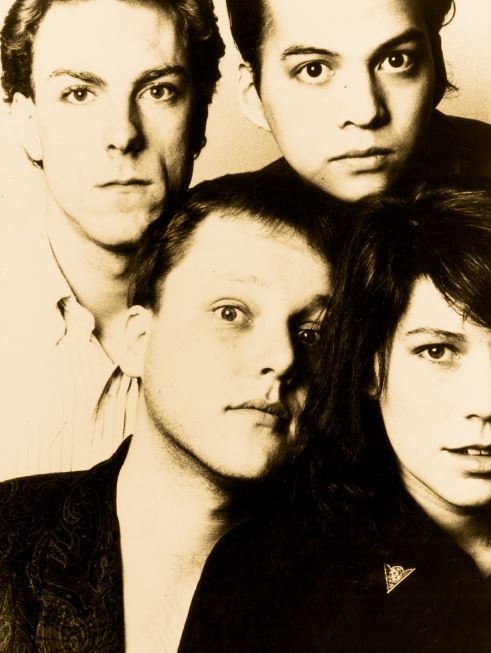
Pixies
If it were left up to late icons as vast as David Bowie and Kurt Cobain, Rock Hall induction would have already come for Pixies, the surrealistic alt-rock pioneers whose early work in the late 80s served as prominently foundational to the mainstream uprising of alternative music in the 1990s. The gripping combination of frontman Black Francis’ topically challenging songwriting, a surfy but punky guitar sound, and the gloriously jarring qualities of their signature quiet-loud/start-stop arrangements gave them an arresting creative identity that stood out as uniquely captivating in the rock field. Although their biggest commercial successes were ultimately resigned for the most-part to Europe, their influences could be heard all over the American rock charts of the 90s, in the work of groups like Nirvana, The Smashing Pumpkins, Radiohead, Weezer, and many more. If there was an “Early Influencer” category dedicated to this era of rock, Pixies could be the inaugural selection.
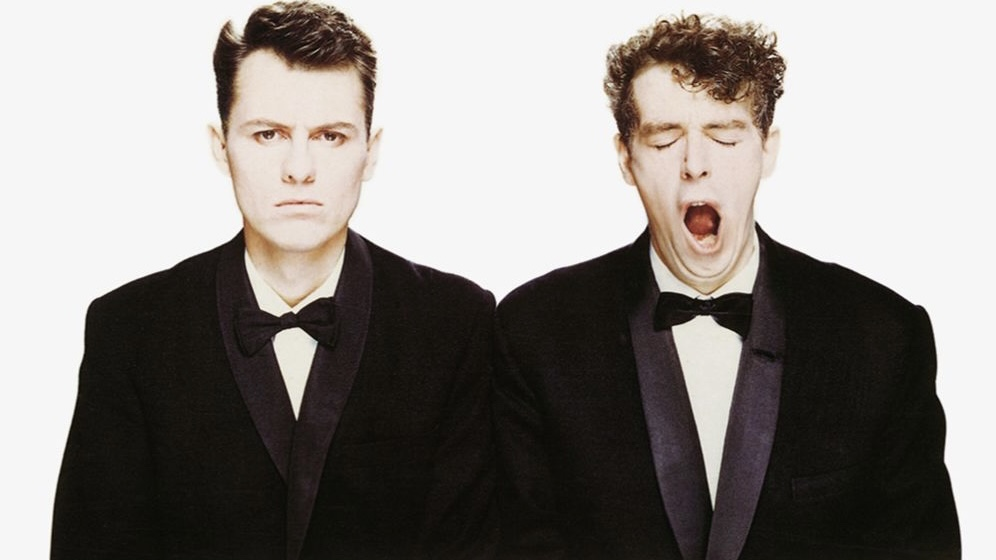
Pet Shop Boys
A dazzling duo whose constantly evolving and inventive ways has kept the synth-laden dance sounds of popular music relevant for over four decades. Pet Shop Boys have provided a crucial, creative bridge between the bygone disco days of the 70s, the lucrative house years of the 90s, and the modern dance influences that continue to dominate pop music in the 21st century. With over a staggering 100 million records sold, the Boys have been a constant presence on the UK charts for decades, and with their flashy 1980s hit-streak they also played a significant role in the Second British Invasion of the American airwaves. Signature hits like “West End Boys” are considered standards today among dance and club music aficionados. Meanwhile, their roles in revitalizing the creative inspirations and public profiles of legends like Dusty Springfield and Liza Minnelli in the late 80s stand as career milestones all on their own.

Los Lobos
When Latin rockers Los Lobos first broke into the mainstream consciousness with their 1987 biopic cover of Richie Valens’ “La Bamba”, there was no way for music audiences or the industry itself to foresee just how pivotal and prolific the sensational ensemble would be in enriching the overall cultural profile of American music. In the nearly five decades since, the group has tapped into their deep love and rich knowledge of the vast popular music universe, as well as the unique lens provided by their Tex-Mex foundation, to take listeners on an enriching musical journey unlike any other. Classic rock & roll, the blues, country & western, traditional folk, and cowpunk. Even the freaking Walt Disney canon. These are just some of the musical canons that Los Lobos has touched with their unique magic and thrillingly fun vision. Rock music, the entire popular music lexicon, and music culture as a whole have all been elevated in new and exciting ways thanks to Los Lobos, and this impact more than deserves the Hall of Fame’s acknowledgement.
Previous: Part IV
Next: Conclusion
 The 706