2027
Our proposed Class of 2027 is a vibrant group of trailblazing artists who are all connected through their balanced collective spirit for creative excellence, roots preservation, and unwavering artistic evolution.

Trisha Yearwood
The best pure vocalist and most consistent albums artist of her generation is the clear choice to lead the legendary pack of female nineties greats into the Hall of Fame. That Trisha Yearwood emerged and remained the gold standard among a peer group of unprecedented, and yet to be rivaled, quality and impact only further speaks to the enormity of her legacy. Across the impressive arc of albums that comprised her reign at the top of the mainstream, and throughout the outstanding projects she’s released in the years since, the quality of her vocals, ear for material, and interpretive magic of her performances landed in a rarified air only occupied by names like her principal influences, Emmylou Harris and Linda Ronstadt. Point blank: she’s one of the very finest vessels that a song ever met, in any genre or era.

Rosanne Cash
Given the sheer industry dominance that her records commanded during her commercial peak in the 1980s, Rosanne Cash should really be a front-runner inductee, rather than one of the countless dark-horse oversights of the past four decades. The facts that she refused to rest on the laurels of her family legacy, and later worked rather diligently to distance herself from her commercial country roots at the dawn of the 1990s are the sole reasons she remains waiting in the wings. One of the artistic bright-spots of the Urban Cowboy-raddled 80s, Cash exhibited the proper way to blend a core country sound with the sounds of other genres, and she was rewarded with a string of eleven No. 1 singles. Her extraordinary legacy arc in the three decades since further solidified her chops as a generational songwriter, storyteller and stylistic architect, and her more recent revisiting of her more rootsy country and folk origins has produced some glorious full-circle fruit.
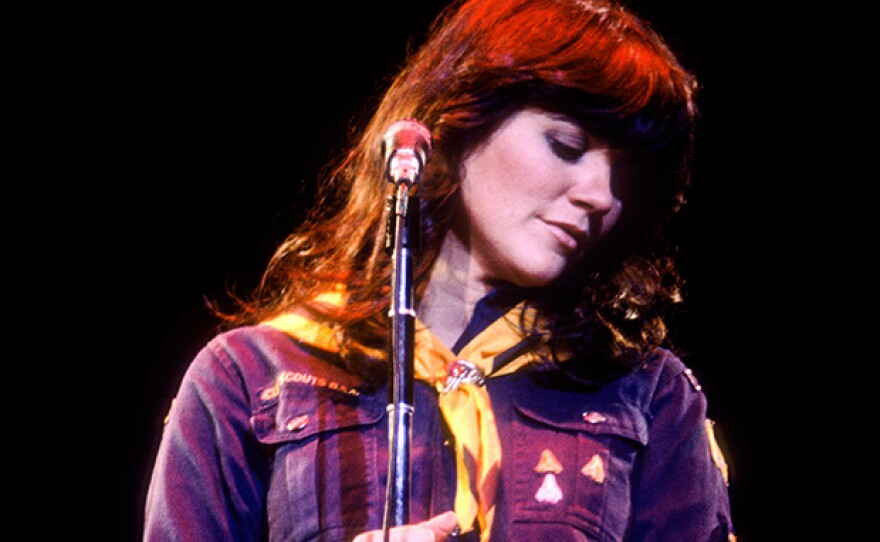
Linda Ronstadt
If ever there was the quintessential artist that defied any genre classification, it would certainly be Linda Ronstadt. She could sing it all and she did so masterfully: rock, country, folk, pop, soul, jazz, New Wave, standards, mariachi, and more. Even during her reign as one of rock’s most lucrative superstars in the mid-70s, Ronstadt was simultaneously charting country hits, and many that leaned more traditional than much of the day’s crop of country headliners. Her country roots remained a constant through-line as her career continued; her Trio recordings with contemporaries Dolly Parton and Emmylou Harris are modern genre standards today, and her influential fingerprints are all over the dazzling work of later essential acts like Cash, Yearwood, Patty Loveless, and Pam Tillis. It’s also often lost that Ronstadt was primarily a covers artist, turning countless already-classics into newly formed gems exclusively tethered to her own renditions, making her one of the most essential musical interpreters in history.

Gram Parsons
Like innovative heroes Hank Williams, Patsy Cline, and many before him, and icons like Kurt Cobain and too many after him, Gram Parsons is one of those influential stylistic geniuses whose work is trapped in a fleeting space of time due to his career and life being cut tragically short. But prior to his 1973 death at the age of 26, Parsons essentially birthed an entire sub-genre of music, with the creative reverberations still echoing today. Through his legendary dalliances with bands like International Submarine Band, The Byrds, and The Flying Burrito Brothers, his pair of classic solo albums, and perhaps most importantly, his introduction of Emmylou Harris to the world, Parsons’ self-dubbed concoctions of “Cosmic-American” music helped escalate the classic country-rock movement of the 70s. They also laid the building blocks for the alt-country of the 1990s, and eventually the Americana roots scene of the 21st century. The very fabric of both country and rock music would look entirely different if Parsons had never existed, and his influence deserves to be immortalized beside Harris in the epic rotunda.

Asleep at the Wheel
The five decade career of Western Swing champions, Asleep at the Wheel is one of the most bountiful in music history in nearly every metric imaginable: longevity, stylistic range, collaborative command, and certainly their collective virtuosic musicianship. With the inimitably entertaining Ray Benson at the helm, they’ve not only been one of the half-century’s most electrifying and reliable live acts, but also arguably the most vital roots music preservationists, with their core Western Swing sound, but also through their rich interpretations of classic honky tonk, rockabilly, cowboy blues, and boogie-woogie that kept these sounds prominent for a new generation. Their hit resume may be technically light, but the depth of their catalog, rich with reverently curated covers, dazzling original material, and a treasure trove of collaborations (surviving members of Bob Wills’ Texas Playboys, Riders In the Sky, Willie Nelson, Merle Haggard, Dolly Parton, Garth Brooks, George Strait, Vince Gill, Huey Lewis, Brooks & Dunn, Reba McEntire, Clint Black, Tim McGraw, Dwight Yoakam, The Chicks, Lyle Lovett, Lee Ann Womack, and The Blind Boys of Alabama to name not a few…not to mention an early career opening slot for Alice Cooper of all people), it’s clear that the Wheel’s reach is Hall-worthy.
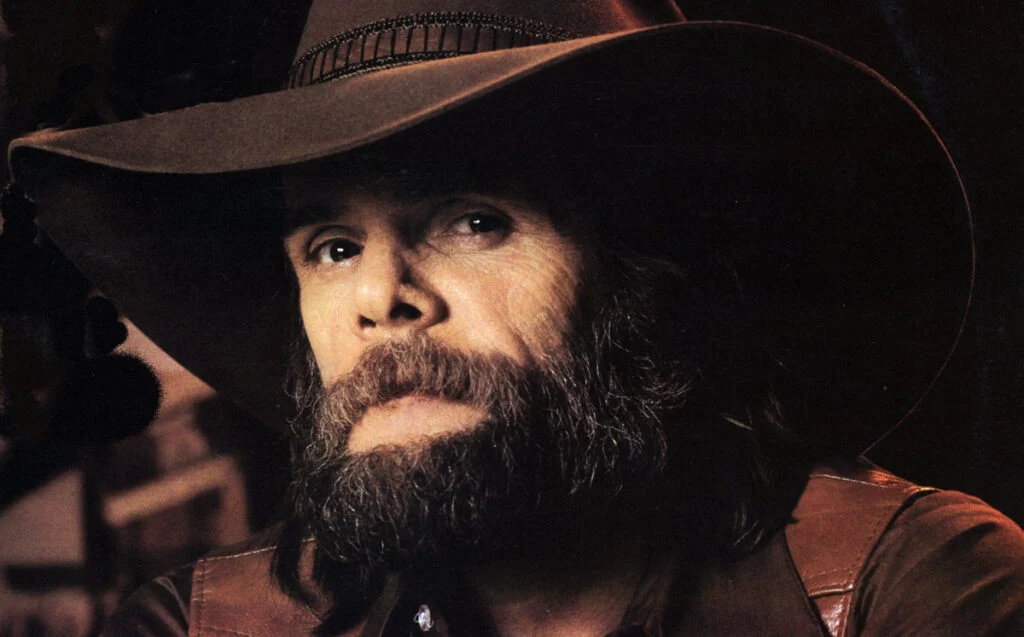
Johnny Paycheck
Johnny Paycheck would prove to be one of the more unsung heroes of the 1970s Outlaw movement, mostly due to his lifestyle mirroring the music’s troubled themes more literally than any of his contemporaries. Despite numerous scandals, health issues, and even a pair of prison stints, his music and redemptive spirit allowed his beloved status in the country community to rise above it all. His pivotal influences in the genre began two decades before Waylon, Willie and the like struck overdue pay-dirt with the Outlaw mantra. Still under the monicker Donny Young, Paycheck became an influential band-member and collaborative partner for George Jones, and penned classic hits for other artists, including the Tammy Wynette standard, “Apartment No. 9”, while scoring a handful of his own hits. His career exploded in the 70s however, with classics like “She’s All I Got”, “I’m the Only Hell (Mama Ever Raised)”, and David Allan Coe’s blue-collar anthem, “Take This Job and Shove It”, which fittingly became Paycheck’s signature, and solidified his eternal status as a hero for the working-man. A return to membership at the Grand Ole Opry in the late-90s completed his full-circle redemption arc, and kept him on the straight & narrow until his 2003 death.
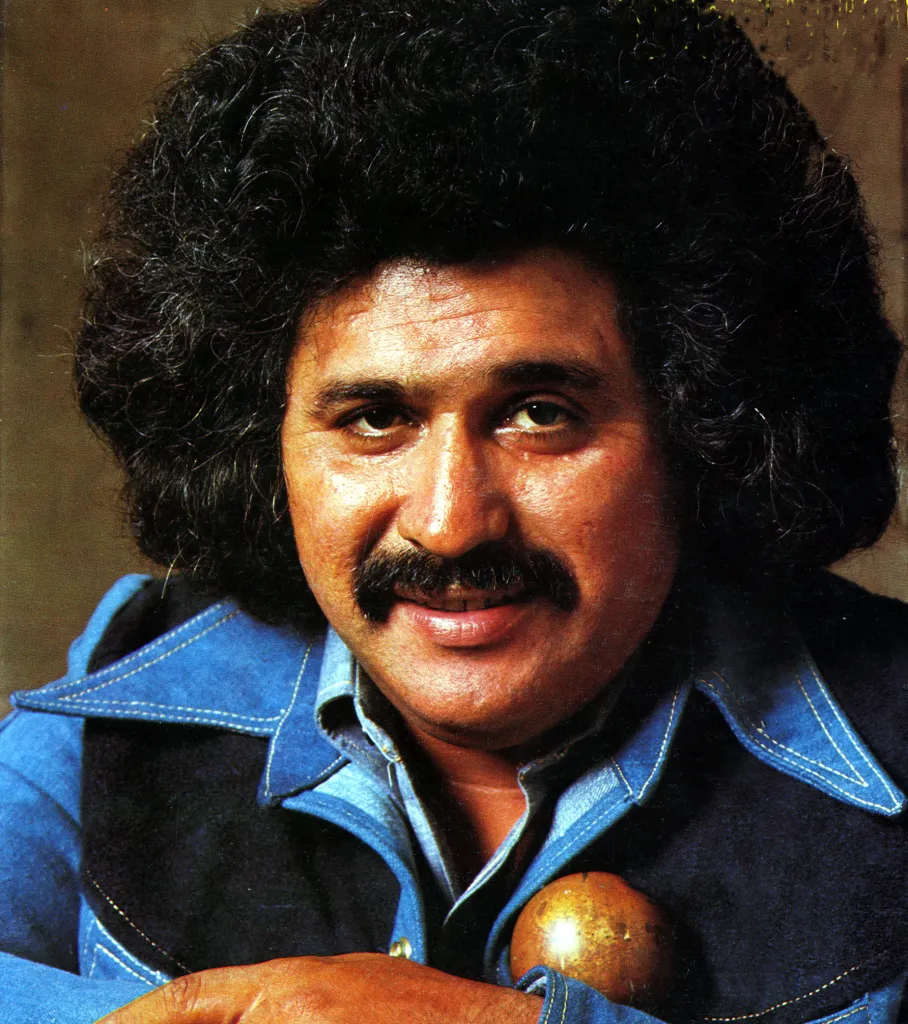
Freddy Fender
With a glistening string of classic hits in the 70s that elegantly merged country, pop, rock, blues, and Tejano sounds, Freddy Fender was responsible for richly enhancing the cultural framework, and cultural impact, of mainstream country. His gorgeous vocals, heavy incorporation of Tex-Mex stylings, and bilingual interpretations significantly transformed country music’s too-often homogenized demographic make-up. Classics like “Before the Next Teardrop Falls”, “Wasted Days and Wasted Nights”, “Secret Love”, and “Vaya Con Dios” perfectly fit the lush, cross-genre sounds that reigned during the countrypolitan era of the time, but also still offered a gloriously diverse sonic palette that pleased purists of both the classic country and Tejano variety. The colorful cultural variety that Fender infused in the genre during his heyday would likewise add welcome flavor to the Hall of Fame.

The Stanley Brothers
Equally vital as both Bill Monroe and Flatt & Scruggs in the expansion of bluegrass music during the art-form’s primitive early days, brothers Carter and Ralph are among the most overdue for Hall induction across any generation or style. Their high-lonesome sibling harmonies, clever picking styles on the guitar and banjo, and their reverent yet creative interpretations of grassy and Appalachian standards were formative building blocks in the foundation of the music, and their influence is heavily cited by contemporary curators of the bluegrass sound. Carter’s death in 1966 cut their partnership tragically short, however Ralph would carry on the Brothers’ legacy for the next half-century of his life, through the late-century revival of their Clinch Mountain Boys project (which later featured talent like Ricky Skaggs, Larry Sparks, and Keith Whitley), and his glorious resurgence in the New Millennium through his participation on the blockbuster O’Brother Where Art Thou soundtrack, which suddenly re-transformed him into a Grammy Award threat, Opry regular, and in-demand musician in contemporary circles.
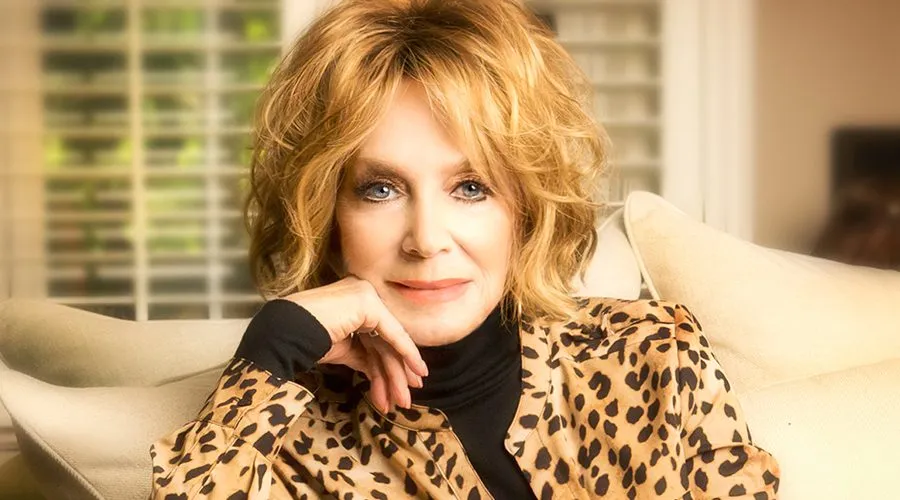
Jeannie Seely
The Grand Dame of the Grand Ole Opry. It’s a heralded title that Jeannie Seely has earned through her more than five thousand performances in the Opry’s legendary circle, making her the institution’s most prolific member in history. That achievement alone should fast-track Seely for induction in the coming years, but it does not represent the limitations of her legacy either. A fiercely independent firecracker, Seely was an outspoken and steadfast difference maker in the evolution of women in country music, through her diversely soul-tinged recording style, pointed lyricism, and her envelope-pushing image and stage presence. She’s parlayed an undeniable combination of soul, spice, and smarts into becoming one of the genre’s most dazzling and durable entertainers of all time.
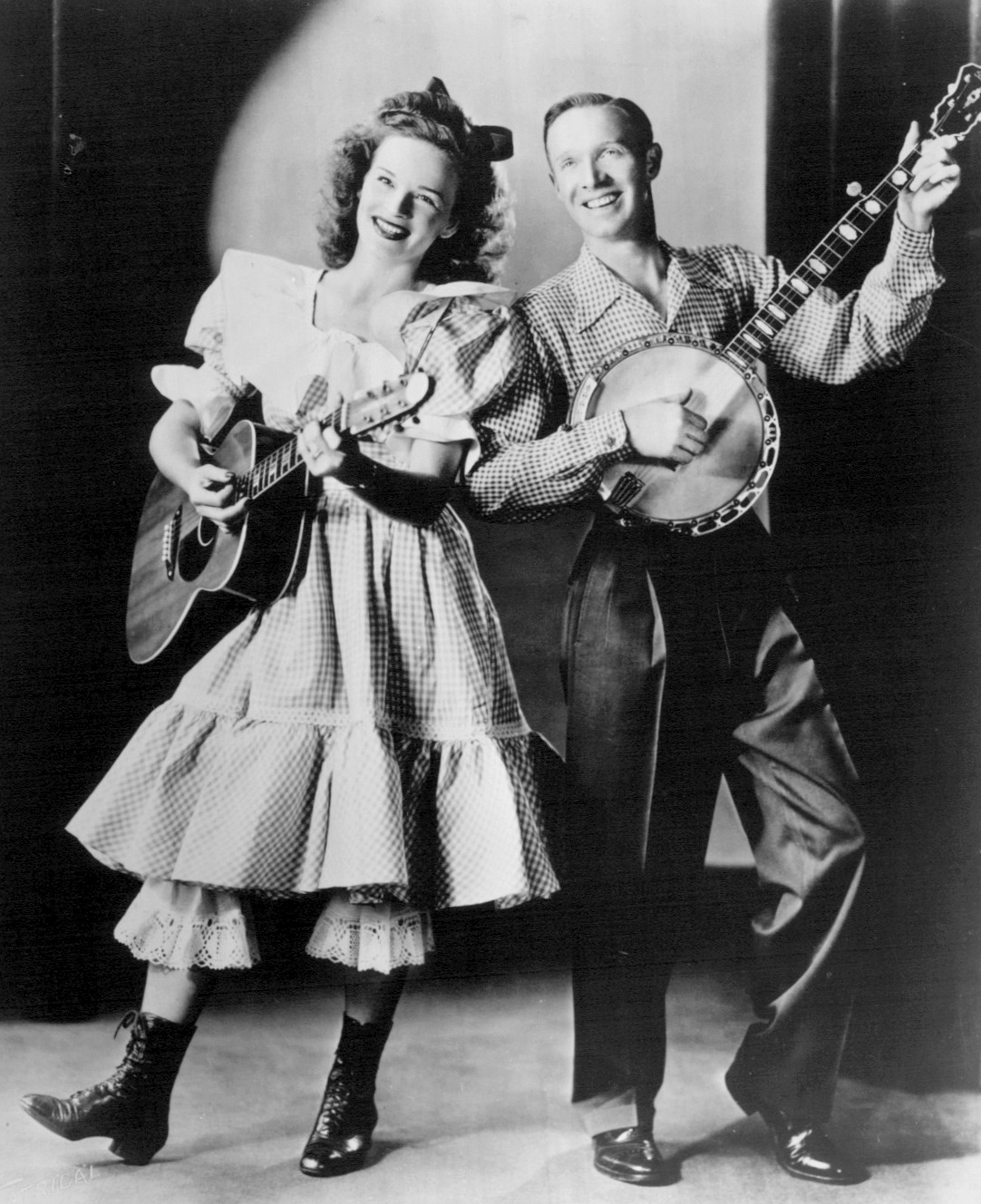
Lulu Belle & Scotty
Country music’s original super-couple, Lulu Belle & Scotty were also among the then-young genre’s initial superstars, with both their musical and comedic bits proving to be essential components of the influential radio barn-dance scene of the 1930s and 40s. As an enormous draw for the WLS National Barn Dance, the pair helped attract a weekly listenership of 20 million at the show’s peak, at one time posing a legitimate popularity threat to the Grand Ole Opry itself. The couple possessed a musically deep pathos, often overshadowed by their lighthearted personas; among their greatest accomplishments was the composition of one of the genre’s first great love songs and crossover successes with the standard, “Have I Told You Lately That I Love You?”. As the 40s progressed, they joined icons like Gene Autry, Roy Rogers, and Dale Evans by giving early country music a presence on the silver screen, through various film appearances and starring roles. Upon retiring from music in the late 50s, Lulu (real name Myrtle Cooper) became a female political force, serving two terms in North Carolina’s House of Representatives, and later speaking out against the sexism and abuse she suffered as an early female pioneer in the music industry.

Rodney Crowell
Few artists in the country music canon have enjoyed as vibrantly divergent a career as Rodney Crowell. As his own recording artist, he’s delivered one of the most rewarding catalog of albums in history, from his early dark-horse releases in the late 70s, to his brush with mainstream chart dominance in the 80s, to the alt-country masterpieces that he’s graced us with since the 90s. Concurrently with that work, Crowell helped anchor Emmylou Harris’ legendary outfit The Hot Band, studied under the wing of lyrical geniuses like Townes Van Zandt and Guy Clark, produced a classic run of albums with then-wife, Rosanne Cash, and provided hit songs for the likes of Waylon Jennings, The Oak Ridge Boys, Crystal Gayle, Alan Jackson, Tim McGraw, Lee Ann Womack, Patty Loveless, and Keith Urban. In his spare-time, he formed a killer side-band, The Notorious Cherry Bombs, with should-be-fellow Hall of Famers, Vince Gill and Tony Brown. His work over the past decade has included continued stellar solo albums, a memoir, and diverse collaborations with both Harris, and author Mary Karr. Need we go on?

Matraca Berg
The glorious 1990s scene of women in country music would have looked drastically different without the presence of Matraca Berg, who emerged as arguably the definitive songwriter of the decade’s country music boom. Berg first enjoyed chart success in the mid 80s with notable hit cuts by the likes of Reba McEntire. But it was the gold-rush of female powerhouses that overtook Nashville in the 90s that truly put the world on notice of Berg’s magical lyrical gift. She scored a bevy of songwriting hits and modern classics as rising superstars like Trisha Yearwood, Patty Loveless, Suzy Bogguss, Deana Carter, Martina McBride, Faith Hill, The Chicks, and Sara Evans culled her catalog, most prominently her own criminally overlooked albums, for their latest work. Many of these songs, most prominently Carter’s “Strawberry Wine” and Yearwood’s “The Wrong Side of Memphis”, became career signatures for these vocalists. Berg’s influence continued its unique reach long after the 90s glow faded out, with new century landmarks including Kenny Chesney and Grace Potter’s cover of the Carter-co-write, “You and Tequila”, and the release of the 2011 LP, The Dreaming Fields, easily her recorded masterpiece in a sterling canon of records that are ripe for glorious rediscovery.
Previous: Part I: 2026
Next: Part III: 2028
 The 706