2028
Our third installment of Fantasy Ballots, country music edition, captures a well-balanced class of sturdy male superstars, a peerless bluegrass band, and an overdue sea of genre-shifting icons from the crowded 60s-80s backlog of potential inductees.
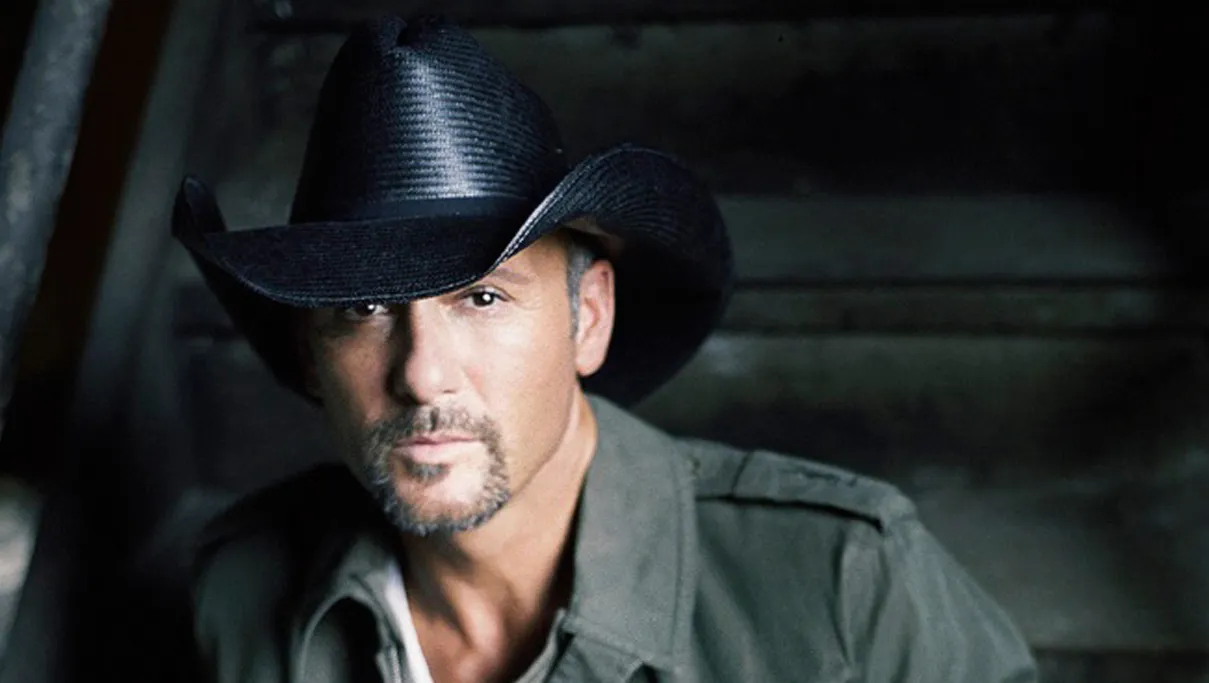
Tim McGraw
One of the definitive superstars of his generation yes, but Tim McGraw also possesses one of the most fascinating artistic evolutions of the contemporary country era as well. His career was nearly dead-on-arrival with a rapidly disappearing debut disc, before breaking-out in a massive fashion a few years later thanks to a one-two punch of silly novelty songs and maudlin ballads that could melt a soccer-mom’s heart. In the years that followed, both his physical voice and his song-sense matured in splendid fashion, resulting in some of the deepest mainstream country albums of his generation. Of course along the way, he found a high-profile celebrity romance with fellow superstar, Faith Hill, a union that elicited plenty of commercial and artistic dividends thanks to their undeniable chemistry as both lovers and artists. It could be argued that there was never a solid streak of time where McGraw was the hottest marquee act in the format, but rather one who was consistently at the top, with a depth and stamina that provided far more sustainable impact. For three decades now, he’s reigned as both one of country’s best showmen, and song men; the kind of career that Halls of Fame are made for.
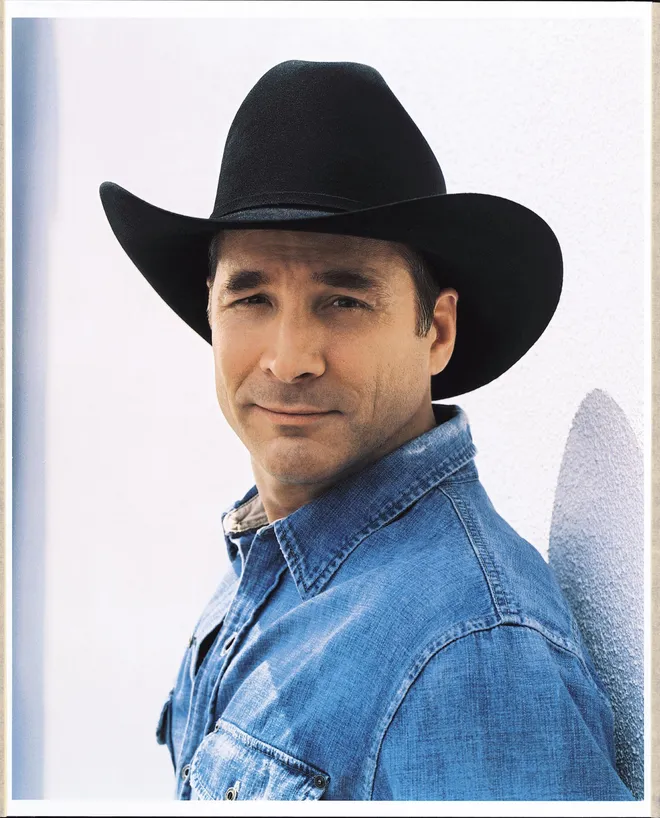
Clint Black
It’s perhaps easy four decades later to forget that it was Clint Black, not Garth Brooks or Alan Jackson, who was the inarguable valedictorian of the famed Class of 1989. Combining his Texas twang, Hollywood good-looks, sharp songwriting pen, and a slick, modern take on classic honky-tonk, Black essentially transitioned the country scene between the neo-traditionalism of the late 80s and the box-office revolution of the 1990s. His first four records are bona-fide contemporary country gold, and his string of electrifying and emotional hits extending into the early 2000s made him one of his era’s most reliable draws, even if he became somewhat overshadowed by the enormous slate of hitmakers who benefited in the wake of his colossal breakthrough.
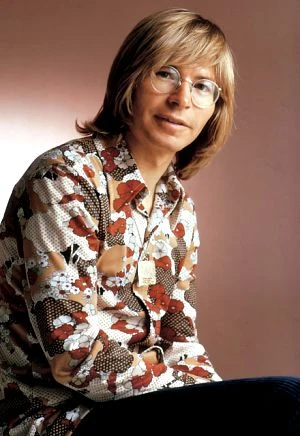
John Denver
Initially cast as a pop interloper by many within the Nashville hierarchy, the truth is that John Denver’s music found a home in country music (among other places) because of all the same, great virtues that apply to any era of country classics: it was pure, heartfelt, and steeped in the same storytelling qualities that gave both country and folk its hallowed origins. Not to mention, much of Denver’s output sounded more down-home and traditional that much of what Music City was slinging off its countrypolitan assembly-line in the mid 70s. Today, classics like “Take Me Home Country Roads”, “Thank God I’m A Country Boy”, “Back Home Again”, “Rocky Mountain High”, and “Annie’s Song” are considered standards in the country canon, and rightfully without question or argument. His songwriting, musical stylings, and passionate social causes continue to influence a new generation of listeners today. The fact remains: John Denver was one of those rare, universally appealing performers that ultimately connected with and belonged to us all, regardless of genre. But nearly six decades on, his place of belonging in the story of country music is indisputable.
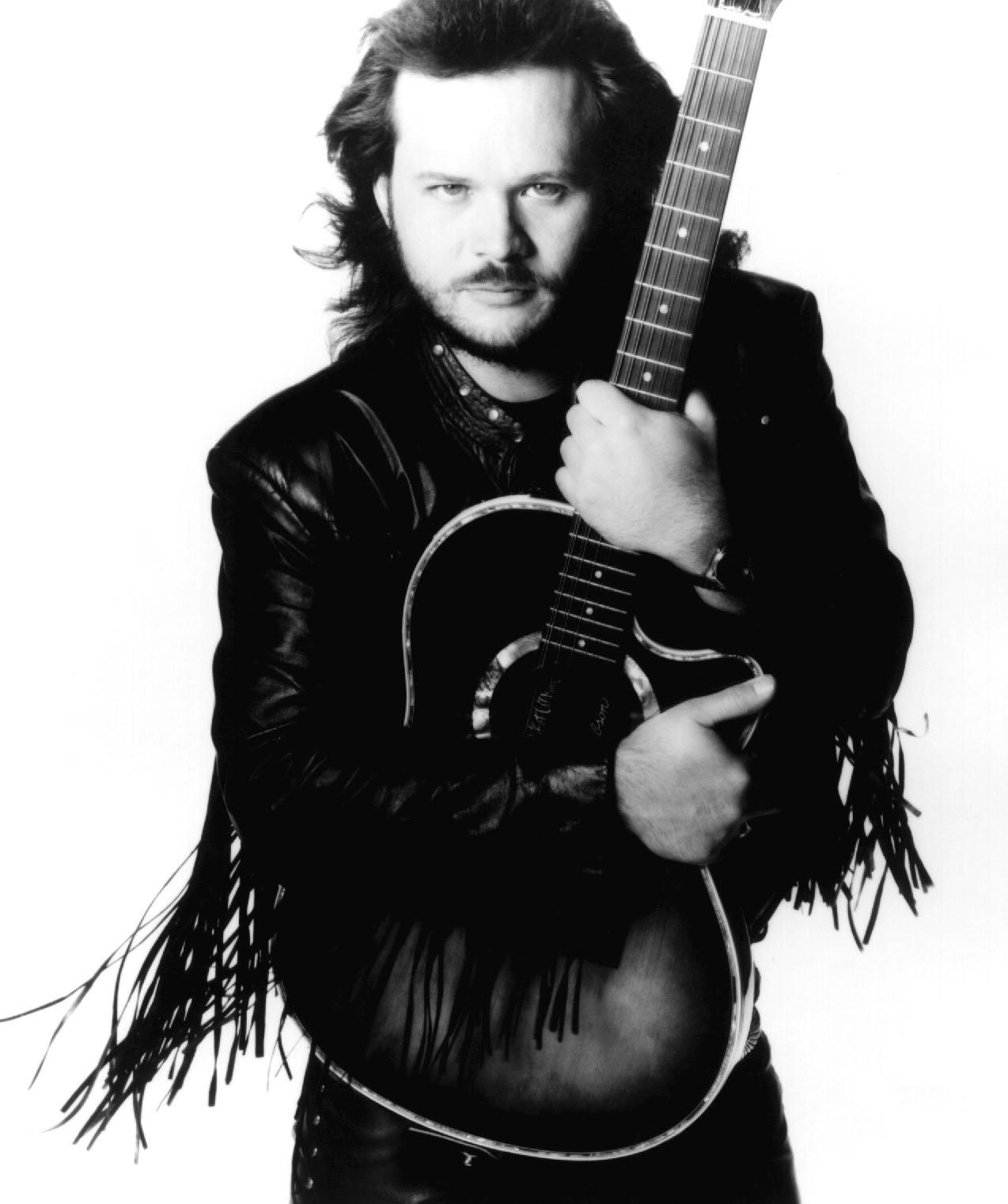
Travis Tritt
Another prominent graduate of the historic Class of 1989, Travis Tritt was always that infamous class rebel, setting himself apart with his edgy rock & roll image and an equally loud infusion of Southern Rock and blues into his own brand of country. Following in the footsteps of Hank Jr. rather than Sr., his records were as indebted to acts like The Allman Brothers, Lynyrd Skynyrd or Marshall Tucker Band as they were George Jones, Merle Haggard, or Waylon Jennings. He made no apologies for it; nor did he need to as he followed in Dwight Yoakam’s footsteps in becoming a new age country-rock star, helping usher in country’s commercial boom with an onslaught of hits like “I’m Gonna Be Somebody”, “Put Some Drive In Your Country”, “Anymore”, “T-R-O-U-B-L-E”, “Here’s A Quarter”, “Foolish Pride”, “Take It Easy”, “It’s A Great Day To Be Alive”, and “Modern Day Bonnie and Clyde”.
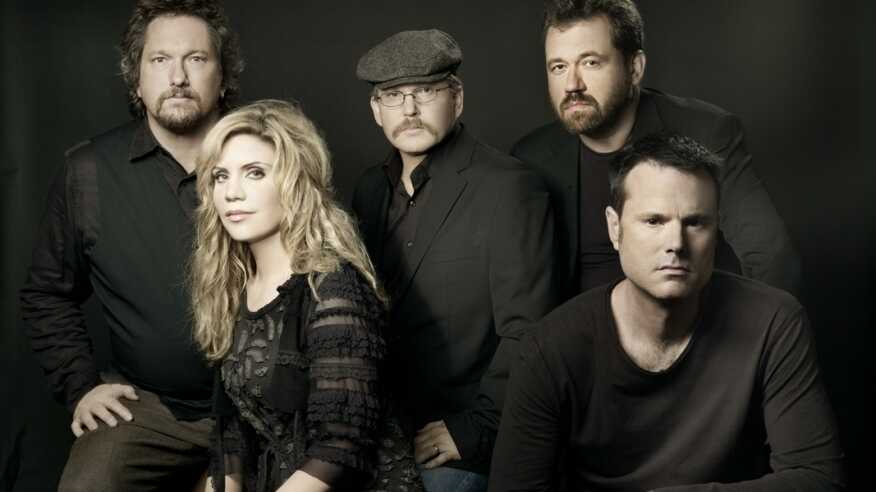
Alison Krauss & Union Station
As exquisitely gifted an ensemble to ever grace the country music universe, or any genre’s for that matter, Alison Krauss & Union Station nearly single-handedly led bluegrass music into the 21st century, with a gracefully rich catalog that seamlessly balanced a respect for tradition with an excitement for the future. On pure vocals alone, Krauss is one of history’s most cherished singers. She matched that gift with an instrumental talent that was equally impressive, and surrounded herself with an astounding band of musicians who shared in her skill, craft, and vision, most prominently mandolinist and vocalist Dan Tyminski, Jerry Douglas on dobro, bassist Barry Bales, and banjoist Ron Block. Their collection of records is among this generation’s finest musically, not just in a popular music sense, but on a lofty scale that earns its place among those of the classical and jazz variety. Their work opened the door for the O’Brother movement of the new millennium, effectively bridging the gap between classic bluegrass and the innovative Newgrass recordings of today and beyond.
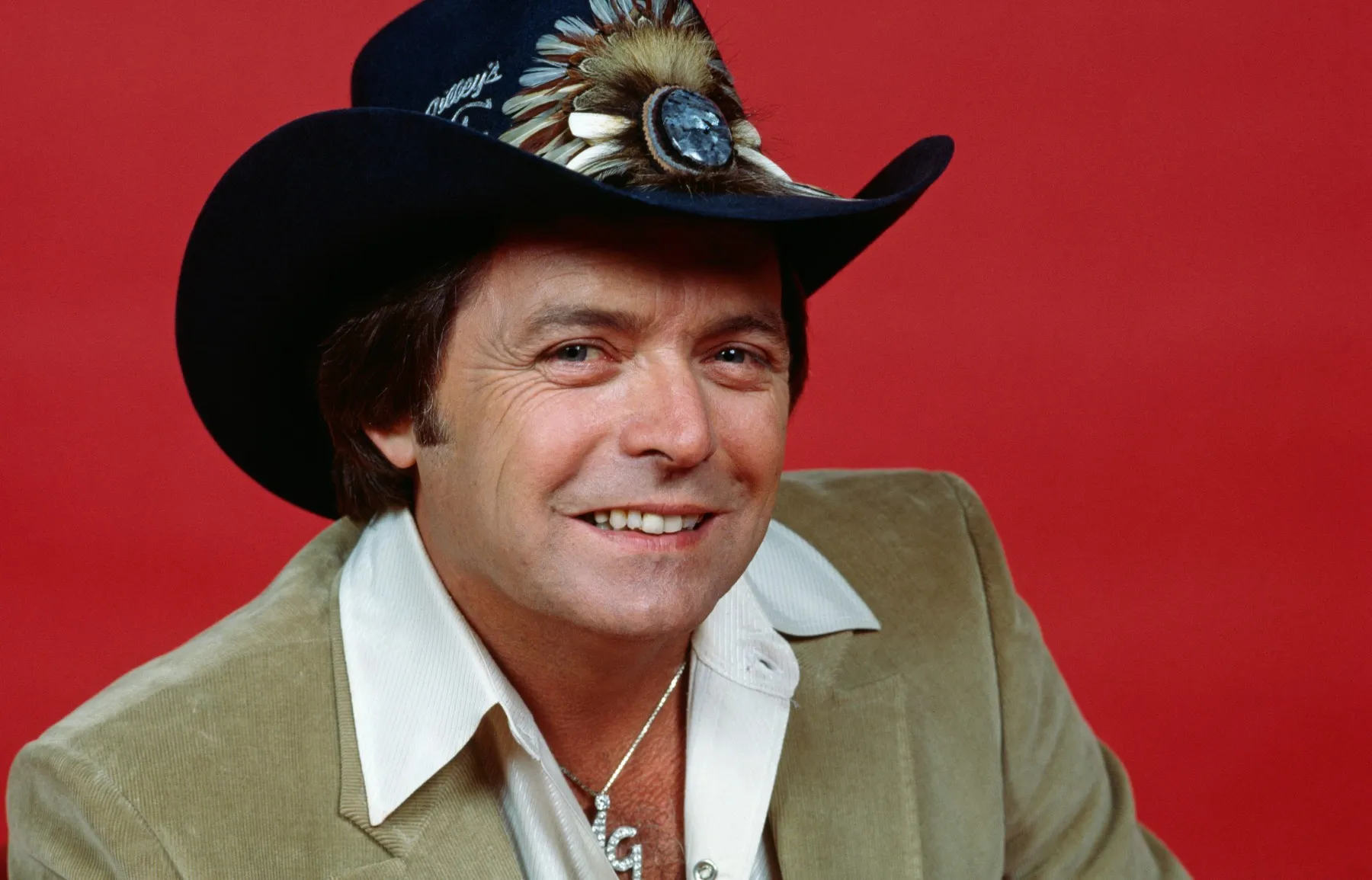
Mickey Gilley
Although the long-term impact of the Urban Cowboy era may today be mired in infamy, there’s no denying the initial buzz and excitement it provided out of the gates, especially when viewed through the lens of Mickey Gilley’s reign as a bona-fide country king and a new genre face for the unknown terrain of the late 1970s & early 1980s. With roots that sprouted equally from the fields of honky tonk, rock & roll, and Cosmopolitan, Gilley proved to be the perfect vessel for Hollywood-tinged country in the new decade. His combination of glitz and grit resulted in an impressively healthy string of instant classics like “Room Full of Roses”, “Don’t the Girls All Get Prettier at Closing Time”, “Stand By Me”, “A Headache Tomorrow (Or A Heartache Tonight)”, “Your Memory Ain’t What It Used To Be”, and more. Along the way, he became one of the most beloved and versatile entertainers that the genre ever produced.
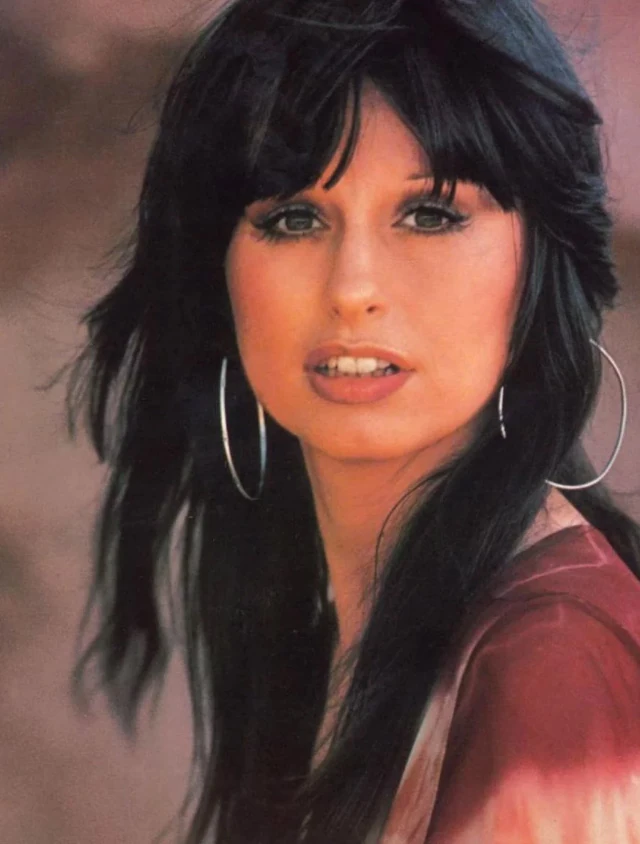
Jessi Colter
She may have ultimately become best known as the loyal wife and companion of Outlaw king Waylon Jennings, but make no mistake that Jessi Colter was, and remains, a country music queen and innovator all on her own. Emerging in 1975 with the blue-eyed country-soul of her debut smash, “I’m Not Lisa”, Colter immediately set herself apart as a fiercely stylish and independent artist. The song made her a crossover sensation out of the gates, and her edgy follow-up albums, and refusal to follow the conventional routes of a female country star, established her as a bona-fide Outlaw well before she joined Jennings, Willie Nelson, and Tompall Glaser on the historic 1976 Wanted: The Outlaws record, country music’s first platinum certified seller. The five decades that have followed have found Colter periodically resurfacing, and each time she has, her returns have resulted in equally inspired and fascinating extensions of her distinguished artistic identity, of which influences can be heard in successor artists as diverse as Faith Hill, Lee Ann Womack, Margo Price, and others.
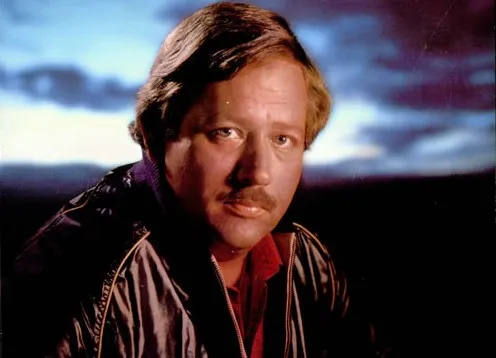
John Conlee
With a blustery, brassy twang and an uncanny ability to evoke the everyday emotions and drama of domestic, middle-America and soak them in a fascinating, noir-istic, Southern Gothic brand of country-soul, John Conlee was one of the most captivating country artists of his time, and today remains one of the genre’s most criminally overlooked. From his 1978 debut classic, “Rose Colored Glasses” on through the following decade of radio favorites, Conlee amassed an impressive resume of hits that cast him as one of the greatest vocal and sonic stylists to ever grace the mainstream scene. Decades later and on the cusp of age 80, Conlee’s soulfully haunting twang remains a staple on the Grand Ole Opry stage, where his chilling domestic tales remain as gripping as ever.
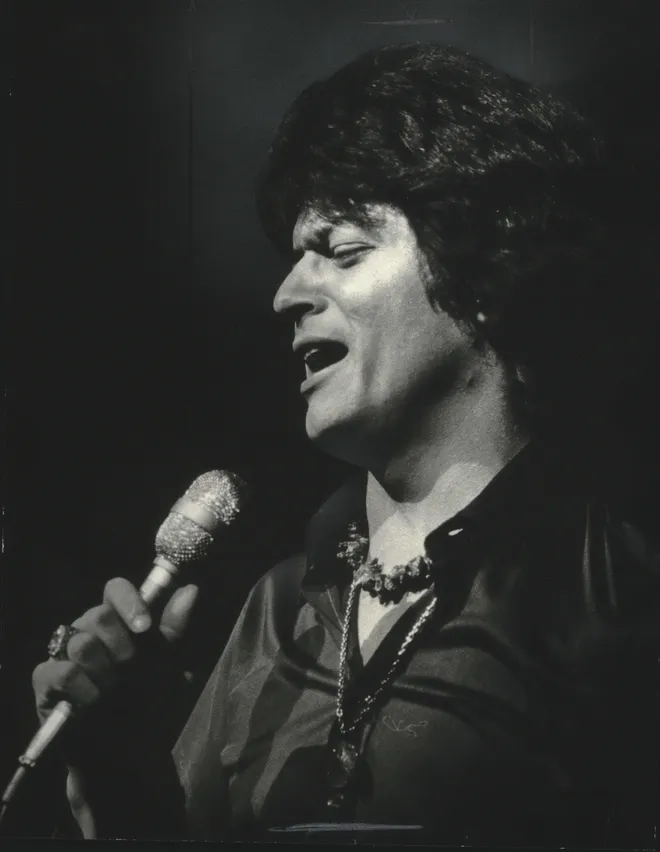
Johnny Rodriguez
Mexican-American hero Johnny Rodriguez arrived in Music City from his home-state of Texas at the age of 21 , with nothing but $14.00 in his pocket, a guitar, and a dream. Within a year, he was fronting the band for songwriting legend Tom T. Hall and soon signed to Mercury Records on the strength of his spins of stone-country classics like “I Can’t Stop Loving You”. Future classics like “Pass Me By (If You’re Only Passing Through)”, “Ridin’ My Thumb to Mexico”, and “You Always Come Back to Hurting Me” soon followed, and Rodriguez was well on his way to the upper tier of 70s country stars. He assembled a creatively robust arsenal of hits, making him a favorite among the Outlaw crowd, the country-rock contingent (with hit covers of “Take It Easy” and “Something”), and the Spanish flavor of his records broke down cultural barriers in the genre, opening the door for the superstar success of Freddy Fender a few years later. Legal problems and a new wave of country stars overtook Rodriguez’ presence in the spotlight, sadly making him one of the great forgotten artists of his time. The greatness of his music is overdue for a public reappraisal, which would be well suited to culminate in a Hall induction.
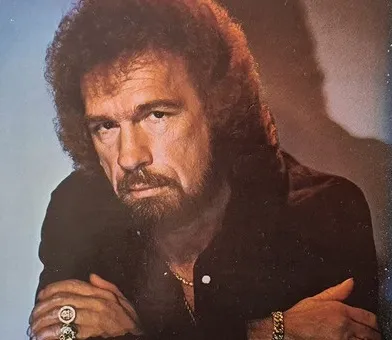
Gene Watson
Gene Watson’s storied career was defined by far more than a “Fourteen Carat Mind”, the title to his 1981 chart-topper, and one of the singer’s many classics. Watson also possessed a golden ear and a golden voice, both of which elevated him to the status as one of country music’s most reliable honky-tonk traditionalists during the sheen-heavy decades of the 70s and 80s. Expressive standards like “Love In the Hot Afternoon” and “My Farewell Party” exhibited a uniquely gifted storyteller with a inimitable vocal style and character that would influence a legion of modern country heroes like Alan Jackson, George Strait, Vince Gill, and Chris Stapleton. Now in his sixth decade as an artist, and eighth on the planet, Watson continues to show his contemporaries how it’s done, via continued touring, recording, and regular appearances as a long-overdue honored member of the Opry.

Guy Clark
As toweringly prolific, influential, and beloved as any other songwriter of any generation, Guy Clark was one of American music’s truly special poets. Emerging amidst the mid-70s movements of Outlaw country and country-rock, Clark never became a radio star, but his albums became cult-favorites in the Texas music scene, and his stunning songs (and those written and co-written with wife, Susanna) became both hits and future standards across the general music spectrum, via renditions by artists as vast as Johnny Cash, Willie Nelson, George Strait, and Bobby Bare to Emmylou Harris, Kathy Mattea, Rodney Crowell, and Vince Gill, among others. Clark remained an active songwriter and recording artist up until his death in 2016, at that point universally regarded as a preeminent architect for the Red Dirt, modern folk, and Americana music scenes that gave the overall country music sphere so much of its heart, authenticity, and roadmap toward the future.
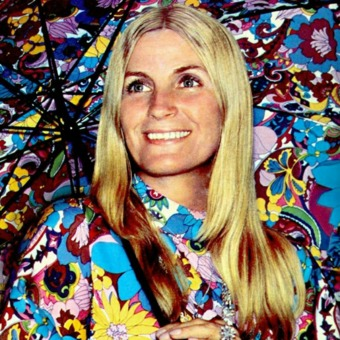
Skeeter Davis
Emerging as one half of The Davis Sisters (no relation) in the late 40s, Skeeter Davis became one of the first major female acts in country music history, eventually branching out into a solo career that cast her alongside luminaries like Jean Shepard, Kitty Wells, and Patsy Cline as groundbreaking influences on a class of future icons including Loretta Lynn, Tammy Wynette, Dolly Parton, Dottie West, and Connie Smith. Across that journey, Davis evolved from a yodeling traditionalist into a forward-looking, sixties flower-child that gave country music some of its most prominent pop crossovers, among them classics like “The End of the World”, “I Can’t Stay Mad at You”, and “(I Can’t Help You) I’m Falling Too”. This visibility in the pop field during her heyday landed her appearances on American Bandstand and The Midnight Special in between her regular rotation at the Grand Ole Opry. Her recorded output likewise demonstrated a well-balanced flavor between pop-friendly country tunes and more traditional fare, paving the way for countless boundary-straddling female stylists within country music’s next generation.
Previous: Part II: 2027
Next: Part IV: 2029

