For the Class of 2029, we boldly propose the first ever all-women ballot, celebrating a deep roster of leading ladies whose creative impacts on the story of country music reverberate throughout the decades.

Shania Twain
Breaking through in a blockbuster way in 1995, Canadian trailblazer Shania Twain built upon both the Garth Brooks-led sales boom as well as the rich female movement that had equally dominated country music in the first half of the 90s, and brought each to even bigger heights as the genre closed in on the new millennium. Partnering with then-husband and legendary rock producer, Mutt Lange, Twain unleashed a hat-trick of record-breaking albums (1995’s The Woman In Me, 1997’s Come On Over, and 2002’s Up!) and a mountain of colossal singles that ultimately brought both Twain, and country music itself, a heightened pop and international profile unlike anything the genre had yet to see. Shania’s music was unapologetic in its progressive production, polished crossover appeal, and it’s sexy, feministic POV. Come On Over would become the best-selling female album in music history, breaking down doors for both her contemporaries of the time like Faith Hill and The Chicks, as well as successors like Carrie Underwood and Taylor Swift. A devastating divorce from Lange, as well as the temporary loss of her physical voice, kept her silent for nearly a decade, before emerging in the late 2010s to solidify her legendary tenacity with a comeback arc that restored her as both a vital recording artist, and a headlining live performer.
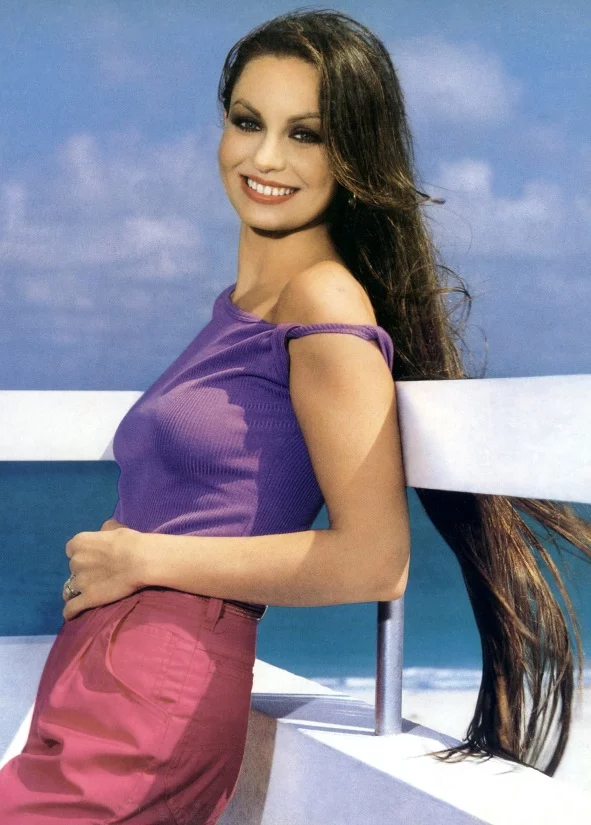
Crystal Gayle
As the younger sister of country pioneer, Loretta Lynn, she had enormous footsteps to follow in. But, by forging an artistic path in stark contrast to her famous sister, Crystal Gayle became a dominant country superstar all on her own. By mastering an elegantly glamorous and glossy crossover sound that incorporated elements of pop, jazz, and blues with contemporary country, she became one of the genre’s preeminent superstars as the years of Countrypolitan evolved into Urban Cowboy. At the peak of her mainstream powers, she amassed nearly three-dozen top ten country singles, over a dozen of which nabbed the top spot. A steady string also crossed over to the pop tally in the late 70s and early 80s, most prominently the country cocktail standard, “Don’t It Make My Brown Eyes Blue”. Only Dolly Parton herself had a more prominent profile among country women in the pop culture canon, and it could be argued that for a point Gayle rivaled even Parton herself. In the decades since her prime, Gayle has remained an active and continuously diverse recording act and touring performer, and in 2017, she finally joined her sister as an official member of the Grand Ole Opry cast. The next logical, and very deserving step, is for her to now join her in the revered Hall.

Faith Hill
Faith Hill became an instant genre sweetheart when she emerged in the early 90s, championing an instantly lucrative combination of glamour, down-home charm, and an en-vogue neo-traditionalist sound that pulled obvious influences from the likes of Reba McEntire and The Judds. While her success was instant upon her debut, nobody could’ve foreseen the dramatic transformation Hill would undergo over the course of a few years. By the end of the decade, Hill was one of the world’s most globally adored singers. She accomplished this through an army of hits that increasingly pulled from her rich pop and soul influences, a daring creative streak that refused to box herself in artistically…and of course that Cinderella romance with fellow superstar Tim McGraw didn’t hurt either. Her massive popularity and fascinating artistic evolution continued well into the new millennium, mostly culminating with 2005’s Fireflies, a full-circle country moment and commonly regarded as the best work of her career. Sadly, label politics and her preference for a more domestic life has kept her largely quiet for the past two decades, save for a few one-offs and duets projects with McGraw. This fact has certainly contributed to her declined presence in the Hall-worthy chatter, but there’s no denying that Faith Hill deserves a place in the CMHOF.
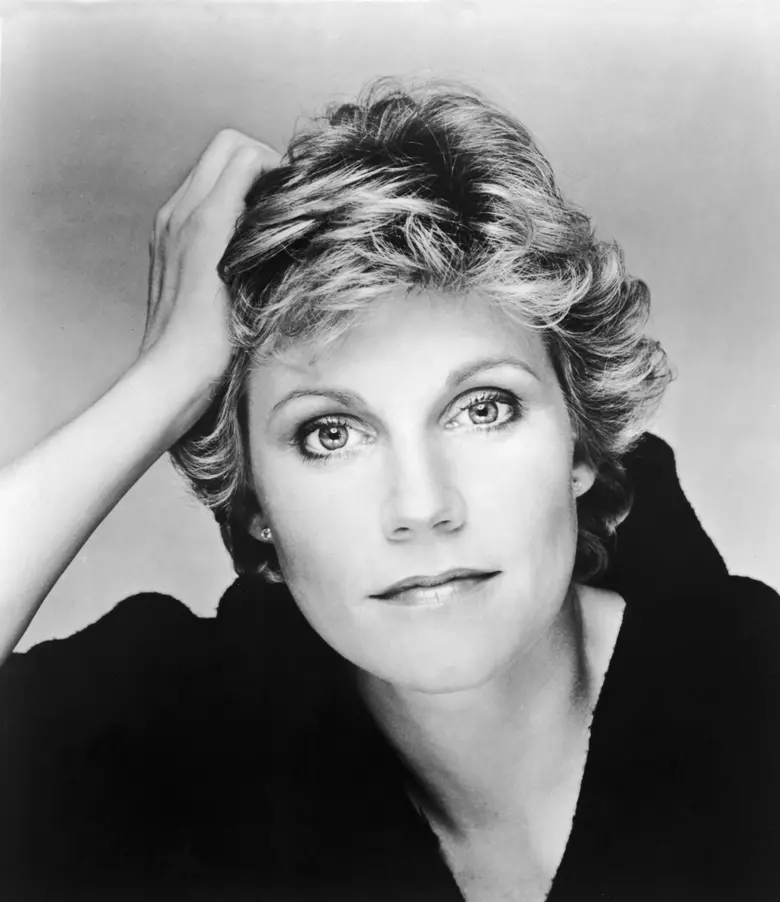
Anne Murray
Over two decades before Shania Twain hit the scene, Anne Murray proved to be Nashville’s most lucrative female Canadian import, becoming a cross-genre sensation in her own right, scoring significant success across the country, pop and A/C charts for over two decades. An unassuming but nevertheless formidable entertainer, Murray was a gifted singer with the kind of pure, crystalline chops that tethered her to the classic era of past singers like Doris Day, Patti Page, Connie Francis and the like. This made her naturally appealing to wide audiences both in and outside the country realm, and this resulted in an enormous collection of hits and modern standards, ranging from “Snowbird” and “You Needed Me” to “Can I Have This Dance” and “A Little Good News” to adored covers of “Danny’s Song”, “He Thinks I Still Care”, and “You Won’t See Me”. A consummate professional, Murray not only set a fresh gold standard with her singing, but she proved herself a model international ambassador across many borders, be it of the musical or geographic variety, but one whose heart always clearly resided first and foremost in the country music community.

Martina McBride
A gutsy, generational vocalist who was unafraid to tackle rarely charted sounds or topics, Martina McBride has been one of the country world’s most cherished figures for well over three decades. Though she initially struggled to find her footing in the crowded pack of female voices in the early nineties, she truly found her place with the risky release of the 1994 single, “Independence Day”. The song was a Gretchen Peters-penned tale of domestic abuse that, not unlike many Loretta Lynn hits from decades earlier, elicited bans at country radio yet today reigns as one of the genre’s true classics. This bold topical risk instantly set McBride apart artistically, and ultimately cast her as a champion for domestic abuse victims. Both her physical and social voice only grew more powerful as her catalog evolved against a layered backdrop of country, pop, rock, and blues influences. By the end of the 90s, she was right alongside names like Shania, Faith, and Trisha among the leaders in the genre, and she remained a constant presence and the unwavering female anchor in the genre well into the 2010s, as those same 90s peers slowed their own output.
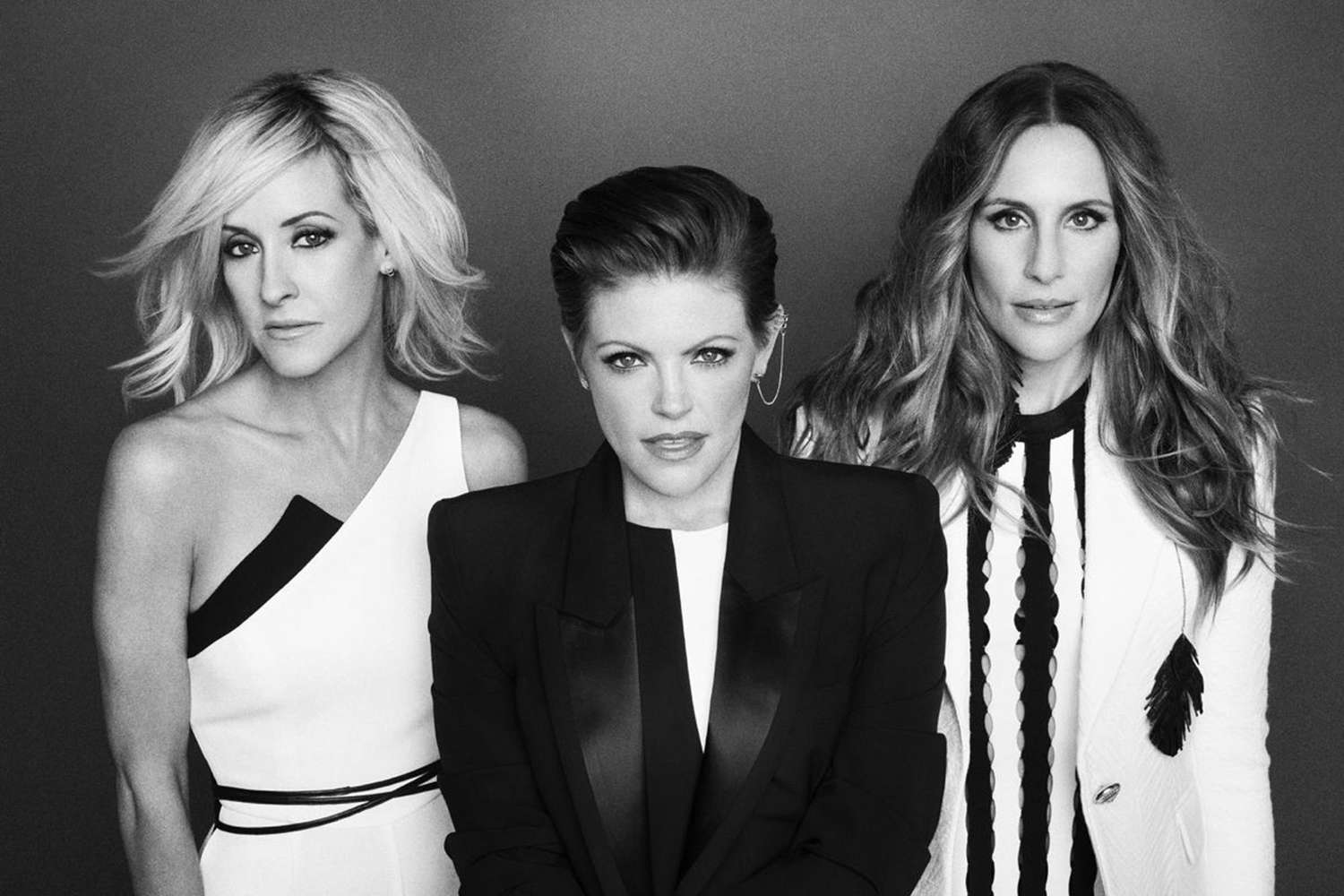
The Chicks
An induction that, in a just world, would be an absolute no-brainer is unquestionably the biggest potential pipe-dream to be found across this series. But in the uncomplicated world of Fantasy Ballots, there is no questioning whether The Chicks will ever enter the Country Music Hall of Fame. Once upon a time, the trio of Natalie Maines, Martie Maguire, and Emily Strayer were the unequivocal darlings of Music City, and for good reason. Their late-90s classics extended the Garth-Shania commercial stamina into the next decade in bewildering, entertaining fashion; emphatically showcasing the kind of dominance that an all-female band was capable of. As musically gifted as any act to ever grace the genre, they brought a raw, instrumentally-focused caliber of musicianship to the mainstream that was previously reserved for more underground circles like bluegrass and alt-country. Tying it all together was a fierce and feisty stage presence and an edgy taste for material that appealed them to everyone from country purists to young, crossover friendly audiences and even typically country-averse rock fans. An overblown political scandal in 2003 of course forever altered the paths of their careers, and country music as a whole, but even that naturally led to some of their very best work, which always retained a solid country core, industry drama be damned.
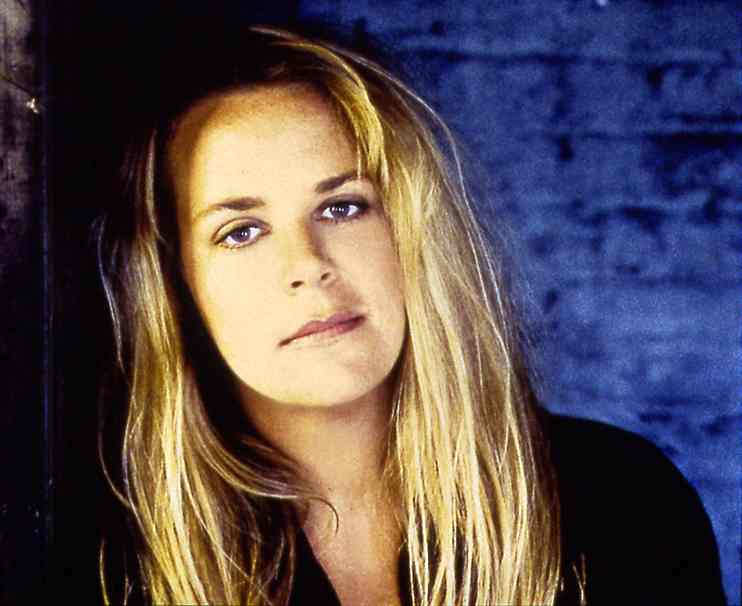
Mary Chapin Carpenter
With her prominently coffeehouse-leaning folk stylings and her East Coast, Ivy League background, many heralded Mary Chapin Carpenter as a most unlikely country star upon her breakthrough in the late 1980s. Such proclamations by supposed industry insiders were gross underestimations of their own genre’s audience and the capability of their artists. Like Emmylou Harris and Rosanne Cash before her, Carpenter and her other peers in the so-called “authenticity-crisis” of the time not only understood the richest traditions of country music’s past, but also knew what it could truly be capable of in the unlimited possibilities that the future represented. She may have been country’s “unlikeliest” star, but she also quickly became one of its most rewardingly substantive superstars. Her sharp and literate lyrical genius, combined with peerless levels of wisdom and wit, humor and heart all comprised a unique artistic identity, of which Nashville had never seen before and has yet to see since. Her records not only represent watershed moments from country’s 90s boom, but they have continued to serve as a dependable musical and emotional compass in the decades since.

Lee Ann Womack
Of all the talented women on this installment, Lee Ann Womack is unquestionably the most staunchly traditional of the lot. And while this is rightfully the core of her exalted legacy in the country music story, it’s also a limited account of her gloriously diverse artistic scope. With as haunting a voice as any that have ever been committed to wax, it’s the kind of magic that honky tonk classics are made of, and through modern masterpieces like Lee Ann Womack, Some Things I Know, There’s More Where That Came From, and The Way I’m Livin’, she’s delivered upon that promise and then some. In between however, she also scored one of the greatest crossover songs in history with 2000’s “I Hope You Dance”, dabbled with contemporary pop on the grossly underrated Something Worth Leaving Behind, and mastered all-out country-soul with her most recent work on 2017’s All the Trouble. Through it all, she never wavered or betrayed her identity as a flag-bearer for classic country. It’s the kind of richly expansive catalog that renders her in the same breath as bedrock women like Emmylou Harris, Trisha Yearwood, and Patty Loveless.
Kathy Mattea
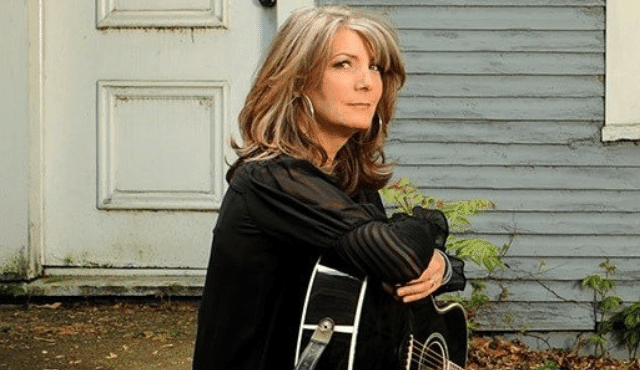
Despite a career that cast her as one of the tippy-top leading women in the genre for the entire back-half of the 80s and well into the early 90s, Kathy Mattea is one of those dark-horse candidates that always seem to slip into the back of the room in these elite conversations. But make no mistake that this troubadour-spirited West Virginian offers as many bona-fides as any of her peers. Her impressive hit resume, which spanned sonic territory that included bluegrass, folk and country-rock influences, established her as a modern master of the country story song with classics like “Love at the Five and Dime”, “Eighteen Wheels and A Dozen Roses”, and “Where’ve You Been”. As the 90s unfolded, she continued to expand her reach both stylistically and socially, with a combination of records and benevolent efforts that made her an unsuspecting rebel in the resistant Nashville landscape. The legacy arc she’s crafted in the decades since her heyday has been just as impressive, with triumphs like 2008’s Coal and 2012’s Calling Me Home, which boldly explored her deep Appalachian roots.
Donna Fargo
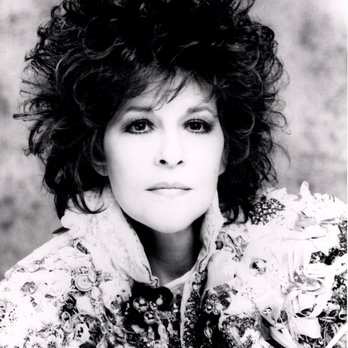
An all-too-often forgotten seventies country super-queen, Donna Fargo was a fierce and scrappy underdog who ultimately carved out a spot at the top of the mountain, side-by-side with genre giants like Loretta, Dolly, and Tammy. She did so with a string of mostly self-penned anthems that were both sugarcoated with pop sparkle, but also full of twangy country spitfire. She induced the entire nation with a coma of smiling ear-candy with the cross-genre smash, “The Happiest Girl In the Whole USA”, before then calling uptight Christians to task for their hypocritical judgments in “You Can’t Be A Beacon (If Your Light Don’t Shine”. She professed unconditional love and devotion one moment in “Funny Face”, before calling her husband’s sexist double-standards to task the next in “Superman”. In many ways, Fargo was as pivotal a feminist voice in the country medium as Lynn and Parton themselves.
Pam Tillis
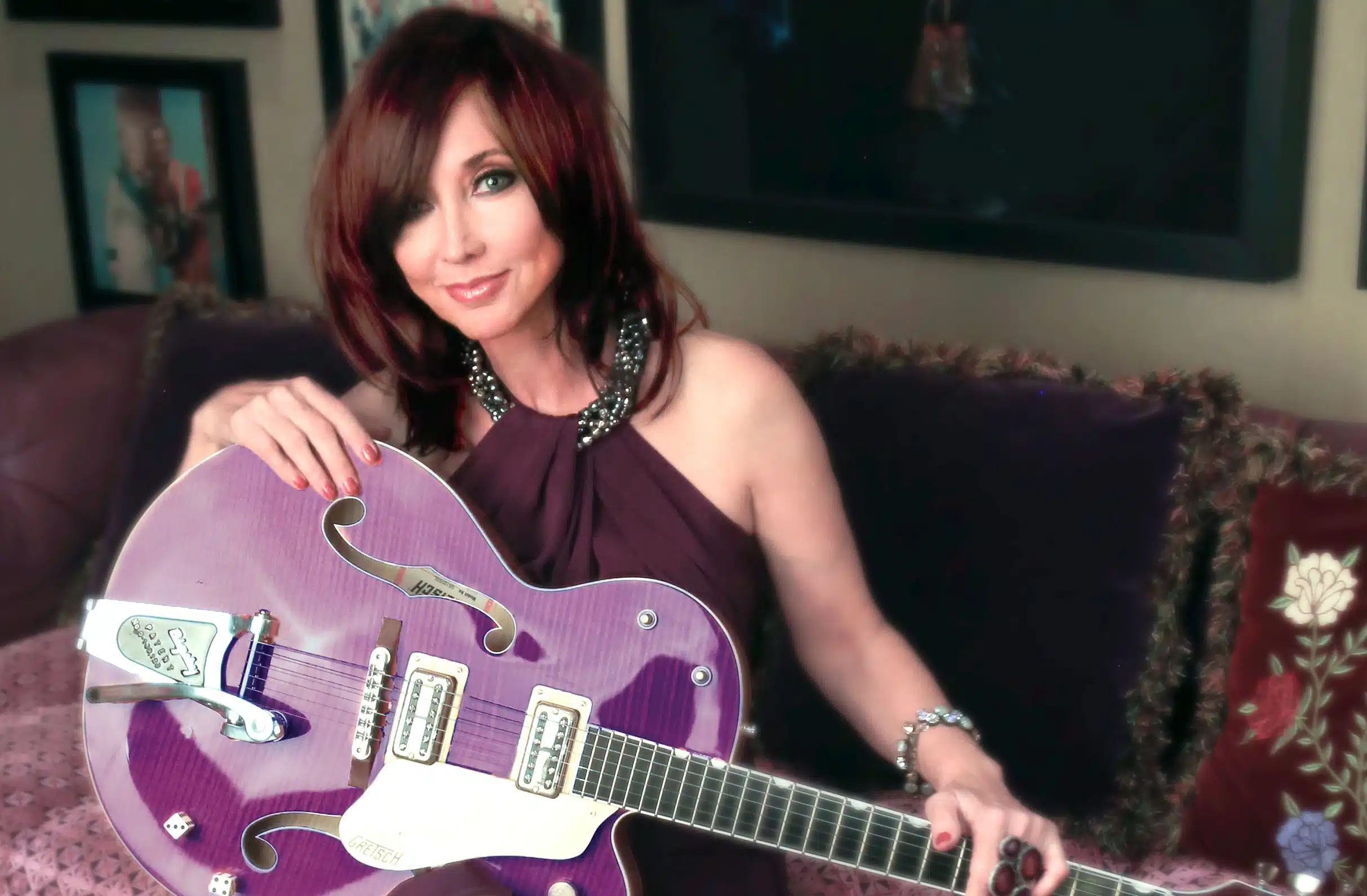
There are few contemporary country catalogs as deliciously adventurous as that of Pam Tillis. During her commercial hot-streak in the early-mid 90s, Tillis was as on her own A-game as peers like Trisha Yearwood and Patty Loveless, in terms of carrying forward the wide open country-rock vision of women like Emmylou Harris, Linda Ronstadt, and Rosanne Cash before them. Chilling career moments like “Maybe It Was Memphis” offered epic country-soul of the highest order, while cheeky and creative turns like “When You Walk In the Room” and “Mi Vida Loca” found her slyly coloring outside the genre lines. Meanwhile, her second-generation country bloodline contributed some of the era’s most heart-wrenching genre standards like “In Between Dances”, “Spilled Perfume”, and “The River and the Highway”. Her post-radio years have been equally alluring, from her sterling tribute album to her Hall of Fame father, Mel Tillis, to her saucy duet projects with bestie, Lorrie Morgan to a string of underground roots classics like Rhinestoned and Looking For a Feeling. If it were up to us, Daddy Mel wouldn’t be waiting much longer for his talented daughter to take his side in the rotunda.

Lucinda Williams
Based on her sheer songwriting legacy alone, Lucinda Williams is inarguably bound for both the country and rock halls. Her unparalleled penchant for composing songs that were simultaneously raw and homespun as well as enigmatically complex often gave her catalog an astounding Dylan-meets-Hank Sr. quality. As a recording artist, she brought these twisted and special tales to life with an insatiably unfiltered melting-pot sound that pulled from the grittiest depths of country, folk, roots-rock, and the blues. Consequently, Williams became a cult-hero that defied musical boundaries, with disparate circles spanning from both contemporary and alternative country to traditional folk and blues to both roots and garage rock finding the common ground in her music to all proclaim her as a hero and an influence. She’s one of those monumental “underground” artists whose catalog will only grow in impact and acclaim through the decades, but let’s not wait that long to induct her, please.
Previous: Part III: 2028
Next: Part V: 2030
 The 706