2027
Mainstays from across the varied 1990s (and beyond) landscape dominate the bulk of this Ballot, but there is still plenty of room made for one of Britain’s most successful 80s exports, as well as respective pairs of under-appreciated 60s stylists, and overdue Early Influences.

Beck
When Beck first broke through to the national consciousness in 1993 with his lo-fi, alt-folk debut, it was impossible to predict that he’d become perhaps the greatest musical chameleon of his generation. Three decades and more than a dozen albums later, the idiosyncratic visionary has taken the music world through a kaleidoscope of stylistic evolutions that has ran the gamut of rock, folk, country, alternative, funk, Hip-Hop, psychedelia, soul, art-rock, and more. As a performer, songwriter, producer, and overall artistic visionary, Beck has set the rare kind bar for musical quality and creative influence typically reserved for his heroes like Bob Dylan and David Bowie. Through all the diversity and expansive exploration, his music remained tethered to a constant artistic identity that was wholly committed to his uniquely organic musical core. The Hall-worthiness of his immense catalog has long been sealed; it’s now time to formalize it with the actual induction to match.
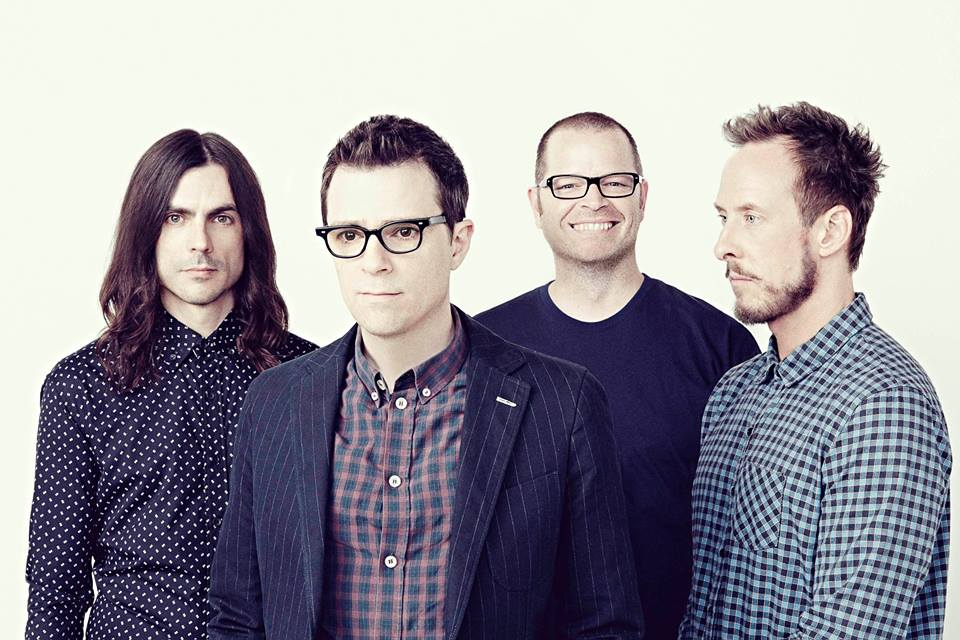
Weezer
Breaking through in the post-grunge scene of the mid-90s with a scrappy hit that further immortalized both Buddy Holly and Mary Tyler Moore, Weezer has been tirelessly creative since, in turn building one of the most intriguing, enduring, and prolific catalogs in modern rock. Led by Rivers Cuomo’s unique vocals and even quirkier lyrical compass, the band’s enormous catalog of iconic hits has rendered them and their music as pop-culture fixtures across four different decades now, and with each distinctive era sounding as fresh and influential as they ever have. Their diverse body of songs and constantly evolving sound has left a lasting impact on the overall rock scene, and has helped further shape nearly ever sub-genre imaginable, from emo and power-pop, to alternative rock and chamber pop. In between, they’ve likewise honored the rock roots of the past with dalliances into classic covers and hard-rock revival records. They’re as vital today as ever before, but their already impressive longevity and legacy is already secured, and unquestionably Hall-bound.
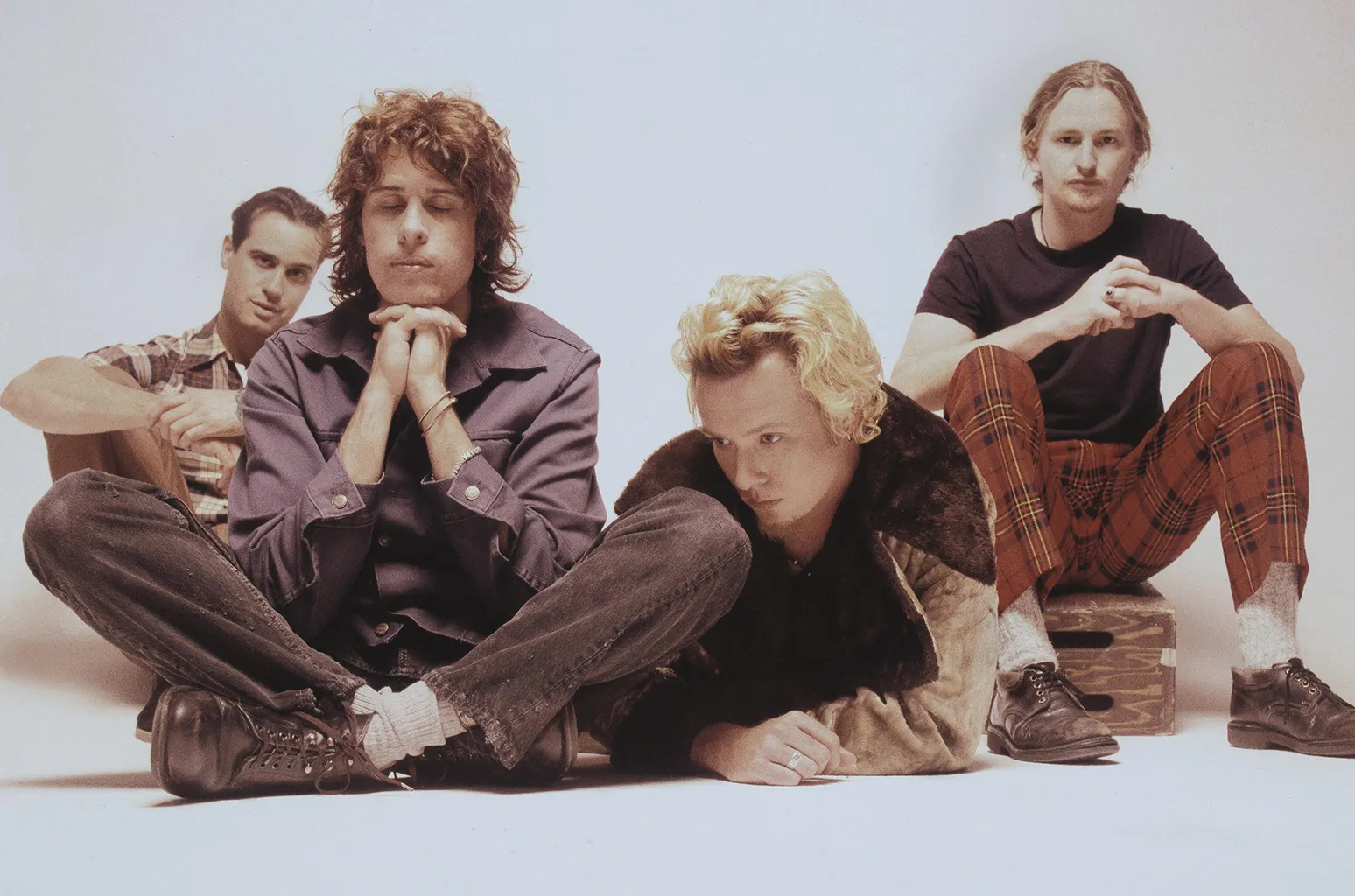
Stone Temple Pilots
Arriving in the early 90s as one of the seminal groups championing the explosive grunge and alternative movements, the critical appreciation and stylistic scope of Stone Temple Pilots both grew dramatically with time, all as they became one of the best-selling acts of the lucrative CD era. Mega-hits like “Plush”, “Creep”, “Vasoline”, “Interstate Love Song”, “Lady Picture Show” and many others were among the era’s most definitive rock anthems. Today, they serve as artistic compasses for the countless aspiring bands that have drawn inspiration from what many consider rock’s final (to-date) golden commercial age. However, the Pilots would also not allow themselves to be pigeonholed into the grungy alt sounds that they helped pioneer, with later albums venturing into disparate other sounds, ranging from neo-psychedelia and more classic rock to orchestral pop, samba, and straight-up chill. Their catalog not only formed one of the definitive landmarks of the mainstream rock sound of the time, but offered a trove of unexpected sonic surprises for those who dug deep.

Dr. Dre
With an impressively multi-faceted career that proved him as an innovator in various roles within the music industry, Dr. Dre is the undisputed Godfather of the entire Hip-Hop stratosphere. As a core member of gangsta rap pioneers, N.W.A. (who were inducted as a group in 2016), Dre was at the center of the Hip-Hop and rap revolutions that brought the entire scene into the mainstream as the 80s transformed into the 90s. Breaking out as a solo artist with 1992’s The Chronic, Dre’s rise to superstardom and influence as a groundbreaking rapper reached new heights with smash singles like “Nuthin’ But A G’ Thang” and “Let It Ride”. This release also marked the launch of his own label, Death Row Records, which throughout the 90s hosted releases from Hip-Hop powerhouses like 2 Pac and Snoop Dogg, placing it at the center of the genre’s ascendance to the heights of the mainstream music world. As the new millennium dawned, Dre turned his attention to producing, where he carved out another legacy, overseeing the soundboard behind landmark releases from the likes of Eminem, 50 Cent, and others.

Billy Idol
Initially finding success on London’s 70s punk scene, Billy Idol parlayed those roots into international fame as one of the leaders of the Second British Invasion of the 80s, a creative stalwart of the MTV era, and ultimately one of the decade’s most popular rock stars. Combining a classic punk attitude and a glam-metal aesthetic with ravenously hooky and accessible radio anthems, Idol struck the perfect balance between the rebellious spirit lingering on the outer-edges of the rock scene and the tastes of mainstream radio. He also became a formative visionary in the new music video medium, with classic hits like “White Wedding” and “Dancing With Myself” earning as much acclaim for their video achievements as their audio ones. His hit streak and platinum sales continued well into the early 90s, and he’s remained an active touring attraction and recording artist in the decades since, while his booming voice, commanding music, and unforgettable imagery all remain forever etched into the popular music consciousness.

Melissa Etheridge
Rising to prominence at the close of the 1980s, Melissa Etheridge played as important a role as any other artist in terms of keeping female artists at the forefront of the rock conversation as the 90s dawned, setting the table for later-decade successes like Sheryl Crow, Alanis Morissette, and No Doubt. She blended the sounds and spirits of classic rock, Heartland Rock, folk, country, and blues and centered it all with her inimitably soulful and raspy vocals. Her thoughtful records spawned smashes like “Come To My Window”, “Bring Me Some Water”, “I Want to Come Over”, and “I’m the Only One”, and endeared her to record-buyers, live audiences, and critics alike. As her recording legacy grew well into the 2000s, she gained additional prominence through her social causes, including LGBTQ+ advocacy, as well as her courageous battle with breast cancer, which culminated in a now-legendary performance at the 2005 Grammy Awards.

Pantera
A firestorm of a band, both in terms of their live performances and experimental musical vision, Pantera helped redefine the boundaries and limitations of heavy metal throughout the 1980s and beyond. Though they originally started firmly planted in the glam-metal trends of the era, they soon ventured toward a more groove-based style of metal that gave the overall movement more creative credibility and substance as it became watered-down by its mainstream popularity. This deliberate artistic pivot helped give Pantera their identity, as well as a loyal following and critical respect. By the mid-90s, they had both become one of rock’s best sellers and had also helped heavy metal reclaim its origins in the wake of the glam and hair-metal fads. In classic rock & roll fashion, internal tensions, controversies and tragedies threatened the band’s existence in the 2000s, before they eventually reemerged in 2023 for a final legacy run.
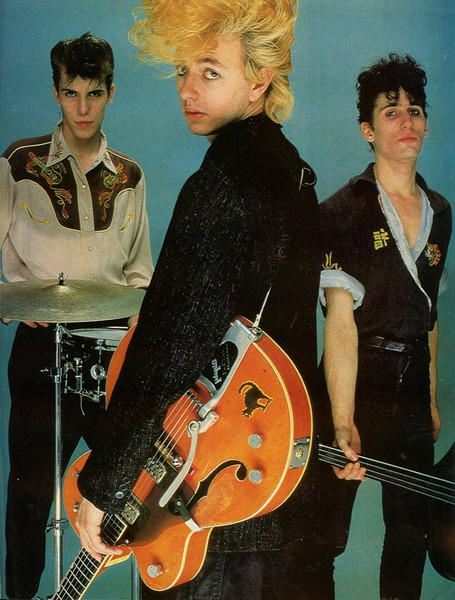
Stray Cats
As the 1970s faded into the 1980s, a multitude of new stylistic movements and sub-genres were uprising and laying the overall foundation for what the rock and pop scenes of the new decade would eventually look and sound like. A rockabilly-fueled revival of 50s rock & roll was not on anyone’s bingo-card at the time. But thanks to the crackling breakthrough of Brian Setzer and his band, Stray Cats, those vintage, formative sounds were once again prominent on the airwaves. Big hits like “Stray Cat Strut” and “Rock This Town” were undeniably retro and the Cats’ aesthetic was certainly kitschy, but they also brought a fresh, New-Wave sensibility to the classic sounds, making them young, fresh and vital once again. Their success brought renewed interest to the classic acts of rock & roll’s infancy, while also giving additional strength to the roots-rock revival scene already bubbling underneath the mainstream. The Strays are Hall-worthy not only for the goodwill they provided rock’s origins by bridging them into a new era, but also for the fantastic music they created that illustrated just how timeless those golden sounds will always be.

Dick Dale
As one of the most influential guitar stylists of all time, and the eternally reigning King of the Surf Guitar, Dick Dale’s absence in the Rock & Roll Hall of Fame is one of the greatest omissions on the institution’s current roster, especially from a pure instrumental standpoint. Dale’s unique guitar picking and experimental exploration of the instrument’s expansive sound were significant in the development and use of reverb, as well as the overall sub-genre of 1960s surf-rock. His crackling collection of performances and recordings serve as a bounty of fascinating and formative rock moments, while his influence would soon leave prominent fingerprints on the work of acts like The Beach Boys and The Ventures and further down the road, in the music of icons like Jimi Hendrix, The Who, Queen, and Van Halen. His addition to the Hall would add a new layer of vibrancy and musical color.

The Shangri-Las
Rock & Roll became the pop-culture behemoth it did in the 50s and 60s largely based on the fact that it gave a musical voice to the experiences of America’s youth. Girl-group The Shangri-Las recognized the topical source material that the teenage experience provided, and took it to a whole new level with the dramatic recordings they scaled the charts with in the mid-60s. Young heartbreak, turmoil, and tragedy became fodder for their biggest songs, “Leader of the Pack” chief among them. The ladies transformed these tales into mini musical cinemas, and consequently gave them their hit-making niche. Their harmonic magic however was not limited to this wheelhouse, and also sparkled on other original material, as well as covers of contemporary hits by the likes of The Isley Brothers. Before long, they found themselves performing on the same bills as The Beatles, The Rolling Stones, and James Brown. Though their run was ultimately short-lived, their legacy nevertheless runs deep, both as prominent luminaries during rock’s breakout years, and through the influences they left behind for future generations of rock bands, male and female.
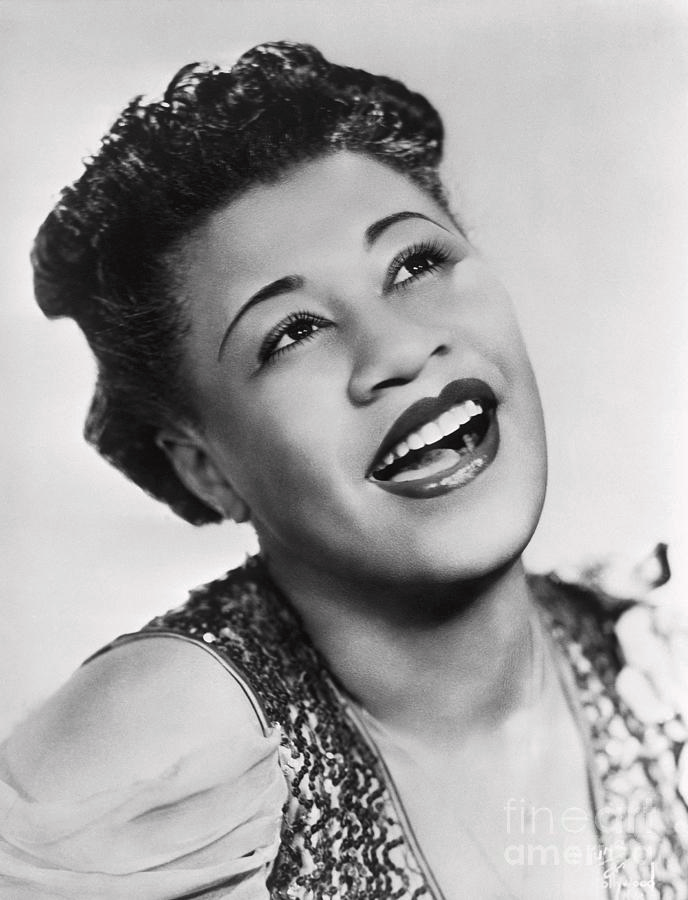
Ella Fitzgerald
Another groundbreaking Early Influencer, Ella Fitzgerald was not only her era’s version of an all-out pop superstar, but she also forever stands as one of the most powerful and standard-bearing pure singers of all time. With an enormous and luminous recording catalog that stretched from the 1930s on through the early 1990s, Fitzgerald’s flawlessly golden and stylish vocal range served as a vessel for many of the greatest Traditional Pop and jazz recordings ever committed to wax. Her collaborations with giants like Louis Armstrong and Duke Ellington were among popular music’s original superpower unions. Her song selection was impeccable, and once her magical pipes graced a song, it indisputably belonged to her forever more. All-time standards like “Mack the Knife”, “Cheek to Cheek” and other American Songbook gems are ultimately defined by her readings of them. Every female vocalist from virtually any genre can trace their roots and influences back to Ella somehow. An untouchable legend in every regard.

John Coltrane
The rich history of jazz music is brimming with musicians and visionaries of the very highest accord. However, few have been bestowed with as much acclaim, respect, and historical reverence than that of John Coltrane. A prolific saxophonist, as well as an accomplished composer and commanding bandleader, Coltrane’s recorded discography is widely counted as one of the most influentially beautiful in both jazz history, and that of music in general. Simultaneously a purest of classic bop-styled jazz, as well as a progressive innovator in the development of contemporary free-jazz, Coltrane’s music served as vital connection between the sounds of the past and the future. He championed both the preservation of jazz’s roots, while also advocated for its forward motion and the creative freedom at the heart of its improvisational fabric. From his best-known works like Blue Train and A Love Supreme to his most obscure recordings, the magic and lasting impact of Coltrane’s art on the entire music world is unshakable, and uniquely its own.
Previous: Part I
Next: Part III
 The 706