2028
Our third Rock & Roll installment of Fantasy Ballots salutes one of the 21st century’s grandest bands and one of its purest classic rock stars, as well as a tantalizing class of varied acts across all corners and eras of the American music story.
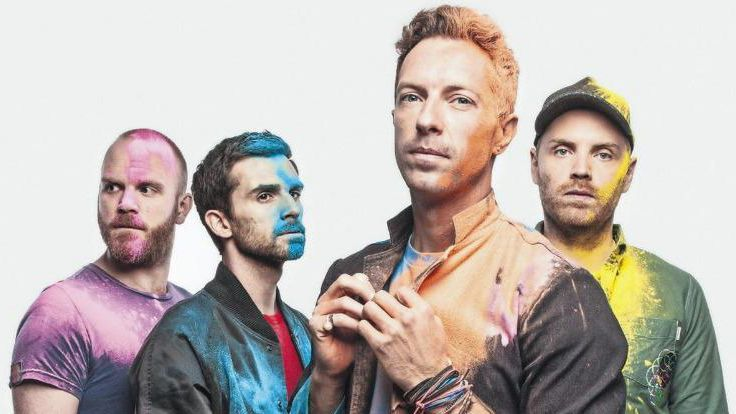
Coldplay
Massive album sales, an onslaught of signature songs, international stadium tours, and critical acclaim for a canon of albums that constantly reinvented themselves artistically. All of these accolades and more have made Coldplay the new millennium equivalent to classic groups like The Beatles, The Rolling Stones, The Eagles, and U2, who all also enjoyed reigns as the world’s biggest band. Emerging at the dawn of the century with their classic debut LP, Parachutes, this launched a run of colorful, experimental, and nevertheless accessible records that crossed genres and set new benchmarks for the stylistic and topical ground that would be covered in post-Y2K popular music. Now-classic tracks like “Yellow”, “Viva La Vida”, and “Clocks” rank among the most gorgeously evocative and alluring moments in the universal music canon, offering sounds and emotions as transportive as any of the records from any other era in popular history. It’s a uniquely special quality that is wholly representative of their entire canon, and the reason that they ascended, and remain, among the most commercially lucrative and critically respected acts of their generation.

John Mayer
When John Mayer broke through to the rock and pop zeitgeist in the early 2000s, he represented a musical species that many purists worried had become extinct in the synthetically neutered music scene of the 21st century: a classic rock star. Combining singularly evocative vocals and an incisive songwriting-driven vision with the dexterous instrumental gift of previous rock-Gods like Eric Clapton and Mark Knopfler, Mayer graced the contemporary charts with a fresh-eyed but straight-forwardly classic style of rock music. He received the kind of out-of-the-gates acclaim and savior-labeling that cripples so many new artists that present an organic nod to the past. Thankfully however, Mayer produced the substantive collection of hits and albums that not only matched his early darling status, but that also allowed him to become one of the best-selling and most consistently reliable artists of the decade. Also like the greats he was often compared to, his creativity and vision extended well beyond his time on the hit parade, with his work in the 2010s and 2020s continuing a richly deep body of music that extended into explorations of folk, country, and soft rock.
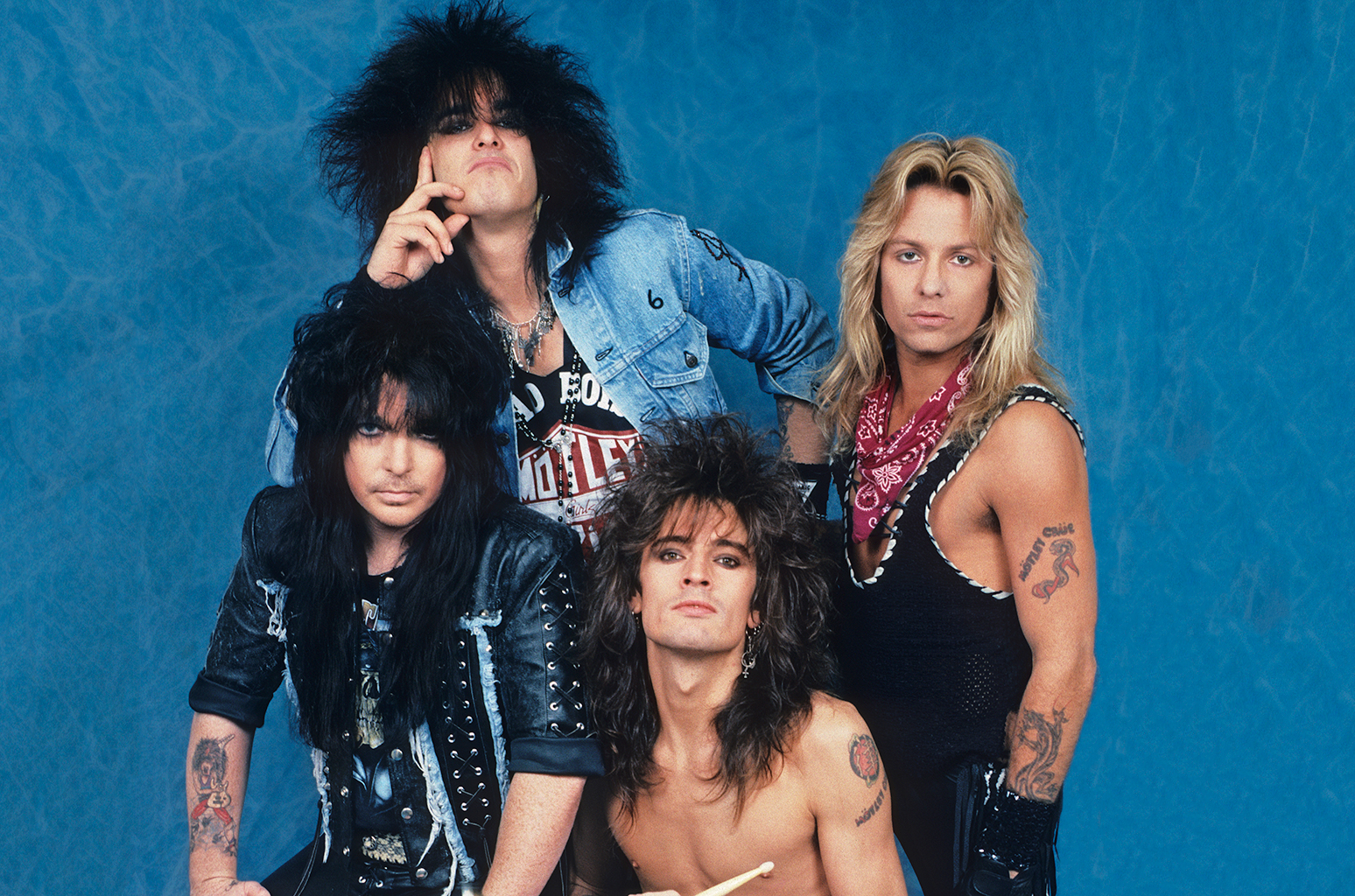
Motley Crue
Few groups personified the most dramatically chaotic excesses or controversial notoriety of the purported rock lifestyle than heavy metal giants, Motley Crue. Across their four decades in the upper-echelon of rock band royalty, the group was constantly battling internal rivalries, brushes with the law, personal scandals, among other tabloid fodder. And that troubled, rebellious spirit was also at the heart of their many hit songs and albums as well. But with soaring record sales backed by a rabid fanbase and seemingly endless farewell & reunion tours that were legendarily (and sometimes literally) explosive, their story also came to define one of great perseverance and against-all-odds longevity. Above all, their music stood the test of time. Besides just being an impressively durable arsenal of fun and electrifying hits, their catalog today represents both the best of the time-trapped glam-metal trends of a specific period, as well as the rare artistic tenacity and long-lasting evolution that eluded so many of their contemporaries at the time.

Alanis Morisssette
Thirty years have passed since Jagged Little Pill rightfully commanded the entire world’s attention, and it nevertheless remains alarmingly quaint and mind-blowingly impressive that Alanis Morissette crafted and released that harvest of iconic songs at the mere age of 21. Her growling vocal deliveries, earthquaking arrangements, and deeply literate and emotional songwriting were all well beyond her years. But what was most mesmerizing about her work was its baffling authenticity; you knew Alanis was indeed expressing the stories of her own existence. And she did it with a harsh, unflinching honesty and rawness that put in her stark contrast to her female pop contemporaries, while also proclaiming her as a new rock hero. In the process, she became a guttural voice for both coming-of-age girls and mature adult women all over the globe. She also set both the commercial and artistic benchmark for herself staggeringly high, and while those sales numbers never quite repeated themselves, the depth and potency of her songs and music only grew as she herself navigated into her own adulthood. An important artist whose long-standing merit and achievement should never be in doubt.
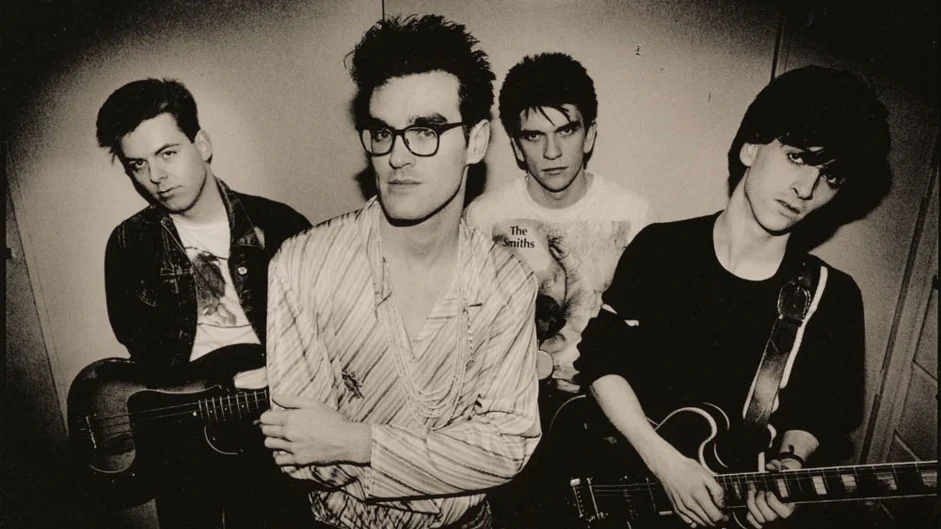
The Smiths
When The Smiths broke through in the mid-1980s, their wildly independent style flew directly in the face of the synth-driven New Wave sounds of their fellow bands that helped make up the Second British Invasion. Consequently, their group didn’t become the massive hitmakers that their contemporaries did. Instead, they became unmitigated critical darlings and ultimately pivotal forefathers of the alternative rock movement that would take hold over the course of the next decade. For die-hard rock lovers starving for an alternative to the synthesized sounds of the mainstream, the four records released by the Smiths throughout the mid-80s provided a insatiable feast, defined by the hauntingly magical combination of Morrissey’s other-worldly lyrics and vocals and Johnny Marr’s entrancing guitar playing and musical arrangements. Unfortunately, the band’s union wouldn’t live to see the 90s scene that their music helped predict, and decades of rumored reunions have proven fruitless. Regardless, their seminal work during those four fleeting years, and the solo work they released in their aftermath, have graced an impactful path that should lead all the way to the Hall of Fame.
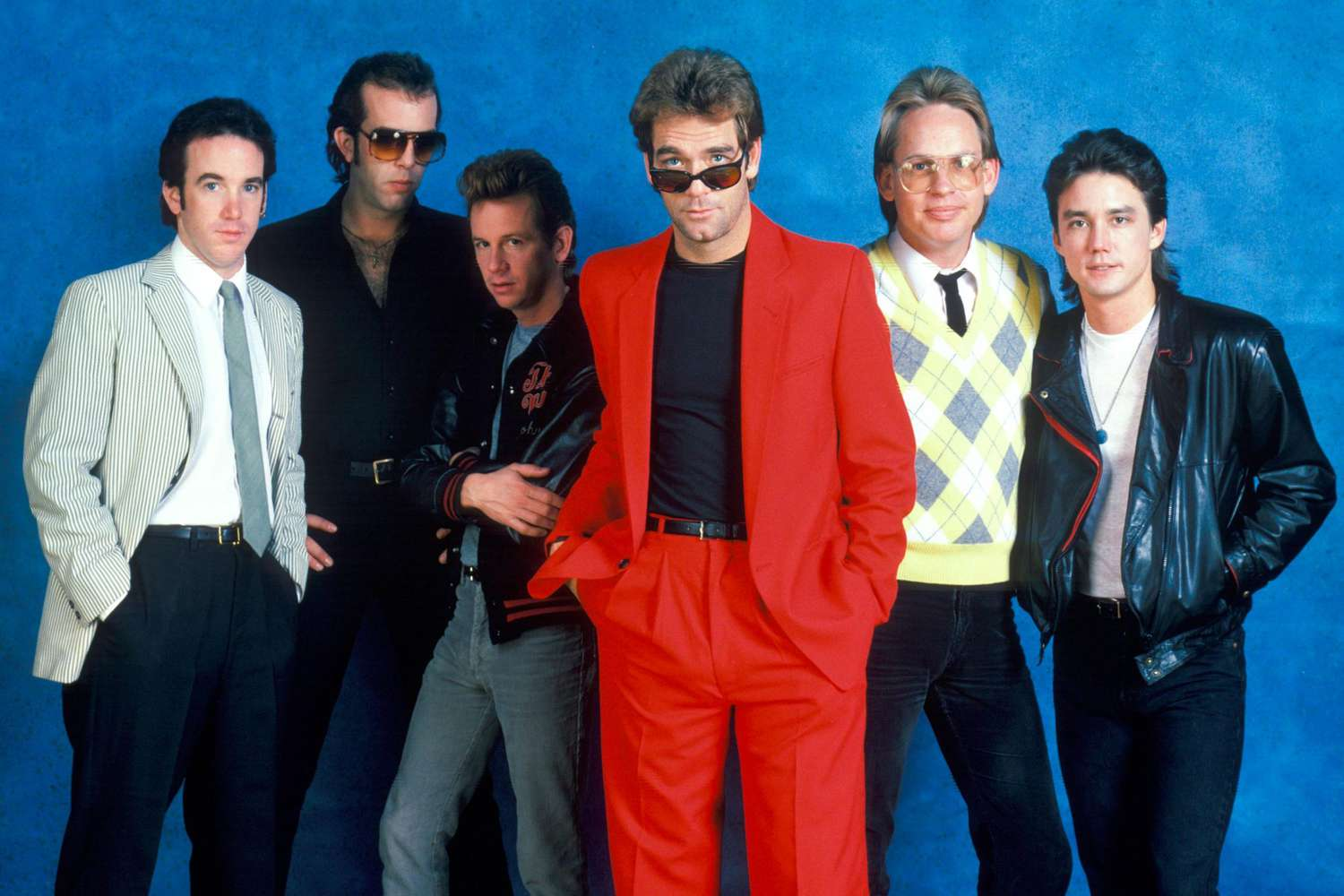
Huey Lewis & The News
With a resume boasting a dozen top ten singles, 30 million in album sales, and four decades as an internationally-adored headlining act, it’s a puzzling mystery as to why Huey Lewis & The News are still in the Hall of Fame’s waiting room. Actually, it’s fairly commonly assumed that their shutout is attributed to the accurately assessed lightweight nature of their material. I’ve often preached on the digital pages of this blog that some of pop and rock’s most essential ingredients are fun and frivolity. Lewis and the News delivered these quantities in droves, and they shouldn’t be redacted any critical points for this fact. Nor should it be assumed that crafting such a brand of music is easy; there’s most definitely an art to it. And their mastering of that art resulted in one of the most joyously entertaining and enduring hit-streaks in rock & roll history. They most definitely helped keep the heart of rock & roll beating during a new and unproven landscape, and deserve the enshrinement that should come along with it.
Styx
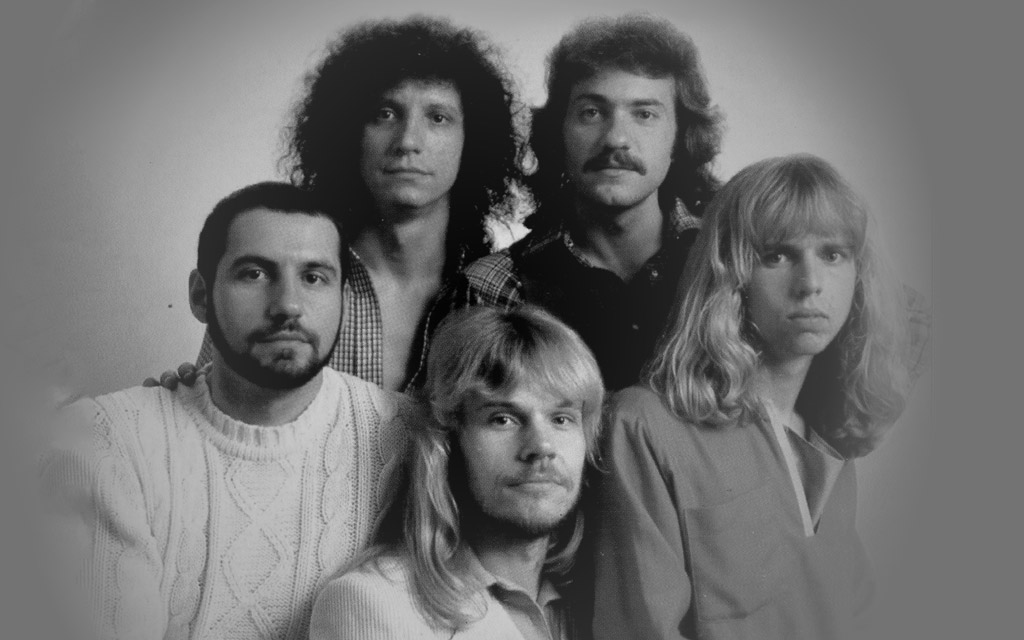
While their popularity with their passionate core fanbase has remained strong with the passing of five decades, its entirely slept on today how innovative the music of Styx truly was, especially at the height of their hit-streak between the mid-70s and mid-80s. Their music was undeniably influenced by the modern rock trends of the day, however the group’s sound also paired those influences with more abstract, theatrical flourishes that immediately set their music apart from the surplus of rising bands of the era. From the drippy power-balladry of “Babe”, to the hard-rock of “Renegade”, to the progressive rock cinema of “Come Sail Away”, their biggest songs naturally exist within the very ether of the rock & roll lexicon. Explore deeper into their conceptually-driven LP catalog, and you’ll discover even more of the expansive stylistic surprises that awaited the 70s and 80s fandom that helped send their sales stats into the 20-millions by 1985, and eventually into the 50-millions worldwide where they lie today.
Jethro Tull
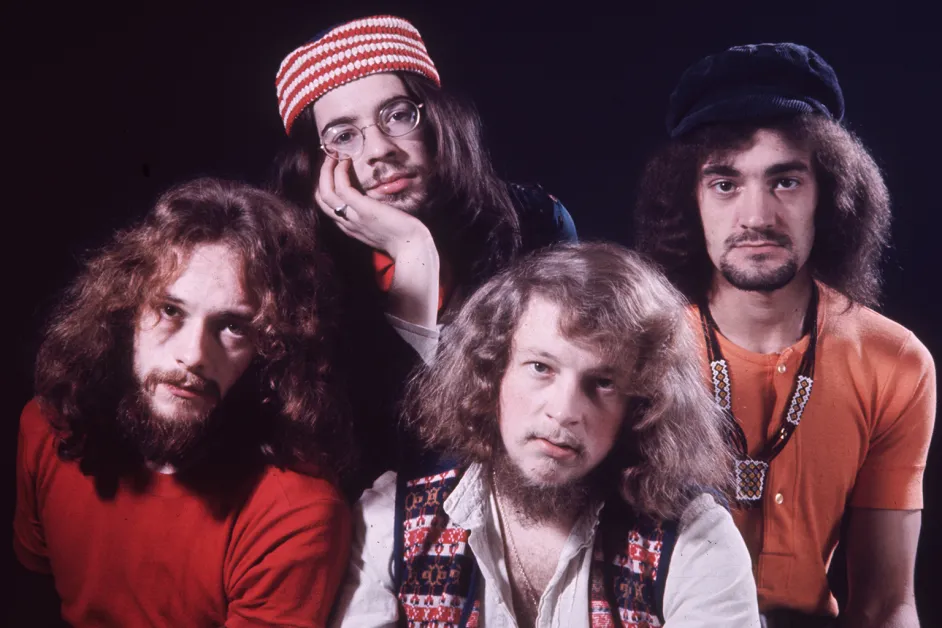
They may have never reached the famous heights of The Beatles and The Rolling Stones or Pink Floyd and The Doors, but Jethro Tull were a significant creative force in terms of furthering the development of the progressive rock movement that was essentially birthed by classic records released by those marquee acts in the late 60s and early 70s. But these Blackpool boys were right there alongside those bands, crafting some of the most adventurous and rewarding rock albums of the entire era. Their sound was a bubbling bastion of English folk, blues, jazz, hard rock, and even classical music, an eccentric but brilliant sonic landscape where flute solos and hard guitar riffs infamously sat side-by-side. This uniquely fetching and seamless blend of sounds has forever set them apart from the crowed classic rock field. Albums like Aqualung, Thick as a Brick, War Child, and Crest of a Knave remaine towering touchstones in the rock storybook decades later, with countless other hidden gems primed for rediscovery in their catalog.
Jane’s Addiction
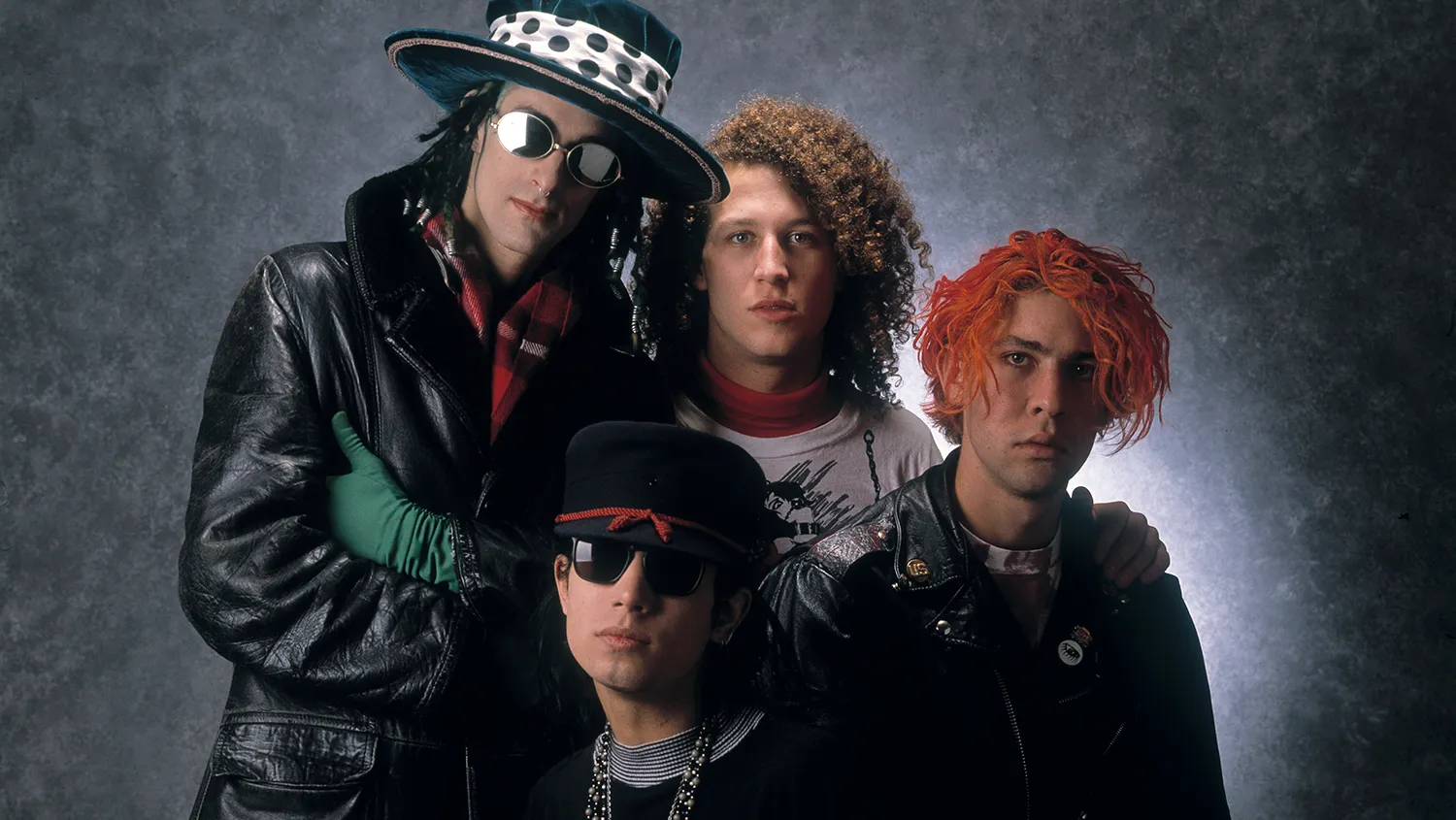
Jane’s Addiction entered the national rock scene in 1987, with the one-two punch of a ravenous live debut and a groundbreaking first studio set. This was still several years before the grunge and alternative movements went into commercial overdrive and subsequently altered the direction of mainstream rock. But with albums like Nothing’s Shocking and Ritual de lo Habitual, as well as definitive singles like “Jane Says” and “Been Caught Stealing”, the band’s gritty sonic framework went directly against the gaudy glam-metal of the 80s, helping to set the stage for the colossal breakthroughs of bands like Nirvana, Pearl Jam, and the many others to emerge in that vein. In 1991, the band helped found Lollapalooza, originally conceived as a “farewell” tour for the group. Instead, Lolla would go onto become one of the most iconic and long-running musical festivals in American history, while Jane’s Addiction would survive a slew of break-ups and hiatuses, remaining a live performing draw up to the present..well, depending on which day you ask.
Captain Beefhart
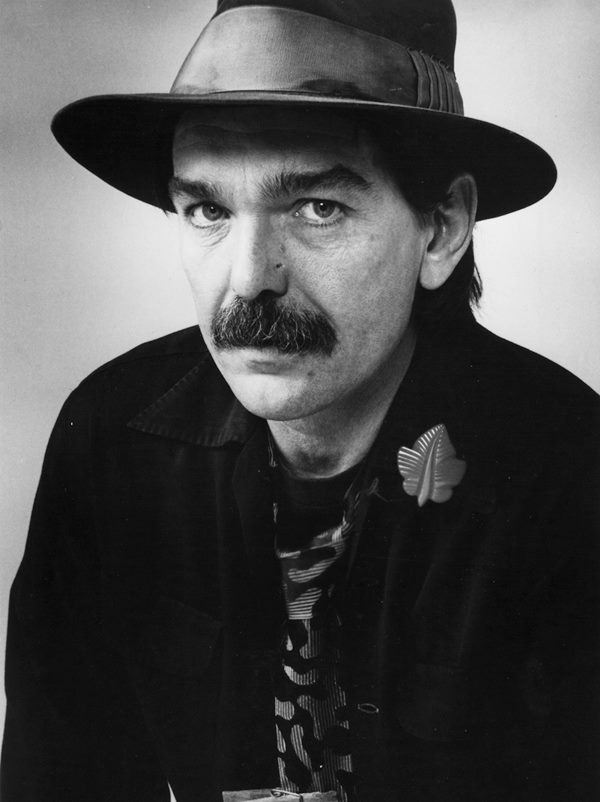
Without question or comparable peer, Captain Beefhart is one of the most mysteriously singular and brilliant artistic voices to ever grace the music industry. His commercial success was limited, and his radio chart presence non-existent, with musical gate-keepers left to do nothing but sit in awe of his bewildering musical creations. But that’s precisely why the cult-hero is so important to the overall rock story. He took no prisoners and drew himself no boundaries when it came to his artistic expression and the vision for his music. With a voice that was simultaneously loaded with rock gravel and an astounding operatic range, Beefhart’s stylistic reach was equally expansive, experimenting with everything from jazz and blues to classic rock and all-out avant-garde. With his Magic Band, Beefhart brought the very idea of progressive rock to the wildest extremes, resulting in a kaleidoscopic musical body that has been fascinating and inspiring audiences and fellow artists alike ever since.
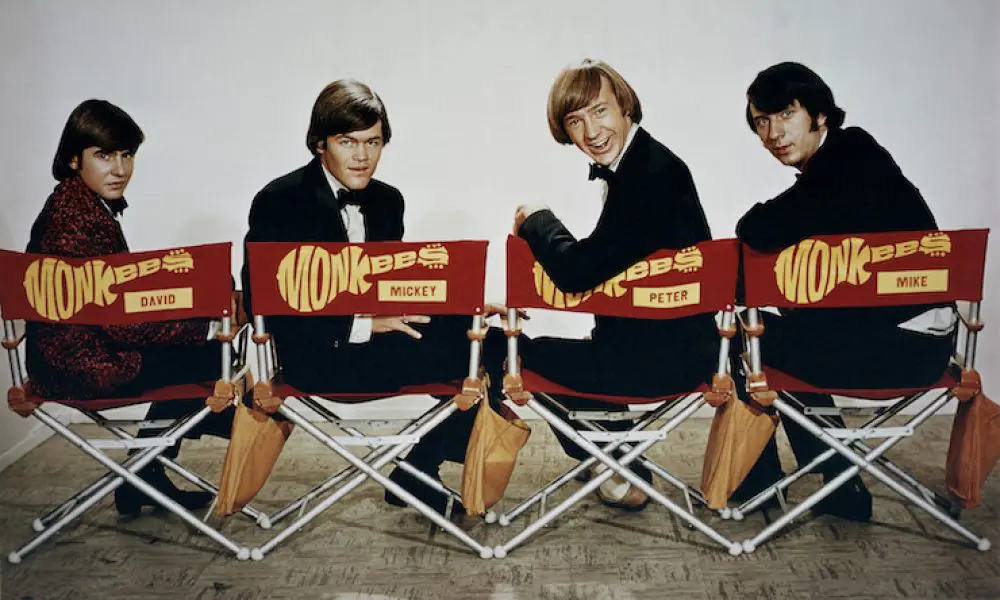
The Monkees
Okay dude, get your eye-rolls and rock snobbery out of the way. For all their critical disdain and cheesy camp, the God-damned Monkees were indisputably a culturally pivotal component of rock & roll’s golden age in the 1960s. Originally assembled as a fictional group for the purposes of their television series, The Monkees, the quartet quickly became a pop-culture phenomenon and rose to musical prominence as a legitimate band. Beloved singles like “I’m A Believer”, “Daydream Believer”, “Last Train to Clarksville”, “(I’m Not Your) Steppin’ Stone”, and even their television theme are unshakable sixties chestnuts, and the extension of their popularity throughout the decades ultimately rendered them one of the longest-performing groups of their era. Meanwhile, their television series stands as one of the most successful early integrations of music and television, helping to lay the groundwork for everything from 60s/70s-era variety shows and music videos, to the onslaught of reality-television stars of the late century and new millennium.
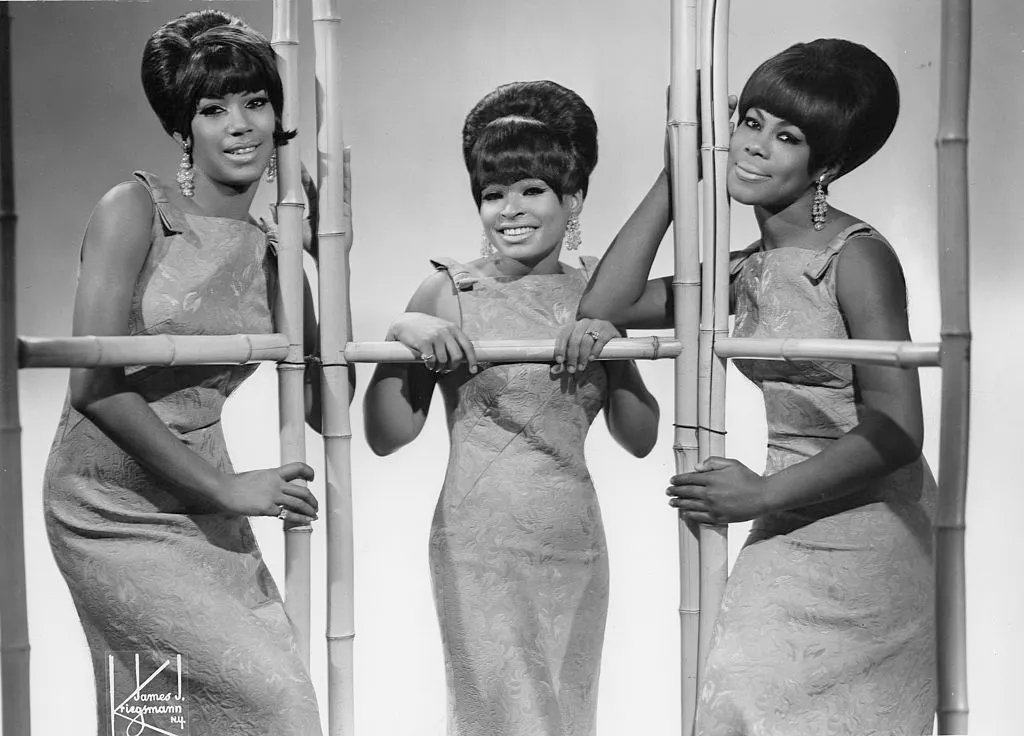
The Marvelettes
With eternally golden hits like 1961’s “Mister Postman”, The Marvelettes were pioneering darlings of the rich girl-group scene of the era, and as Motown Records’ first act to reach the coveted top spot of the Billboard Hot 100, the trio was also pivotal in Motown’s ascendance as one of the most influential record labels in music history. All of this success occurred on the strength of the group’s gorgeously soulful and harmonic voices, as well as a fresh blend of pop, rock & roll, and R&B sounds. It was a magically powerful hit-making formula that paved the road for the mega-successes of other girl groups like The Supremes and Martha and the Vandellas, and decades later, The Pointer Sisters, En Vogue, and Destiny’s Child. It’s cliched to say but it’s true: the Marvelettes walked so these groups could run. And their influence extended far beyond the girl-group circuit, with their songs and stylings appearing in future records by the likes of The Beatles, The Carpenters, and as recently as 2017, Portugal. The Man.
Previous: Part II
Next: Part IV

