2029
Our fantasy-vision for the year 2029 looks to manifest induction for a melting-pot of acts who have come to define the diverse realms of alternative, pop, metal, Hip-Hop, roots-rock, post-punk, and much more.

The Killers
Few modern ensembles have done more to bridge the gap between the past, present, and future of rock & roll in the 21st century than The Killers. With a flashy but gritty sonic landscape pulling from everything from alternative, glam, and Heartland to New Wave, synth, and post-punk, Brandon Flowers and his superb band have assembled a sterling catalog of albums that distilled all of these expansive influences into a central sound, one both deeply rooted in the origins of classic rock & roll and with an innovative eye toward the future. When pundits proclaim the death of rock & roll with the passing of each new decade, the Killers stand tall as one of the evidentiary acts that it is indeed alive and well. Since emerging in 2003 with their electrifying debut, Hot Fuss, and its seminal lead single, “Mr. Brightside”, the band has been one of rock’s most consistent leading acts, both commercially and artistically. Tracks like “Brightside,” “When You Were Young”, “All the Things We’ve Done”, “Human”, “Somebody Told Me”, and more stand today as generation-defining classics, and both their commercial sales and live-show reputation are among the most respected across popular music. And with a catalog that continues to evolve and inspire, their legacy is one that will continue to be written long after they take their well-deserved call from the Hall.

Beyonce
For anyone out there that doubts Beyonce’s destiny as a first-ballot inductee into the Rock Hall, well, bless your sweet, little hearts. She’s a generational icon whose influence has spanned across all corners of music and popular culture, and it only continues to grow with the passage of time and the release of new albums, each of them a bold artistic statement and an era-shaping cultural moment. Her level of acclaim and accomplishments is inarguably at the same heights as any other modern pop or rock icon that has preceded her into the Hall, be it as a pure singer, entertainer, hit-maker, or sonic visionary. For the past quarter-century, she has helped soundtrack the musical lexicon with her modern molding of pop, R&B, dance, and soul, as well as her dalliances into the arenas of Hip-Hop and country. And while she has yet to record a pure rock album, the current chatter surrounding the next act in her ongoing trilogy suggests that could very well come to fruition by the time 2029 is here. Whether that truly happens or not is ultimately inconsequential though. Her HOF destiny is already locked in.

No Doubt
One of the most colorfully creative and accessible rock acts to emerge in the fruitful era of the mid-90s, No Doubt remains one of the most enduring stylistic forces and beloved bands of the past three decades. Led by the inimitable vocal stylings of front-woman (and future solo superstar) Gwen Stefani, and boasting a vibrantly, ear-popping sonic blend of ska, punk, alt-rock, New Wave, reggae, and straight-up pop, their onslaught of smash singles and big-selling albums sounded like nothing else at the time, and remains as uniquely identifiable today. Breaking through with their massive third album, Tragic Kingdom, Stefani and her boys scaled the highest heights of rock and pop superstardom for the better part of the next decade, on the backs of classics like “Don’t Speak”, “Spiderwebs”, “Just A Girl”, “Simple Kind of Life”, “Hey Baby”, “Hella Good”, “Underneath It All”, and “It’s My Life”. Though the consistency of their output stalled upon Stefani’s solo breakthrough in the mid 2000s, they have remained an active band and a lucrative box-office draw to this day, with their quirky and splashy influences leaving a lasting mark on today’s pop and rock scenes.

The Smashing Pumpkins
The explosion of alternative rock’s mainstream popularity throughout the 1990s simply doesn’t look and sound the same, nor does it reach the same dizzying heights, without the presence of The Smashing Pumpkins. Formed in the late 80s by frontman and lead guitarist Billy Corgan, their 1991 debut arrived just as the grunge and alternative movements were taking captive of the direction of mainstream rock. By the time their sophomore release, Siamese Dream arrived in 1993, the tone of the rock scene was primed for the Pumpkins to break through in a major way. Not only did they do so on the strength of hits like “Cherub Rock”, “Today”, and “Disarm”, but they helped extend the reach of 90s rock to new, pivotal places, and set the tone for the genre as it sped toward the new millennium. Centrally defined by the piercing nature of both Corgan’s voice and their song’s lyrical messages, the Pumpkins became creative leaders in the rock scene, with albums like Dream, as well as 1998’s Adore, and especially 1995’s Mellon Collie and the Infinite Sadness becoming definitive landmarks in the American music storybook. Their recorded legacy has extended well into the contemporary era, with projects like the three-act rock-opera, Atum representing a band still very much creatively evolving.
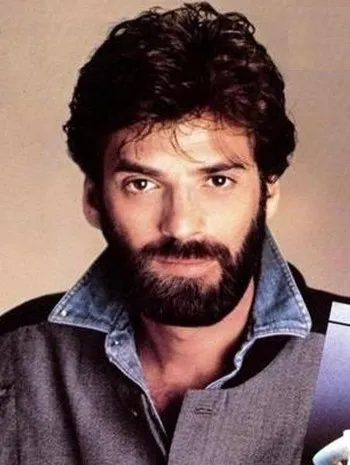
Kenny Loggins
While there’s no denying that massive hits like “Footloose”, “I’m Alright”, “Danger Zone”, and “Nobody’s Fool” beat strong as the heart of Kenny Loggins’ musical legacy, his perennial title as the King of the Movie Soundtrack only beings to scratch the surface at the depth of his contributions to popular music over the course of a five-decade career. For over a decade before his movie cuts brought him his greatest level of stardom, he rose to prominence as one of the era’s most sought-after and emotionally resonant singer-songwriters. He scored record-setting success for a musical duo as one half of Loggins & Messina, enjoyed hit duets with the likes of Stevie Nicks and Steven Perry, and wrote smash singles for artists as diverse as The Doobie Brothers and Anne Murray. He remained an enduring musical favorite well after his radio days ended, with niche projects like his series of Pooh Corner albums and his beloved holiday record, 1998’s December. He balanced those more subdued segues with a consistent touring presence that continues to assert his enduring chops as one of his era’s most beloved pop-rock performers. Simply put, the music (and movies) of one of pop culture’s most iconic eras would sound completely different without Kenny Loggins.
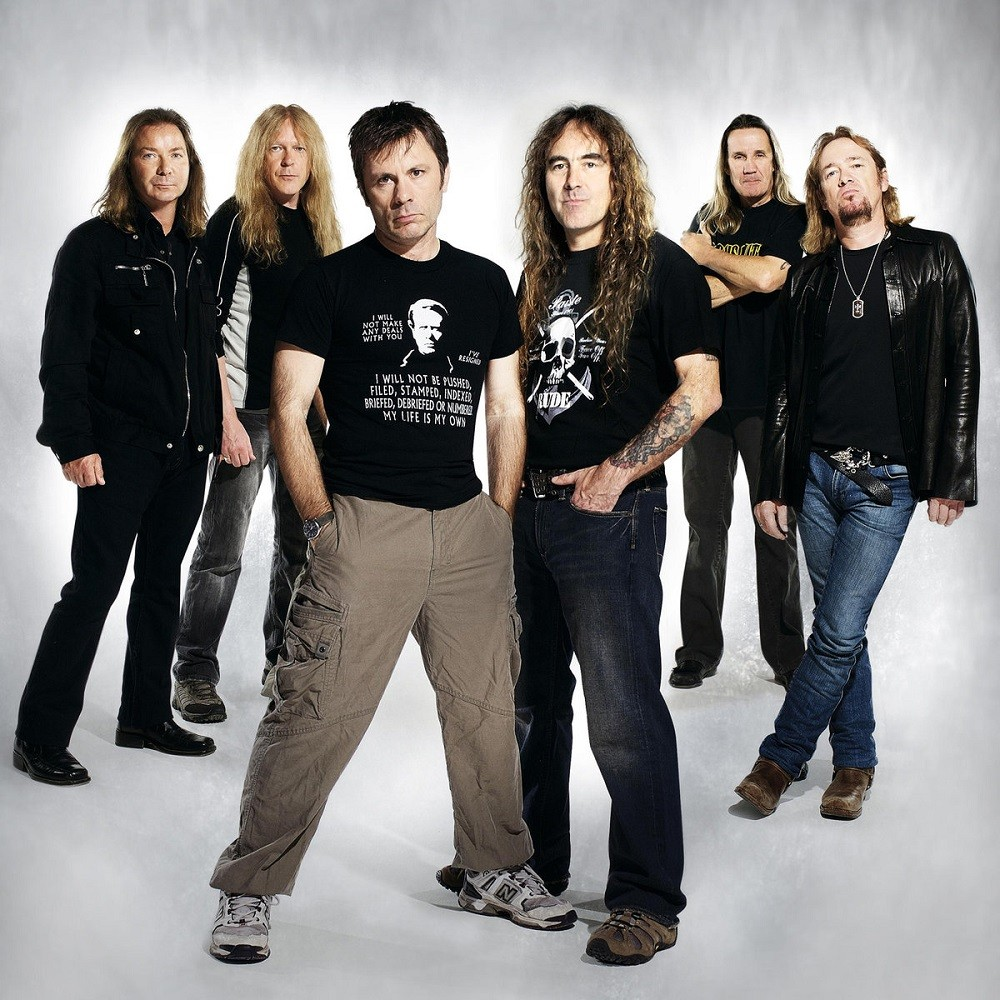
Iron Maiden
Over the course of three distinct career acts, London-based Iron Maiden reigned as one of heavy metal’s most important creative compasses. They spent the back-half of the seventies honing a sound that would ultimately cast them as pioneers in the forthcoming wave of UK-originated metal bands that would help usher in the second British Invasion of American music in the next decade. The arrival of Bruce Dickinson as the band’s new lead vocalist on their 1982 third album, The Number of the Beast, gave them the signature breakthrough they had been waiting on. Beast eventually moved over twenty million copies internationally, and provided Maiden with their most significant radio anthems on both sides of the Pond. This success launched a run of hit records throughout the rest of the decade, releases that confirmed the band as one of metal’s most consistent curators, as they evolved their sound and the direction of the genre as a whole. Comeback efforts in both the late 90s and the 2010s proved successful, and have allowed Iron Maiden to stand tall today as one of heavy metal’s true and rare surviving legacy acts.

The Fugees
As has been proven before with previous inductees, an act need not necessarily produce a decades-long career to secure a Hall of Fame-worthy legacy. The Fugees- consisting of Lauryn Hill, Wyclef Jean, and Pras Michel— are a perfect example of this fact. With the release of just two long-players in the mid-90s, specifically 1996’s The Score, this trio helped transcend the artistic heights of Hip-Hop to new levels of greatness. Their imaginative sonic melting pot of rap, R&B, reggae and soul was a stylistic and cultural revelation. Not only did it produce legendary 90s moments like their recreations of classics like Roberta Flack’s“Killing Me Softly” and Bob Marley’s “No Woman, No Cry”, but it also gave birth to some of Hip-Hop’s most definitive records, including “Ready or Not” and “Fu-Gee-La”. Their impact was also felt far beyond the normal industry benchmarks of chart and sales success, with the socio-political messages of their music proving vital in reshaping the narratives surrounding sensitive subjects such as immigration, racism, and numerous other social prejudices. Although their run was disappointingly short-lived, and their collective catalog at-times overshadowed by the post-band solo accomplisments of its members, the Fugees’ legacy remains among the furthest reaching across a crowded field of iconic 90s groups.

Motorhead
For four straight decades, Motorhead consistently carried the banner for unapologetically thrashing heavy metal. Much like the aforementioned Iron Maiden, Motorhead arose out of London’s underground rock scene in the 1970s, and in the 1980s helped bring the global identity of metal music forward into a new and rapidly evolving musical era. Led by the unparalleled vocal ferocity of Lemmy Kilmister, the group immediately claimed a distinctive sound that could never be confused with any other group in the noisy and often-monotonous metal scene. Their initial trifecta of studio albums (Overkill, Bomber, and Ace of Spades) provided the rock canon with many of its definitive metal anthems, and their music was emphatically immortalized with their 1981 live record, No Sleep ’til Hammersmith, which became their peak commercial achievement and is today regarded as one of the greatest live records of all time. For the next three-plus decades, as countless other bands came and went, Motorhead remained a constant presence in the rock universe, both influencing those that followed and artistically evolving along with them. They continued actively recording and touring until Lemmy’s death from cancer in 2015.

Rick James
One of the most diverse and creative musical visionaries of his era, Rick James‘ career was as frequently mired in controversy and misunderstanding as it was in musical acclaim. But there’s no denying that his talent and artistic vision was as endlessly fascinating as his oddball personality, and all of this coalesced into one of the most eye-popping catalogs of its time. After navigating a youth mired in restless relocation and much musical experimentation, James found his true musical identity upon signing to Motown’s Gordy Records in the late 70s, with his recordings unveiling an endlessly dazzling and infectious bastion of crackling rock, raunchy funk, and impassioned soul. Hits like “Super Freak”, “Give It to Me Baby”, and “Ebony Eyes” have lived on as some of the most exhilarating moments of their era, both through their original carnations and infamous samplings like MC Hammer’s “U Can’t Touch This”. And to this day, nobody can touch James’ unique place in the pop music universe.

The Black Crowes
Bursting onto the rock scene with their 1990 debut, Shake Your Money Maker, roots-rockers The Black Crowes arrived at a time in the mainstream when bands of their kind saw their “it”-factor at its lowest point, but their necessity was rarely greater. As the American music landscape worked to recover from the gawdy rock glamour of the 80s and geared up for the grungy revolution of the 90s, the Crowes emerged with a modern take on the blues and Southern sides of classic rock that felt like a saving grace for lovers of pure and simple rock & roll. Their sound and songs were authentic descendants of what seemed like a bygone era, and one that many rock purists had feared would never return. But the Crowes were far from a mere revivalist novelty; their records were ripe with a fresh and new energy that helped usher in a new wave of roots rock vitality, and would serve as a blueprint for future generations in keeping the spirit of honest rock music alive. Three-plus decades later, the Crowes are still leading that cause right alongside that new generation, speaking further to the timeless magic of the musical styles they’ve always championed.

Fiona Apple
With an artsy and ruthlessly non-commercial body of music, Fiona Apple quietly became one of the most essential among the many female mavericks of the 90s rock scene. Pulling from influences as vast as classic pop songbirds like Ella Fitzgerald and Billie Holiday and edgy, alternative poets like Laura Nyro and Kate Bush, Apple has assembled a masterful catalog that, while slight in sheer length, has proven impressively vast in scope. All five of her studio recordings, spanning from 1996’s Tidal to 2020’s Fetch the Bolt Cutters have been universally acclaimed as artistic pillars of their given eras, with each of them revealing new and inventive possibilities within the realms of her own artistry, and popular music in general. Meanwhile, Apple’s influences on the next generation of musical talents are prevalent in the work of contemporary names like Lana Del Rey, Billie Eilish, Regina Spektor, and Olivia Rodrigo.

The Buzzcocks
Although their recordings didn’t ultimately generate the massive sales, radio-dominating anthems, or iconic pop-culture moments as so many of the other British bands of the late 70s and early 80s, The Buzzcocks unequivocally paved the way for an array of the bands that eventually did enjoy such riches. Their lasting influence is largely credited as a major building-block in the successful wave of fellow post-punk bands and progressive rock groups that took hold as the seventies transformed into the eighties, including notable fellow Manchester peers like Joy Division and The Smiths. Meanwhile, their creative impact can likewise be traced further through later acts like Green Day, Blink-182, and Paramore. Their 1979 collection, Singles Going Steady is quietly regarded as one of the greatest rock compilations of all time, and reads like a how-to-manual in crafting punk-rock of the highest order. On the strength of this critical regard and a rabid cult-fanbase, the Buzzcocks would go onto build an electrifying catalog that has extended into its sixth decade, one that deserves to be capped with Hall of Fame immortalization.
Previous: Part III
Next: Part V
 The 706