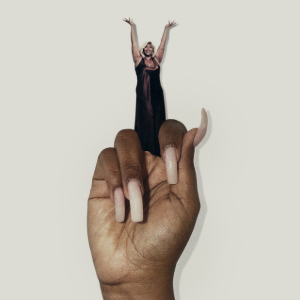
Lizzo- Bitch
Label: Atlantic
Producers: Lizzo, Ricky Reed, Blake Slatkin, Pop Wansel, Cheche Alara, Cashmere Cat, Ben Darwish, Daoud, Tay Keith, Carter Lang, Billy Lemos, Nate Mercereau, Zack Sekoff, Dylan Wiggins
The setting for the release of Lizzo’s new studio album looks vastly different than that of her last, just four short years ago. In 2022, the Special album further accelerated the singer and rapper’s ascendance to pop superstardom, producing one of the decade’s biggest smash songs in “About Damn Time” (which ultimately snared the Grammy Award for Record of the Year), while her continued, seemingly unflappable buzzworthiness also landed her a coveted spot on the smash Barbie soundtrack. Things quickly took a sour turn however when a group of her back-up dancers leveled a slew of harassment and discrimination allegations against the artist, effectively compromising her signature brand of self-love and acceptance, as well as her career entire trajectory. Last year’s mixtape, My Face Hurts From Smiling regained some momentum in her original Hip Hop circles, however two excellent and heavily anticipated pop singles (“Love In Real Life” and “Still Bad”) failed commercially in the aftermath of the allegation controversy, forcing Lizzo to regroup on the direction of Special’s formal follow-up, which finally comes to fruition here on the cheekily-titled Bitch.
The set opens with “A Toast”, an orchestral and piano number which Lizzo directly dedicates to “those that hurt me most”, and serves as the thesis statement for the entire album. It finds her asserting herself as the spirited and genuine individual she always purported to be, now only strengthened by the transformation necessary to overcome her hard times, and let go of the people that betrayed her trust and love. This is obviously the central theme throughout Bitch, whether it be on more joyful moments of resilience like “Happy 2 Be”, or on the more spitting title track, where we find her sampling Meredith Brooks’ 1997 one-hit-wonder epic. It serves as another anthem of reclamation, of both her own identity as well as the titular term itself; a symbol of fierce, fear-worthy independence and confidence, rather than a derogatory mark of feminine shame.
While these moments certainly provide the record with its potent central purpose, there are still plenty of tracks that deviate thematically from the controversy, and these also prove to be some of the project’s most memorable highlights. The moody single, “Don’t Make Me Love You”, with its thumping Bon Jovi-sampling undercurrent and captivating pop-R&B synth, is one of her most commanding and passionate vocal performances to date. The hooky “She Stole My Man” is an infectiously nervy bop overflowing with all of Lizzo’s touchstones; it’s catchy and smooth, equal-parts campy and defiant. And then there’s “Whose Hair Is This”, a song with the kind of ridiculous nature of which she remains one of the few artists to effectively land. It’s this record’s most emblematic moment of the charming and trend-dependent humor that has been a defining pillar of Lizzo’s music, an element that hasn’t overstayed its welcome…yet.
It’s this realm of her catalog that will prove to be the most challenging to navigate long-term, as it runs the risk of becoming stale and dated quickly, especially in the age of social media-driven relevance changing rapidly with the next meme or algorithm trend. Even some of the most endearing tracks from Special (“I Love You, Bitch”, “Birthday Girl”, “Everybody’s Gay”, the title track), while still pleasing these four years later, hit in a way that feels alarmingly nostalgic and very much time-capsuled to 2022. She’ll need to evolve this component of her style like Kesha did with the artistic pivot she made before her trash-pop anthems met their inevitably diminished returns, rather than say how Katy Perry doubled down on previous gimmicks on 143.
We see some of that needed stylistic creativity on the closing trifecta of the record, as it swings back to the central defiance of the album’s opening arc. In “Too Nice”, she glowingly juxtaposes a lovely, muted jazz backdrop (anchored by her own flute solo) against snarling promises to no longer trust the wrong people. “Like A Crime” also reigns things in sonically with a simple, acoustic guitar arrangement, which only amplifies the raw, uncomfortable nature of Lizzo’s pain and feelings of betrayal. The album then receives the opportunity to end on a more hopeful moment with “Goodmorning!”, a funky revival of Lizzo’s original spirit of positivity and resilience, which feels both restorative but also tinged with a lingering sense that the pure innocence of it all has been replaced by a sense of caution and hard-learned realism.
Ultimately, Bitch proves to be an interesting, if not complicated album to assess. It undoubtedly offers its fair share of both entertaining and gripping moments, but there’s no denying that it lacks the kind of palpable immediacy, joy, and durability of Coconut Oil, Cuz I Love You, or Special. It’s an undeniably lopsided album, though understandably so. She had to address the controversy of the past few years; to carry forward without doing so would have been tone-deaf and further damaging. At the same time, omitting the light-hearted or off-topic segues in between would have robbed the album of its much needed variety. Nobody wants or needs an entire album of bitter and vengeful Lizzo, at least not in a pop setting.
The reality is that the blissfully care-free and culturally relevant honeymoon-era of Lizzo’s catalog and career has been effectively ended by the 2023 scandal, but it only escalated a timeline that was inevitable as 2020s pop culture continued to morph. And while it may have been an unfortunately premature jump-start to the legacy arc of her story, it’s a transition that Lizzo has the goods and depth to navigate, but not if she didn’t record Bitch first to address the elephant, and hopefully now leave it behind. This in turn makes Bitch feel more like a necessary album than anything else, though it has the potential to grow into a dark-horse, cult-favorite. It’s an intriguing documentary of a messy era, something that can obviously carry its own unique and pivotal legacy in the pop canon. It liberates Lizzo to move onto what’s next in her necessary artistic evolution, while her past smashes will continue to endure and eventually receive their flowers of nostalgia as part of the natural pop music life cycle.
Track Listing:
- “A Toast” (Lizzo, Eric Frederic, Nate Mercereau, Ben Darwish, Emily Warren)
- “Happy 2 Be” (Lizzo, Frederic, Cheche Alara, Theron Thomas)
- “Don’t Make Me Love U” (Lizzo, Alara, Desmond Child, Frederic, Holly Knight, Jon Bon Jovi, Mike Chapman, Richie Sambora, Sam Nelson Harris)
- “Bitch” (Meredith Brooks, Shelly Peiken)
- “She Stole My Man” (Lizzo, Frederic, Alara, Pop Wansel)
- “Whose Hair Is This” (Lizzo, Frederic, Billy Lemos, Harris)
- “Little Black Cat” (Lizzo, Frederic, Wansel, Daoud Anthony)
- “Sexy Ladies” featuring UCB (Lizzo, Thomas, Brytavious Chambers, Frederic, Wansel, David Frank, Michael Austin Murphy, Eric Curry, Michael Bailey, Rashad Young, Walker Johnson III)
- “That Grrrl” (Lizzo, Frederic, Blake Slatkin, Thomas, Mercereau, Dylan Wiggins, Adrian Wright, John William Callis, Phil Oakley)
- “Too Nice” (Lizzo, Slatkin, Magnus Hoiberg, Wansel, Leon Michels, Homer Steinweiss, Nick Movshon)
- “Like A Crime” (Lizzo, Carter Lang, Wansel)
- “Goodmorning!” (Lizzo, Fredric, Slatkin, Thomas)


Leave a comment