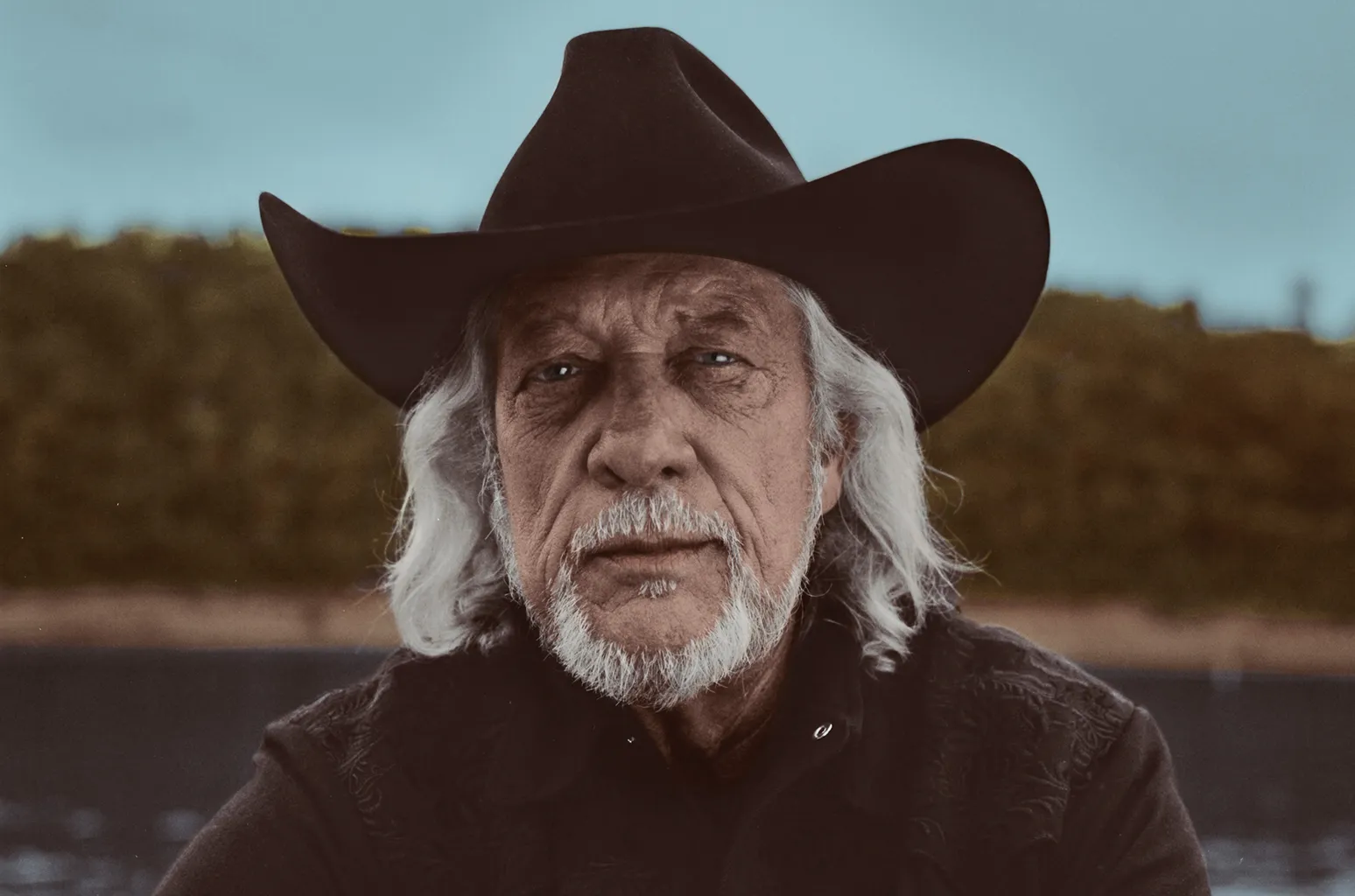
Both country music and the overall sphere of American music lost one of its truly great and unique vocal stylists this past week with the sudden passing of country Hall of Famer, John Anderson. Anderson passed away Wednesday at the age of 71, just three days after appearing at this year’s Hall of Fame induction ceremony in Nashville.
The story of Anderson’s career was one of the most fascinating in country music lore. For those now acquainting themselves with it for the first time, you will find a series of thrilling chapters befitting of an artist with such a rare and special artistic identity. After a string of initial singles in the late 70s, Anderson finally broke through at the dawn of the 1980s, smack-dab in the midst of mainstream country’s Urban Cowboy movement. His unapologetically harsh and burly twang was equally rich and soulful, and immediately cut through the heavy gloss and sugary production dominating the airwaves at the time. As expressive a vocal stylist as any other in recorded history, Anderson could crawl inside any lyric or turn-of-phrase and take it in unusually exciting and emotional directions that no other vocalist could touch. And his staggering body of songs, whether penned by himself or curated from others, were always top-shelf and equally boasting of style and substance. Alongside rising superstars like Ricky Skaggs, George Strait, Reba McEntire and The Judds, his music supplied a dose of fresh, traditional honky-tonk spirit to the scene, while helping lay groundwork for the new-traditionalist movement that ultimately took stronghold during the second half of the decade.
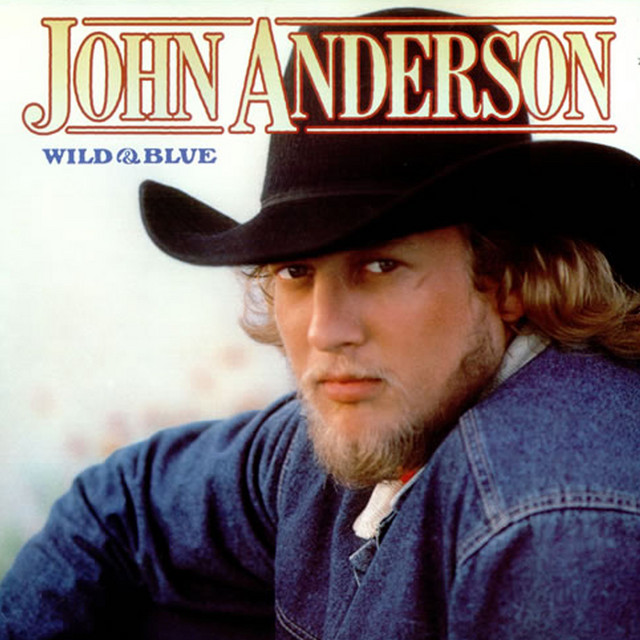
That’s not to say that Anderson was afraid to color outside the lines of traditional country, as iconically demonstrated on his 1983 signature hit, “Swingin'” , which showcased his growling drawl against a backdrop of brassy horns and saucy backing vocals. The song’s runaway success and that of its source album, his fourth, scored Anderson the CMA Single of the Year trophy, as well as honors as the third-ever winner of the Association’s coveted Horizon Award. “Swingin'” proved to be the centerpiece of a run of hits through the 80s that also included classics like “I’m Just An Old Chunk of Coal (But I’m Gonna Be A Diamond Someday)”, “Chicken Truck”, “I Just Came Home to Count the Memories”, “Would You Catch a Falling Star”, “Wild and Blue”, “Black Sheep”, “Down In Tennessee”, and “Honky Tonk Crowd”.
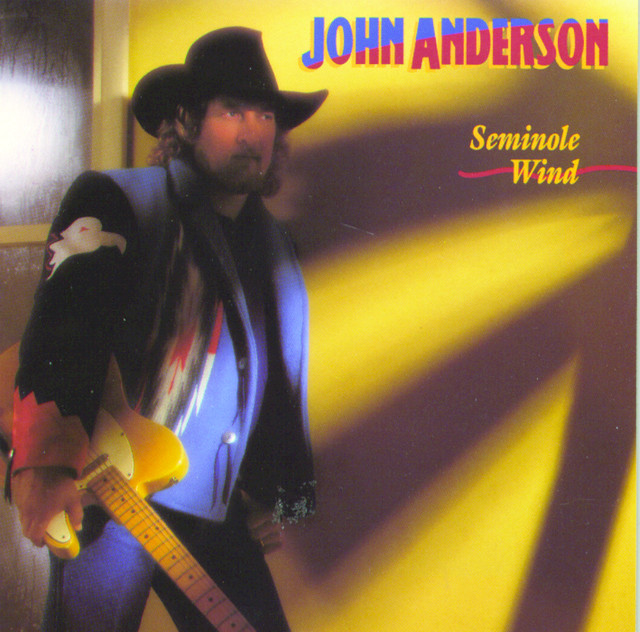
However, despite his help spearheading the neo-traditional wave and the continued success of contemporaries like Strait and McEntire, Anderson found himself hitting a chart drought in the late 80s, displaced by new superstars that he helped open the doors for, such as Randy Travis, Keith Whitley, Dwight Yoakam, Patty Loveless, Alan Jackson, and Clint Black. Nevertheless, Anderson pulled off a sensational comeback and a rare second-act on the A-list after the release of 1992’s Seminole Wind, which conquered the genre with new career staples like the title track and “Straight Tequila Night”. With new producer, James Stroud at the helm, Anderson subtly refreshed his hard country sound with the new contemporary production standards of the 1990s, and suddenly found himself with another hit streak on his hands, just as country music reached its greatest peak of mainstream popularity to date. The 1990s eventually became rightfully regarded as a second golden era for the genre, and Anderson’s unmistakable twang was at the center of it with hits like “Seminole”, “Tequila Night”, “When It Comes To You”, “Let Go of the Stone”, “Money in the Bank”, “I Wish I Could Have Been There”, “Bend It Until It Breaks”, and more.
His mainstream dominance finally waned for the last time in the back-half of the 90s, but Anderson continued to record and carved out a vibrant legacy arc of work over the next quarter-century. All of those records are worth seeking out, but the greatest artistic mark of the twilight of his career arrived with what proved to be its last. Featuring production from The Black Keys’ Dan Auerbach, and a high-profile duet with modern superstar, Blake Shelton, 2020’s Years offered another bounty of classic Anderson performances, and brought renewed interest to his rich catalog. In the years immediately following this record’s release, Anderson was honored with both a 2022 tribute album that unearthed his classics via covers by a new era of stars, and a triumphant well-deserved induction into the Country Music Hall of Fame in 2024.
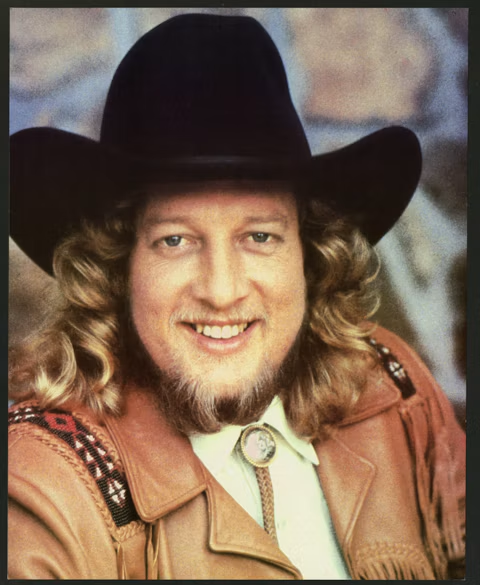
While Anderson’s passing is stunning and far too soon, perhaps the only solace is in the fact that he was able to see his career flowers and industry enshrinement come to fruition while he was still alive and able to enjoy it. Such timely acknowledgement in the music industry is unfortunately rare, and Anderson’s story should serve as positive and vital motivation to not miss such opportunities to honor other legends worthy of such recognition.
Indeed, that Seminole Wind will never blow the same way again, and rest assured, nobody will ever sing a song quite like John Anderson ever again either.
Thanks for the music and memories, John.


Leave a Reply