This Wednesday night marks the sixtieth edition of the Country Music Association Awards. And admittedly, no matter how much the mainstream country scene both evolves and devolves in various ways, and no matter how much my own musical interests and listening habits have changed through the decades, the CMAs are an annual musical event that I still approach with considerable excitement. Now, that may seem like an out-of-touch sentiment, especially in an age where network television events, and awards shows specifically, are certainly on the brink of irrelevancy as a whole. With that said, the CMAs (and the Grammy Awards) still manage to demonstrate the cultural heritage and drawing power needed to be among the final such staples left standing.
For myself, the enduring interest and love for the show doesn’t really lie any longer in the buzz over the actual field of nominees and winners. The crop of country artists and recordings that I gravitate toward the most have seen their moment in the sun at the CMAs pass, save for a few occasional exceptions. And despite terrestrial country radio and the major label system’s own fading cultural relevancy, the CMA’s insistence on using that realm as the primary barometer for their ballot has (mostly) made the actual categories as narrow and uninteresting in scope as ever. With that said, the CMA has always been guilty of treating their winner’s circle more like a political term anyway, with their repetitive choices and certainly record-label politicking having left much variety to be desired for much of its history. If anything, I suppose that has only added further potency and excitement to those rare moments when a new winner triumphs. But, it’s the pure musical moments and memories from CMA ceremonies through the decades that bring me the most nostalgia, not the actual voting results.
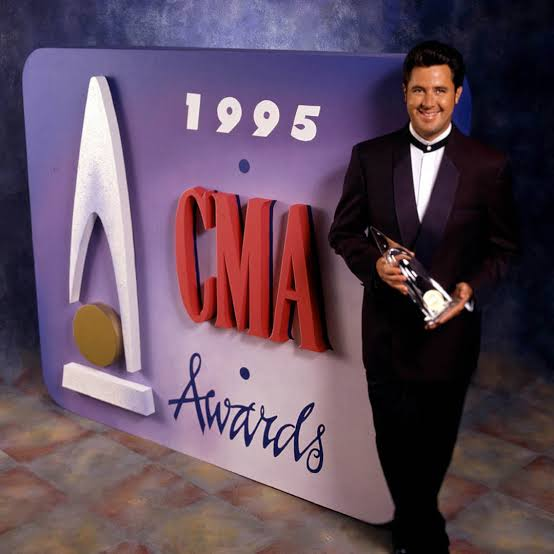
And yes, it’s nostalgia more than anything that keeps me tuned in year after year, decade after decade. For nearly three decades, watching the show with my mom has been a beloved, cozy fall tradition that I cherish, and one of my favorite elements of my musical fandom. This is also why I’ve derived so much joy this fall scouring YouTube and watching each of the previous fifty-nine renditions (with the exception of a few years that are missing) in the lead up to the 60th. There’s simply no denying that this award show archive is a rich, invaluable collection and preservation of history, showcasing so many of the artists, songs, and moments that have helped define American music and culture.
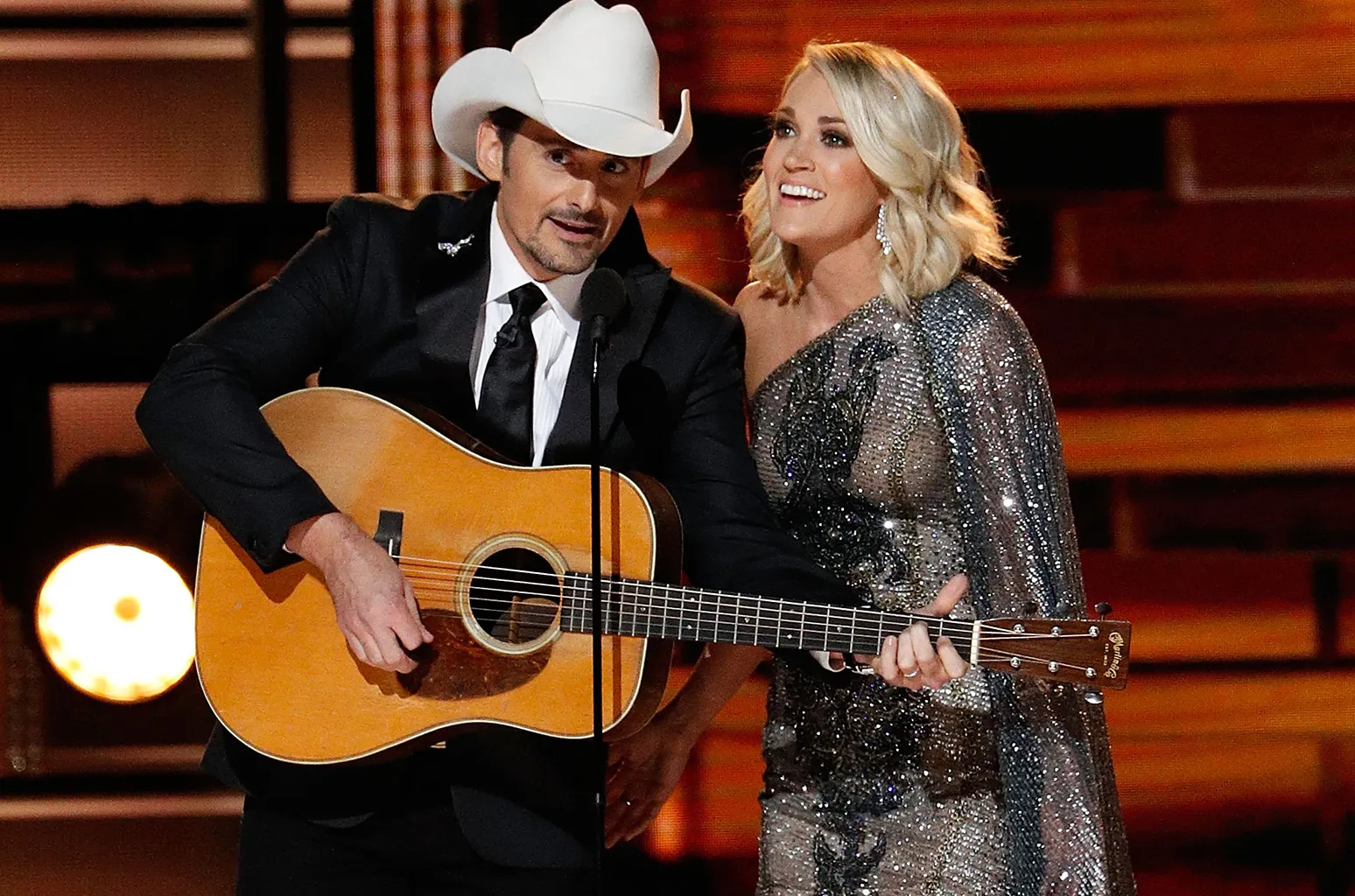
And while the CMA Awards shows of the last ten years have not been completely void of great moments and historical nods (and certainly much more reliable than the preceding decade), we can’t ignore that the show and institution is at a crossroads, and one separate from the aforementioned elements of the splintering monoculture. Naturally, that crossroads is the complicated dilemma that is always the central argument in country music: the balancing act between pursuing progress and growth, while remembering its roots and honoring its past. Since the mid-2000s, much like the music, there have been vast changes to the CMA telecast that have undeniably robbed it of a chunk of its soul, charm, and prestige. This becomes extremely noticeable by watching the show’s evolution in chronological order, with the 2006 switch from the CBS TV network to ABC, and the simultaneous decision to change the show’s venue from the Grand Ole Opry House to the Bridgestone Arena, feeling like the distinct dividing line. (Sidenote: Vince Gill’s vacating of his decade-long run as host a few years prior was also a contributing factor, though Brad Paisley and Carrie Underwood’s magical pairing from 2008-2018 was the show’s savior and delightful beacon during a rough period for the genre.)
The Opry departure, and most prominently the gutting of the Hall of Fame segment, robbed the annual event of considerable heart and magic. These changes were exasperated by the non-televised presenting of secondary categories (which often-times showcased musicians & talents that weren’t heavy-hitters in the main categories), and the replacing of country stars and legends with television stars, athletes and influencers in the role of presenters. Meanwhile, performance slots and even full-blown tributes have been given to pop and rock stars, rather than actual country acts. Now, I’m a lover of all-genres and have a “big-tent” philosophy in terms of what falls under the country music umbrella. I don’t subscribe to a “gate-keeping” mindset in terms of who gets to play the Opry, or collaborate with country artists, and I regard many of the show’s cross-genre moments among the best in its history. But if the genre’s premier showcase cannot find appropriate screen-time for its Hall of Fame honorees and additional core-country musicians, it should not be prioritizing time for those outside the “format” on this night. And if they want to venture outside the strict confines of the mainstream, Nashville realm (which is greatly encouraged), there’s a host of both pure and progressive country artists in the Americana scene that would be worthy of attention. Not to mention continued vital work by past superstars and legacy acts, a great majority of whom have also not yet received one of CMA’s annual tribute segments.
It’s especially striking today to look back and see how masterfully the CMA producers during the contemporary golden age of the 1980s and 1990s were at balancing the past with the future. The sole exception is the show’s infamous inconsistency with their “In Memoriam” efforts. The outcry over the exclusions of recently passed greats like John Prine, Jerry Jeff Walker, and Billy Joe Shaver in 2020, or the glossing over the passing of inaugural Entertainer winner Eddy Arnold in 2008 were not the first such offenses. In 1991 for example, it took special guest and President George H.W. Bush to even acknowledge the tragic death of Dottie West. But overall, the CMA productions in the 80s and 90s represented, like the music itself, a near-flawless era for the show.
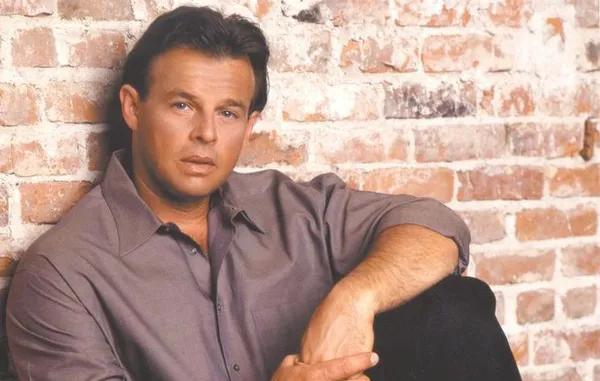
Now, this article is not meant to be a complete derision of the CMA Awards. It’s meant to be a celebration of its milestone this year, but one that’s thoughtfully multi-faceted and cognizant of the tradition’s evolutionary challenges that it must navigate to enjoy another six decades. Cue the Sammy Kershaw PR-nightmare of the last few weeks, an incident that is of course entirely emblematic of the above concerns, and one that cropped up after I initially wrote this piece. The CMA’s decision to initially deny Kershaw (and apparently other legacy country stars) access to the show’s festivities, while reserving space for the aforementioned TV stars, social media personalities, and the like does indeed spit in the face of the show’s heritage, and further highlights its sacrifice of soul in the name of corporate gain. Yes, they ultimately “corrected” the issue, but likely only because the viral attention and threats of viewer & artist boycotts were the only point of discussion in the build to the show. The fact that their explanation included the revelation of the show’s short-sighted and disrespectful “criteria” for artist invitation only enhances this discussion. Frankly, I hope Kershaw is given the opportunity to appear on stage, whether it be with host Lainey Wilson, or by way of the apparently-planned 90s-era tribute segment. It may be the only way to rid the show of the cloud that threatens to but should not overshadow Ella Langley’s potential history-making sweep. Or memorial tributes to Dolly Parton or John Anderson or Richard Sterban. Or Taylor Swift’s return. Or most importantly, the long-awaited CMA moments that so many other artists have worked hard for, dreamt about, and deserve. But if those moments do get overlooked for such controversy, the CMAs will sadly only have themselves to blame.
The reality is that this whole red-carpet “scandal” actually presents a new opportunity for the CMA to build a refreshed, but overdue vision off of the incident. Again, there have been numerous moments over the past decade that show they can still find their way in this regard, from the superb 50th anniversary edition in 2016 and the female-driven line-up of the 2019 ceremony, to surprise, show-stopping returns from contemporary legends like Patty Loveless in 2022. Those were moments that made me feel like I was watching the CMA Awards of the bygone past. I’ve compiled a “CMA-diary” of sorts below, referencing 100 recommended musical moments. This was, of course, really intended for the benefit of those readers who have made it this far in my essay today. But perhaps the CMA producers should revisit (or discover) these moments themselves. They’d provide some additional, much-needed schooling and inspiration in crafting another half-century-plus of great award show memories.
100 Recommended Classic CMA Performances
To aid in narrowing down a beautifully exhaustive vault of source material, I generally limited this list’s criteria to 1 appearance by a lead artist, with collaborative performances allowing some wiggle room. Which is to suggest that, even at 100 selections, this is just a starting point for what’s available in the show’s canon. This certainly won’t be the final time we spotlight classic performances, and other memorable moments, from the CMA lexicon. Here’s also hoping that the 2026 show has a few new additions in store as well!
I’m also happy to say that all of these gems are currently available to find online. Enjoy this trip through music history!
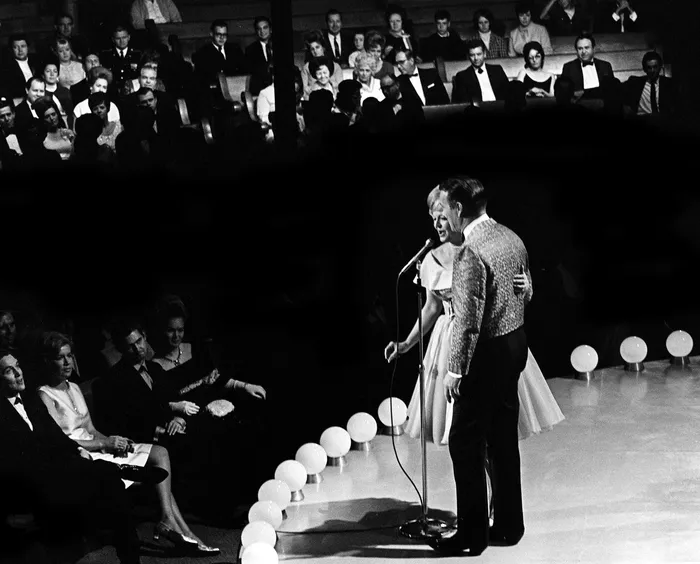
Roy Rogers & Dale Evans- “Country Classic Medley”, 1968
Johnny Cash- “Folsom Prison Blues”, 1968
Jeannie C. Riley- “Harper Valley PTA, 1968
Tammy Wynette- “D-I-V-O-R-C-E”, 1968
Roy Clark– “Instrumental Medley”, 1970
Marty Robbins– “My Woman, My Woman, My Wife”, 1970
Jerry Reed– “When You’re Hot, You’re Hot”, 1971
Earl Scruggs Revue– “Foggy Mountain Breakdown”, 1971
Bill Monroe & His Bluegrass Boys– “Blue Moon of Kentucky”, 1971
Loretta Lynn, Dolly Parton, Tammy Wynette, Dottie West & Lynn Anderson– “Country Girl Medley”, 1972
Chet Atkins with Charlie McCoy- “Instrumental Medley”, 1973
Eddy Arnold- “Make the World Go Away”
Freddy Fender- “Before the Next Teardrop Falls”, 1975
Glen Campbell- “Rhinestone Cowboy”, 1975
Mickey Gilley, Gary Stewart & Ronnie Milsap- “Dueling Piano Medly”, 1975
Willie Nelson- “Blue Eyes Crying in the Rain”, 1975
Crystal Gayle- “Talking In Your Sleep”, 1978
Emmylou Harris- “To Daddy”, 1978
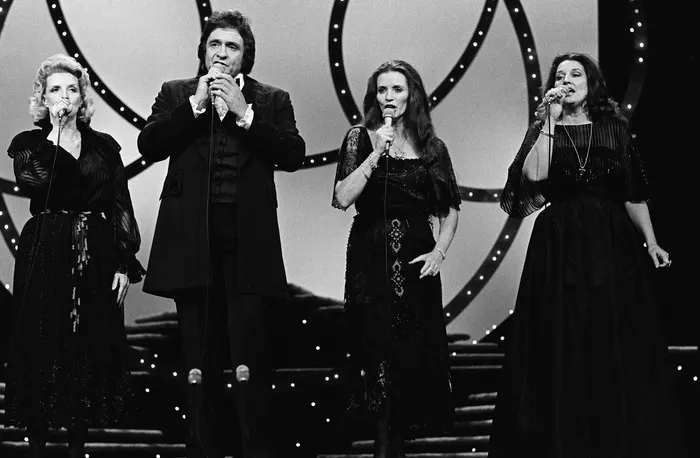
Johnny Cash, June Carter Cash & The Carter Family- “Will the Circle Be Unbroken”, 1978
Charley Pride- “Honky Tonk Blues”, 1980
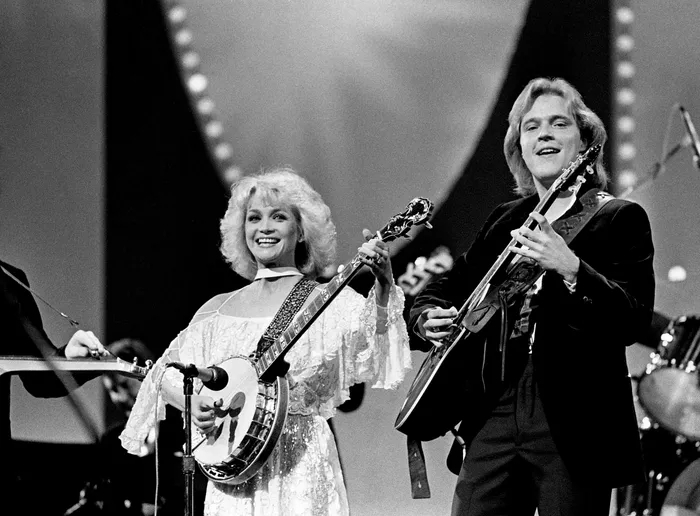
Barbara Mandrell- “Instrumental Showcase”, 1980
Mac Davis- “Texas In My Rearview Mirror”, 1980
Alabama- “Mountain Music”, 1982
Ricky Skaggs & Rosanne Cash- “One Way Rider”, 1982
Lacy J. Dalton- “16th Avenue”, 1982
Merle Haggard- “That’s the Way Love Goes”, 1983
Kenny Rogers & Dolly Parton- “Islands in the Stream”, 1983
Anne Murray- “A Little Good News”, 1983
Ray Charles & Friends- “Friendship Medley”, 1984
The Highwaymen- “Highwayman”, 1985
The Judds- “Rockin’ with the Rhythm of the Rain”, 1986
Conway Twitty & Loretta Lynn- “Louisiana Woman, Mississippi Man”, 1986
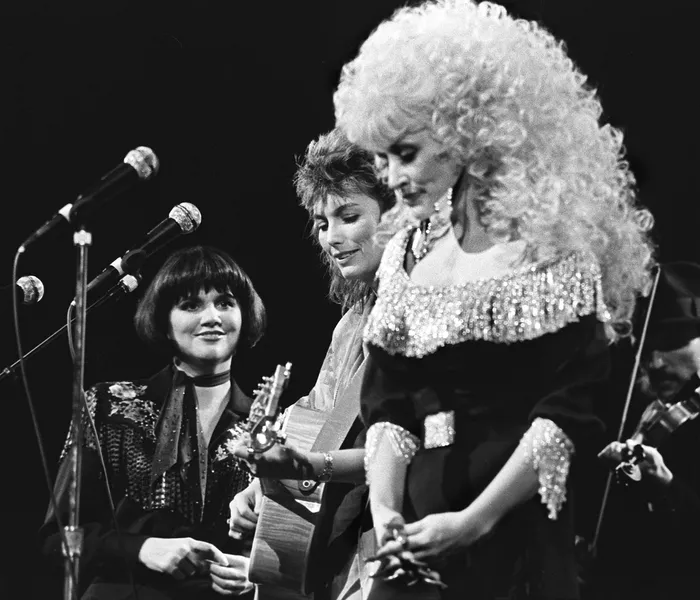
Emmylou Harris, Dolly Parton & Linda Ronstadt- “My Dear Companion”, 1986
Randy Travis- “Forever and Ever, Amen”, 1987
George Strait- “All My Exes Live In Texas”, 1987
Hank Williams Jr. & Friends- “Young Country”, 1987
KD Lang with Kitty Wells, Loretta Lynn & Brenda Lee- “Honky Tonk Angels Medley”, 1988
KT Oslin- “Hold Me”, 1988
Nitty Gritty Dirt Band & Friends- “Will the Circle Be Unbroken”, 1989
Rodney Crowell with Chet Atkins- “After All This Time”, 1989
Clint Black- “Killin’ Time”, 1989
Dolly Parton- “He’s Alive”, 1989
Mary Chapin Carpenter- “Opening Act”, 1990
Garth Brooks- “Friends In Low Places”, 1990
Vince Gill with Patty Loveless- “When I Call Your Name”, 1990
Kathy Mattea- “Time Passes By”, 1990
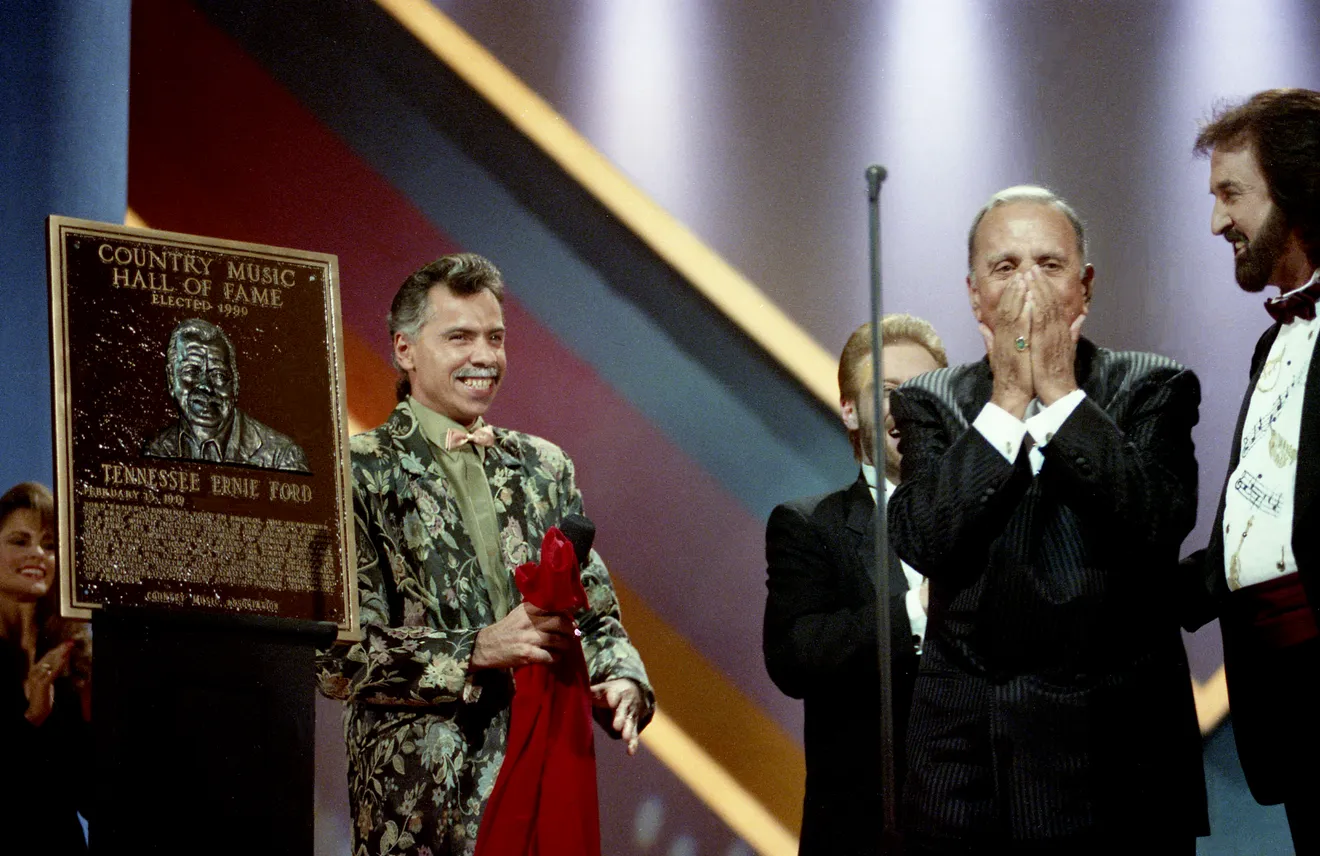
Oak Ridge Boys- “Sixteen Tons”- Tennessee Ernie Ford Hall of Fame Induction, 1990
Mark O’Connor & the Nashville Cats- “Restless”, 1991
Reba McEntire- “The Greatest Man I Never Knew”, 1992
Wynonna- “Is It Over Yet”, 1993
Pam Tillis- “Till All the Lonely’s Gone”, 1993
George Jones- “Hello Darlin'” (Tribute to Conway Twitty), 1993
Martina McBride- “Independence Day”, 1994
Dwight Yoakam- “Nothing”, 1995
The Mavericks- “Here Comes the Rain”, 1995
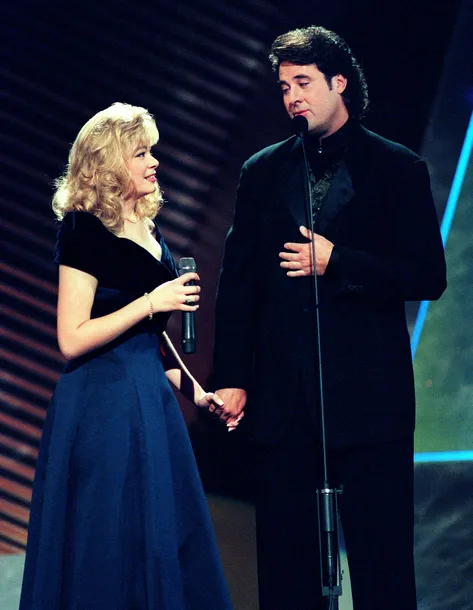
LeAnn Rimes- “Blue”, 1996
Trisha Yearwood- “How Do I Live”, 1997
Patty Loveless & George Jones- “You Don’t Seem to Miss Me”, 1997
Matraca Berg- “Back When We Were Beautiful”, 1997
Toby Keith- “How Do You Like Me Now”, 2000
Sara Evans- “Born to Fly”, 2001
The Chicks- “Travelin’ Soldier”, 2001
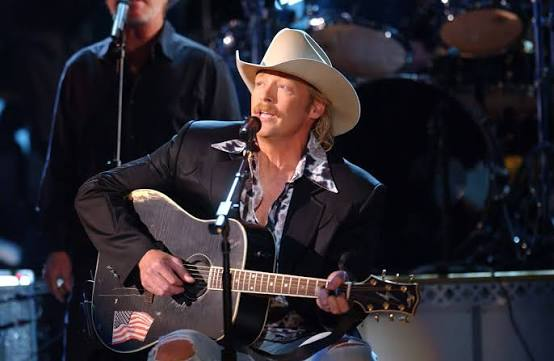
Alan Jackson- “Where Were You When the World Stopped Turning”, 2001
Lee Ann Womack- “Does My Ring Burn Your Finger”, 2001
Dan Tyminski, Alison Krauss, Jerry Douglas, Ron Block, Barry Bales, Vince Gill & Pat Enright– “I Am A Man of Constant Sorrow”, 2001
Shania Twain- “I’m Gonna Getcha Good”, 2002
Faith Hill- “When the Lights Go Down”, 2002
Alison Krauss & Union Station- “The Lucky One”, 2002
Brooks & Dunn with Kim Richey- “Every River”, 2002
Travis Tritt- “You Can’t Count Me Out Yet” (Waylon Jennings Tribute), 2002
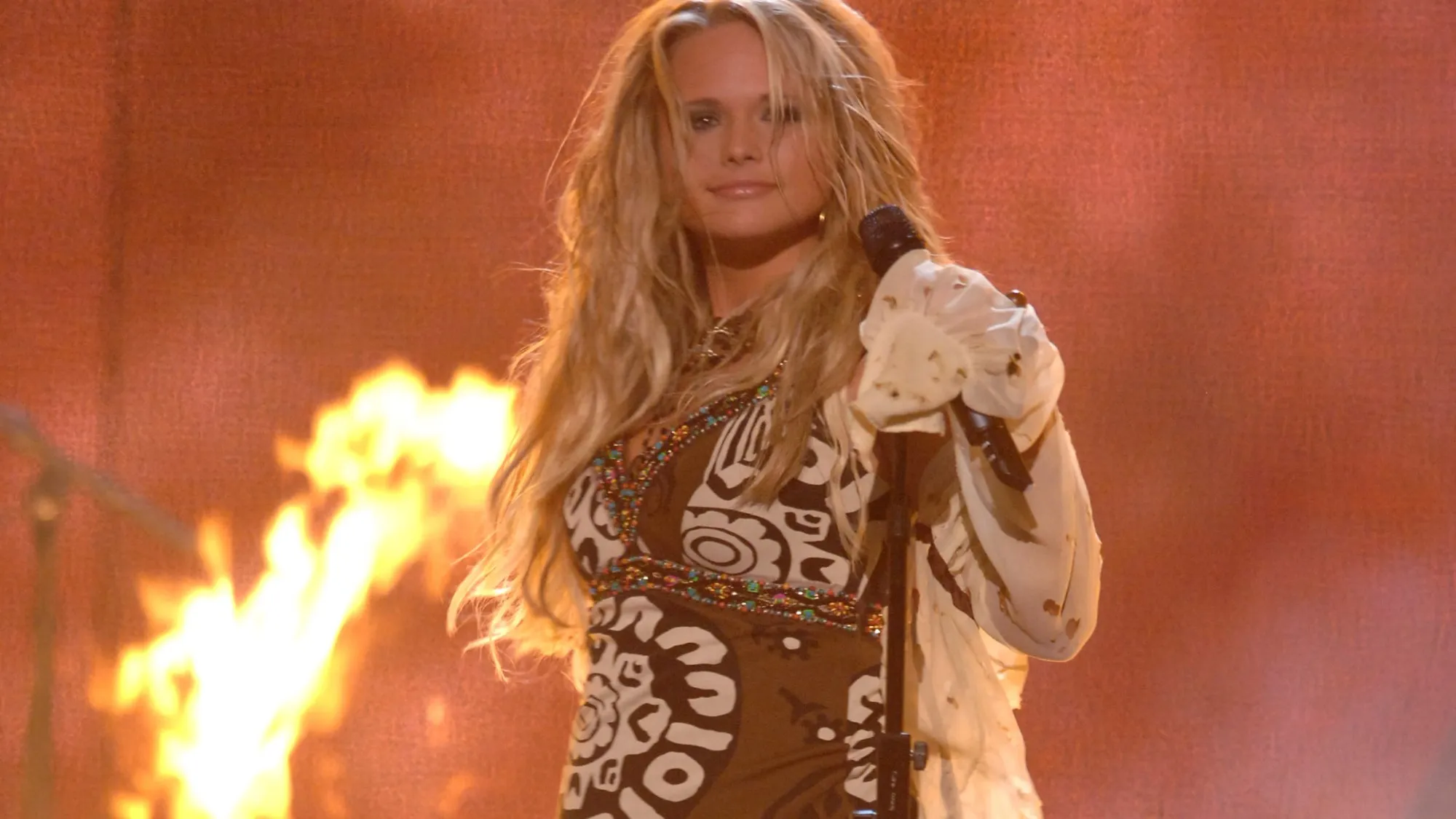
Tim McGraw- “Red Ragtop”, 2003
Dolly Parton & Norah Jones- “The Grass Is Blue”, 2003
Brad Paisley & Alison Krauss- “Whiskey Lullaby”, 2004
Gretchen Wilson- “When I Think About Cheatin'”, 2004
Miranda Lambert- “Kerosene”, 2005
The Eagles- “How Long”, 2007
Sugarland- “Stay”, 2007
Keith Urban- “Til Summer Comes Around”, 2009
Lady A- “Need You Now”, 2009
Dierks Bentley- “Up on the Ridge”, 2010
Zac Brown Band & Gregg Allman- “Georgia On My Mind”, 2011
Kenny Chesney & Grace Potter- “You and Tequila”, 2011
Carrie Underwood- “Blown Away”, 2012
Taylor Swift with Vince Gill, Alison Krauss, Edgar Meyer & Eric Darken- “Red”, 2013
The Band Perry- “Gentle on My Mind”, 2014
Little Big Town- “Girl Crush”, 2015
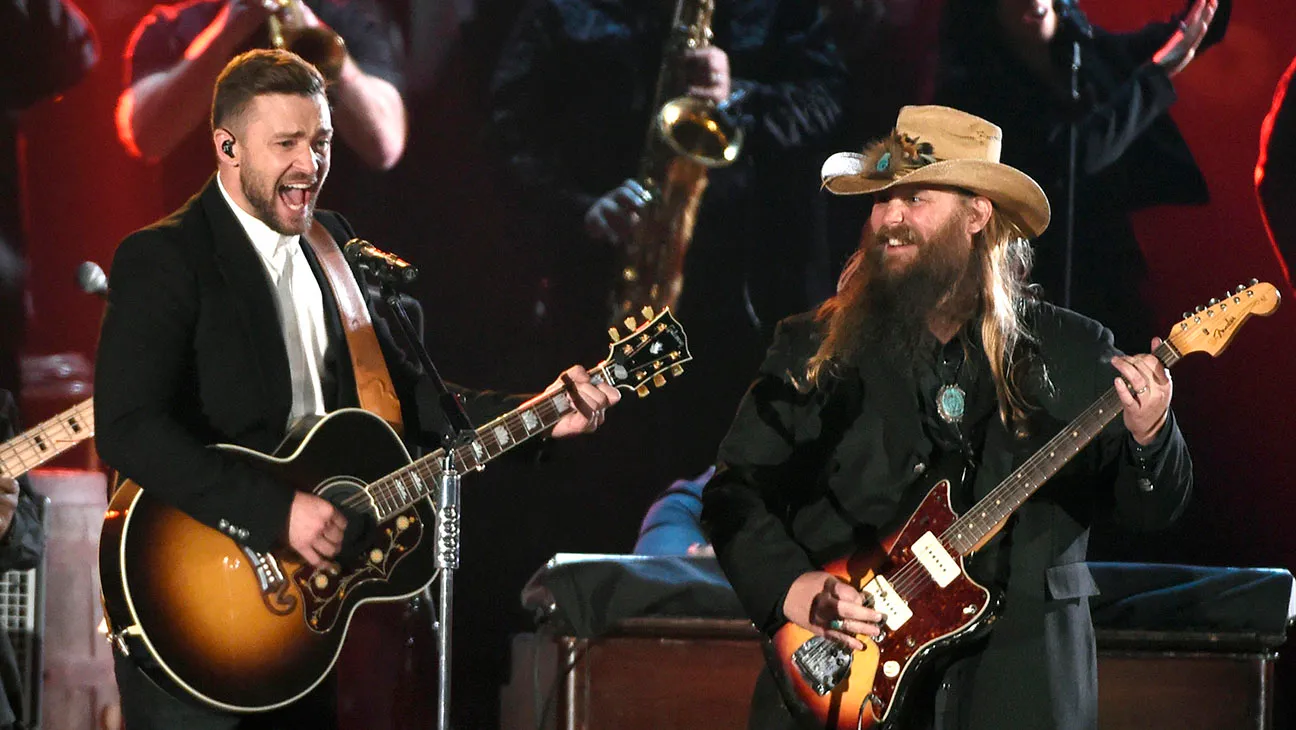
Chris Stapleton & Justin Timberlake- “Tennessee Whiskey”, 2015
Various Artists- “50th Anniversary Celebration”, 2016
Maren Morris with The McCrary Sisters- “My Church”, 2016
Beyonce & The Chicks- “Daddy Lessons”, 2016
Eric Church & Rhiannon Giddens- “Kill A Word”, 2016
Various Artists- “Women of Country Celebration”, 2019
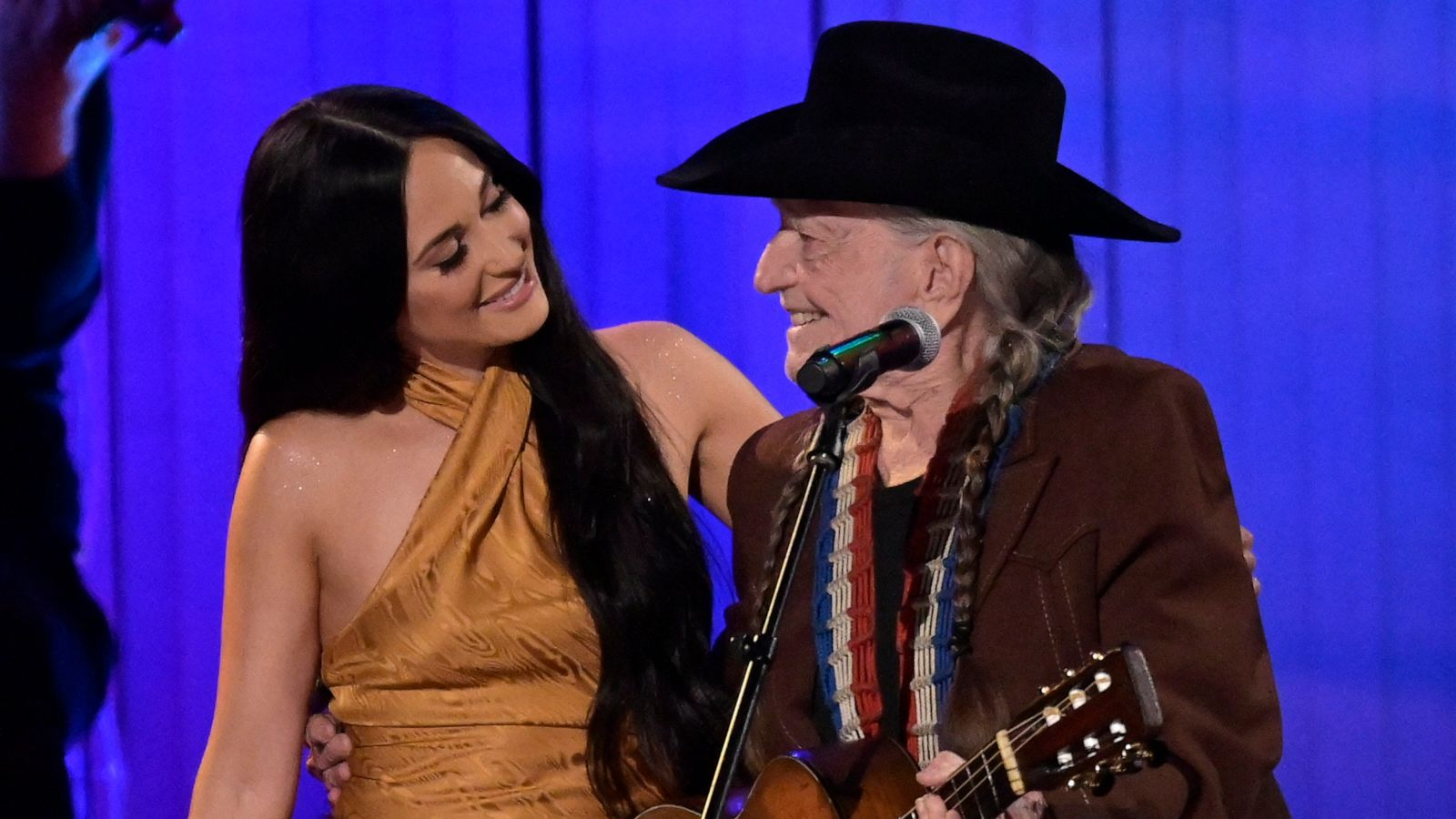
Kacey Musgraves & Willie Nelson- “Rainbow Connection/Rainbow”, 2019
Brothers Osborne- “Younger Me”, 2021
Carly Pearce with Ricky Skaggs, Sonya Isaacs & Jenee Fleenor- “Dear Miss Loretta”, 2022
Chris Stapleton, Patty Loveless, Morgane Stapleton & Darrell Scott- “You’ll Never Leave Harland Alive”, 2022
Ashley McBryde- “Light On in the Kitchen”, 2023
Ella Langley & Riley Green- “You Look Like You Love Me”, 2024
Red Clay Strays- “People Hatin'”, 2025
Stephen Wilson Jr.- “Stand By Me”, 2025


Leave a Reply